Jennifer Richler is a freelance science writer based in Bloomington, Indiana, who holds a Ph.D. in clinical psychology.

Jennifer Richler
Science Writer
Freelance
From this contributor

Questions for Ari Ne’eman: Partnering with participants
Autistic adults should be partners in the research process, not just ‘subjects’ in a study, says Ari Ne’eman.
Questions for Ari Ne’eman: Partnering with participants
By
Jennifer Richler
16 June 2015 | 5 min read
Funding agency revamps strategy for mental health research
The National Institute of Mental Health is overhauling its funding strategy to emphasize the translation of advances in genomics and information technology into therapies.
Funding agency revamps strategy for mental health research
By
Jennifer Richler
17 April 2015 | 2 min read
How to build a better scientist
Budding scientists need career guidance from faculty mentors, not just technical handholding by graduate students, suggests a comprehensive review.
When researchers share data, everyone wins
Imagine a world in which researchers reveal all their clinical trial data, allowing their peers to do their own analyses and confirm the findings. A new report by the Institute of Medicine outlines ways to make this scenario a reality.
When researchers share data, everyone wins
By
Jennifer Richler
13 February 2015 | 3 min read
Lingering gaps permeate public perception of science
When it comes to research, scientists and the public are often at odds. It’s a long-standing problem, but the results of a survey released last week reveal that in particular areas, this opinion gap has grown.
Lingering gaps permeate public perception of science
By
Jennifer Richler
6 February 2015 | 3 min read
Explore more from The Transmitter
Acetaminophen effects on developing brain organoids; and more
Here is a roundup of autism-related news and research spotted around the web for the week of 12 October.
Acetaminophen effects on developing brain organoids; and more
Here is a roundup of autism-related news and research spotted around the web for the week of 12 October.
By
Jill Adams
13 October 2026 | 1 min read

Private initiative makes ‘historic’ investment in autism research
Aligning Research to Impact Autism has committed more than $450 million to build a new multidisciplinary research network to uncover the roots of profound autism and develop treatments.
Private initiative makes ‘historic’ investment in autism research
Aligning Research to Impact Autism has committed more than $450 million to build a new multidisciplinary research network to uncover the roots of profound autism and develop treatments.
By
Madeline Shaw
13 October 2026 | 4 min read
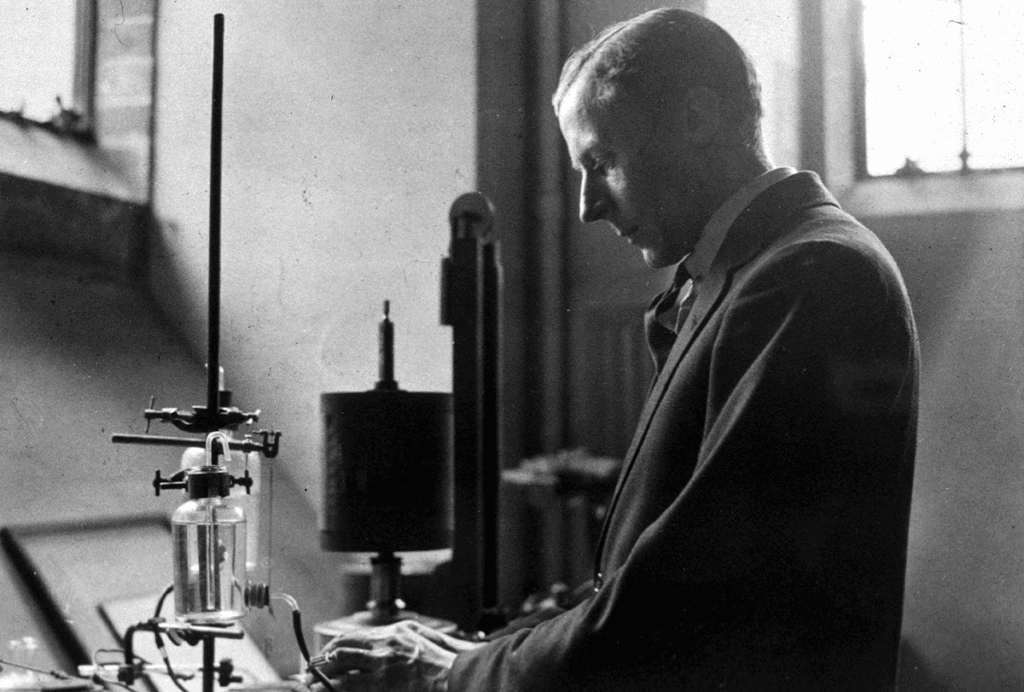
The neural code at 100
In two 1926 articles, Edgar Douglas Adrian revealed that neurons communicate through trains of spikes.
The neural code at 100
In two 1926 articles, Edgar Douglas Adrian revealed that neurons communicate through trains of spikes.
By
Matteo Carandini
12 October 2026 | 8 min read