Books
Recent articles
Susana Carmona on the neurobiology of pregnancy
In a Q&A about her new book, “A Mother’s Brain,” Carmona shares key moments in her career that led her to study the neuroscience of motherhood and discusses some of the major questions the field still needs to address.
Susana Carmona on the neurobiology of pregnancy
In a Q&A about her new book, “A Mother’s Brain,” Carmona shares key moments in her career that led her to study the neuroscience of motherhood and discusses some of the major questions the field still needs to address.
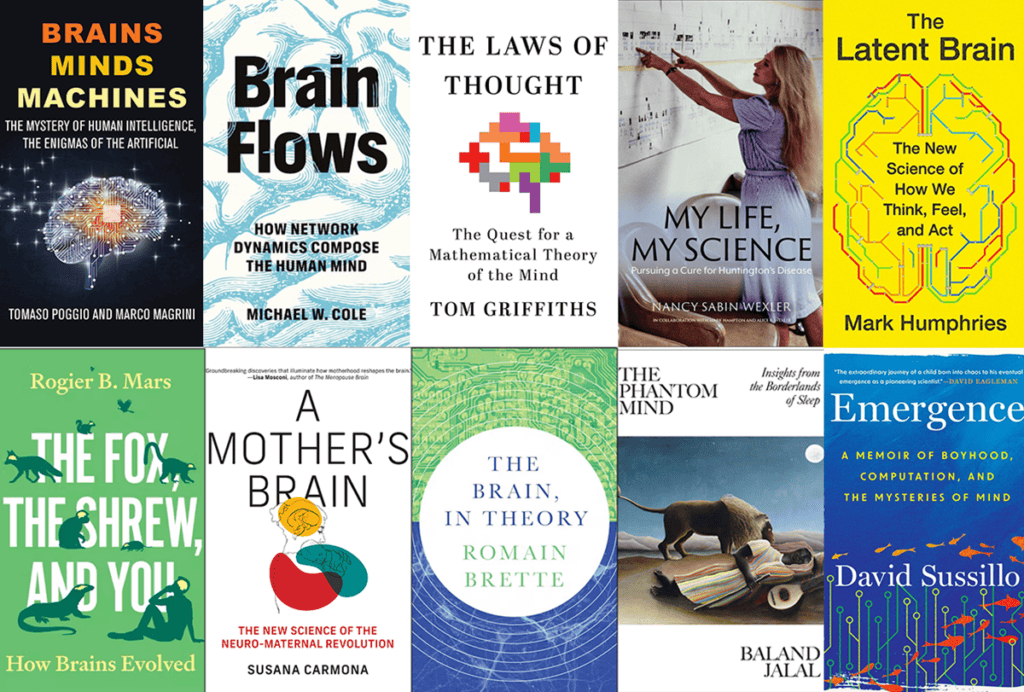
Five new neuroscience books, and other notable titles from 2026
The Transmitter’s summer reading list includes an autopsy of the Human Brain Project, an overview of the neuroscience of motherhood and a memoir from a pioneer in Huntington’s disease research.
Five new neuroscience books, and other notable titles from 2026
The Transmitter’s summer reading list includes an autopsy of the Human Brain Project, an overview of the neuroscience of motherhood and a memoir from a pioneer in Huntington’s disease research.
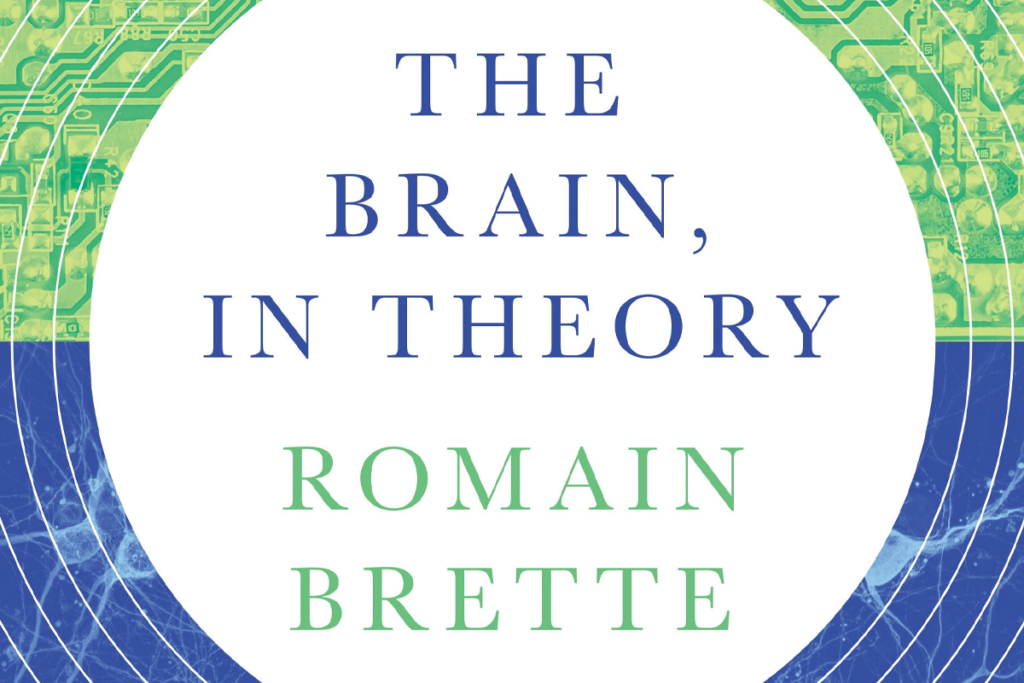
‘The Brain, In Theory,’ an excerpt
In his new book, Brette pushes back against theories that describe the brain as a “biological computer.” In this excerpt from Chapter 4, he challenges equating brain evolution with programming, and the universality of neural network models.
‘The Brain, In Theory,’ an excerpt
In his new book, Brette pushes back against theories that describe the brain as a “biological computer.” In this excerpt from Chapter 4, he challenges equating brain evolution with programming, and the universality of neural network models.
David Sussillo on persistence, luck and the bonds between life and work
In a Q&A about his new book, “Emergence,” Sussillo shares why he wrote it and how challenging circumstances shaped his journey into neuroscience.
David Sussillo on persistence, luck and the bonds between life and work
In a Q&A about his new book, “Emergence,” Sussillo shares why he wrote it and how challenging circumstances shaped his journey into neuroscience.
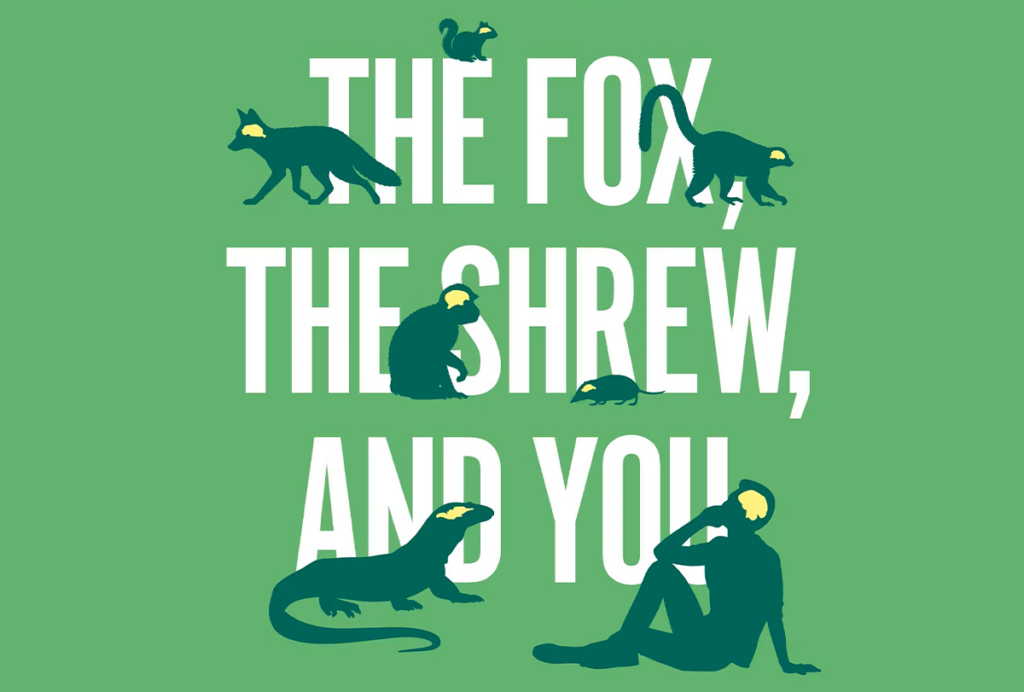
‘The Fox, the Shrew, and You: How Brains Evolved,’ an excerpt
In his new book, Rogier Mars provides a detailed account of animal and human brain evolution. In this excerpt from Chapter 1, he starts with the sea squirt—and why it needs the brain it eats after its larval stage.
‘The Fox, the Shrew, and You: How Brains Evolved,’ an excerpt
In his new book, Rogier Mars provides a detailed account of animal and human brain evolution. In this excerpt from Chapter 1, he starts with the sea squirt—and why it needs the brain it eats after its larval stage.

The Transmitter’s most-read neuroscience book excerpts of 2025
Books by Nachum Ulanovsky, Nicole Rust, and Andrew Iwaniuk and Georg Striedter made the list of some of the year's most engaging neuroscience titles.
The Transmitter’s most-read neuroscience book excerpts of 2025
Books by Nachum Ulanovsky, Nicole Rust, and Andrew Iwaniuk and Georg Striedter made the list of some of the year's most engaging neuroscience titles.
‘Wired for Words: The Neural Architecture of Language,’ an excerpt
In his new book, Hickok provides a detailed overview of the research into the circuits that control speech and language. In this excerpt from Chapter 5, he shares how meeting his colleague David Poeppel led to them developing the theory for bilateral speech perception.
‘Wired for Words: The Neural Architecture of Language,’ an excerpt
In his new book, Hickok provides a detailed overview of the research into the circuits that control speech and language. In this excerpt from Chapter 5, he shares how meeting his colleague David Poeppel led to them developing the theory for bilateral speech perception.
‘Neuroethics: The Implications of Mapping and Changing the Brain,’ an excerpt
In his new book, published today, philosopher Walter Glannon examines the ethics of six areas of neuroscience. In Chapter 4, a portion of which appears below, he tackles the ethical considerations of using brain organoids in research.
‘Neuroethics: The Implications of Mapping and Changing the Brain,’ an excerpt
In his new book, published today, philosopher Walter Glannon examines the ethics of six areas of neuroscience. In Chapter 4, a portion of which appears below, he tackles the ethical considerations of using brain organoids in research.
‘How to Change a Memory: One Neuroscientist’s Quest to Alter the Past,’ an excerpt
Part scientific exploration, part memoir, Steve Ramirez’s new book delves into the study of memory manipulation and his personal journey of discovery, friendship and grief.
‘How to Change a Memory: One Neuroscientist’s Quest to Alter the Past,’ an excerpt
Part scientific exploration, part memoir, Steve Ramirez’s new book delves into the study of memory manipulation and his personal journey of discovery, friendship and grief.
‘What Is Intelligence?’: An excerpt
In his new book, published today, Blaise Agüera y Arcas examines the fundamental aspects of intelligence in biological and artificial systems. In this excerpt from Chapter 4, he examines temporal difference, a reinforcement learning algorithm.
‘What Is Intelligence?’: An excerpt
In his new book, published today, Blaise Agüera y Arcas examines the fundamental aspects of intelligence in biological and artificial systems. In this excerpt from Chapter 4, he examines temporal difference, a reinforcement learning algorithm.
Explore more from The Transmitter
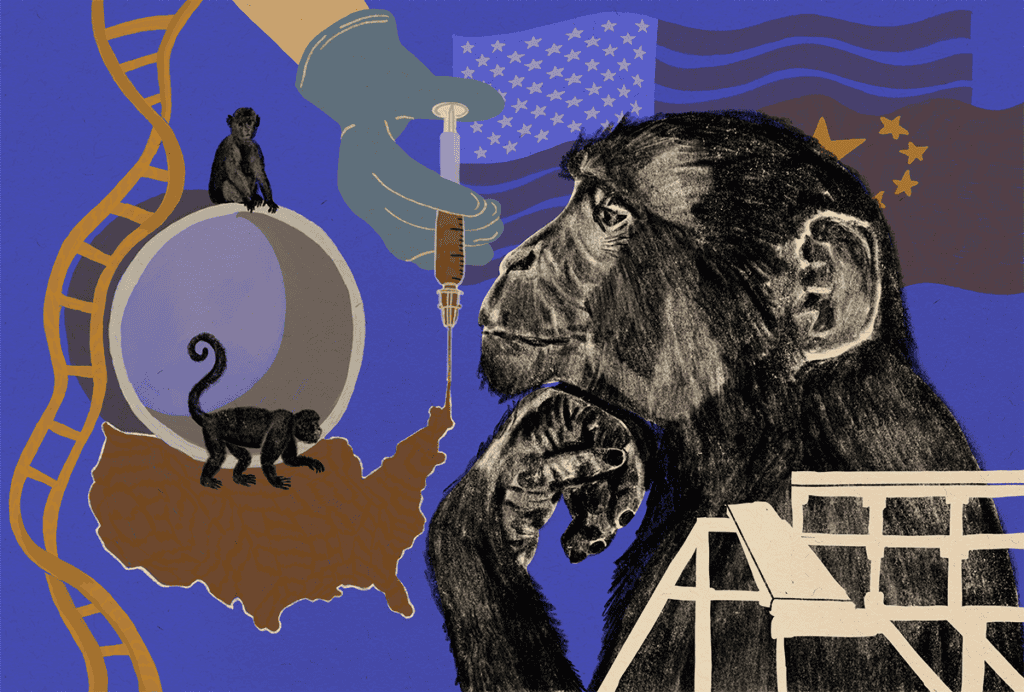
U.S. national primate research centers face an uncertain future
The facilities were meant to last 100 years. Four decades shy of that mark, amid flatlined funds and mounting political pressure, their directors are trying to find a path forward.
U.S. national primate research centers face an uncertain future
The facilities were meant to last 100 years. Four decades shy of that mark, amid flatlined funds and mounting political pressure, their directors are trying to find a path forward.
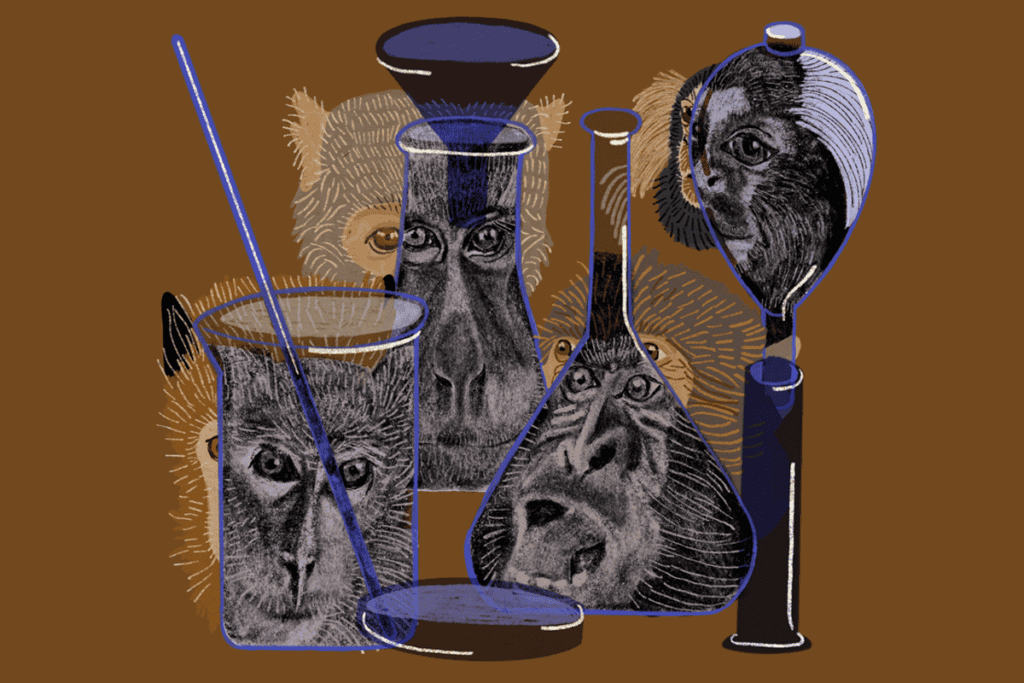
What if nonhuman primate research goes away?
As the U.S. government takes steps to stop using nonhuman primates in research, The Transmitter investigates what that shift could mean for neuroscience.
What if nonhuman primate research goes away?
As the U.S. government takes steps to stop using nonhuman primates in research, The Transmitter investigates what that shift could mean for neuroscience.
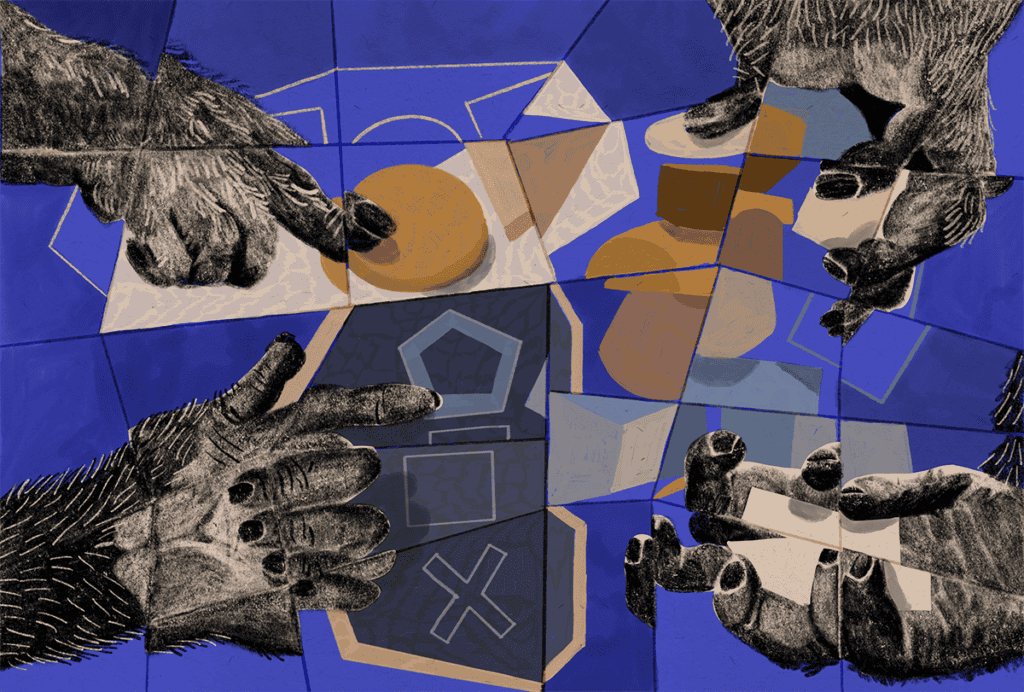
The neuroscience questions that need nonhuman primates
The Transmitter asked 17 neuroscientists what questions might remain unanswered if support for nonhuman primate research continues to decline.
The neuroscience questions that need nonhuman primates
The Transmitter asked 17 neuroscientists what questions might remain unanswered if support for nonhuman primate research continues to decline.