Maris Fessenden is a freelance journalist and illustrator based in Bozeman, Montana. They report and write about scientific methods, genetics, health, wildlife and ecology, and the intersection of science and art.
Maris Fessenden
Contributing writer
Freelance
From this contributor
Lightweight system captures brain activity while mice jump
A thin “micro-tether” and rotating connector facilitate uninterrupted, hours-long neural population recordings as the animals freely explore their environment.
Lightweight system captures brain activity while mice jump
By
Maris Fessenden
26 September 2023 | 0 min watch
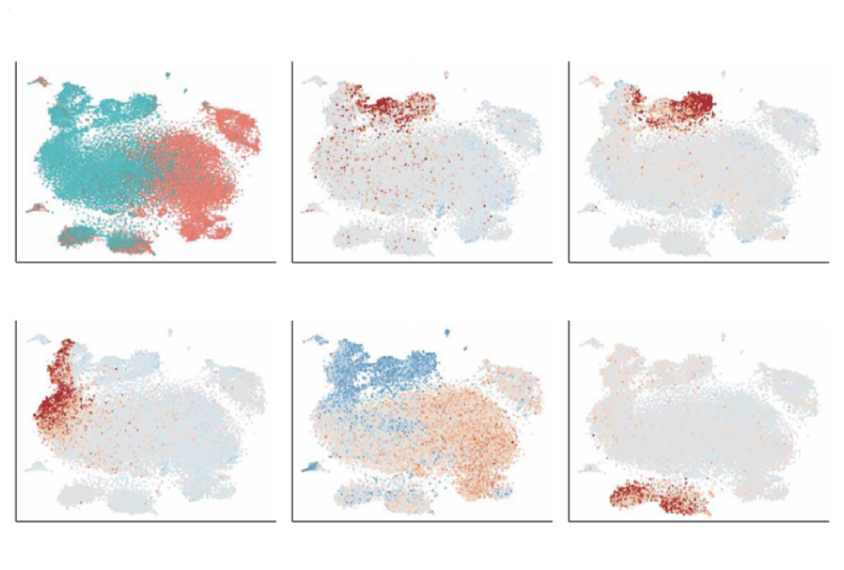
Atlas of developing brain reveals rainbow of cell types
An online resource reveals all major cell types in the developing human brain during the period in which autism is thought to arise.
Atlas of developing brain reveals rainbow of cell types
By
Maris Fessenden
20 September 2019 | 2 min read
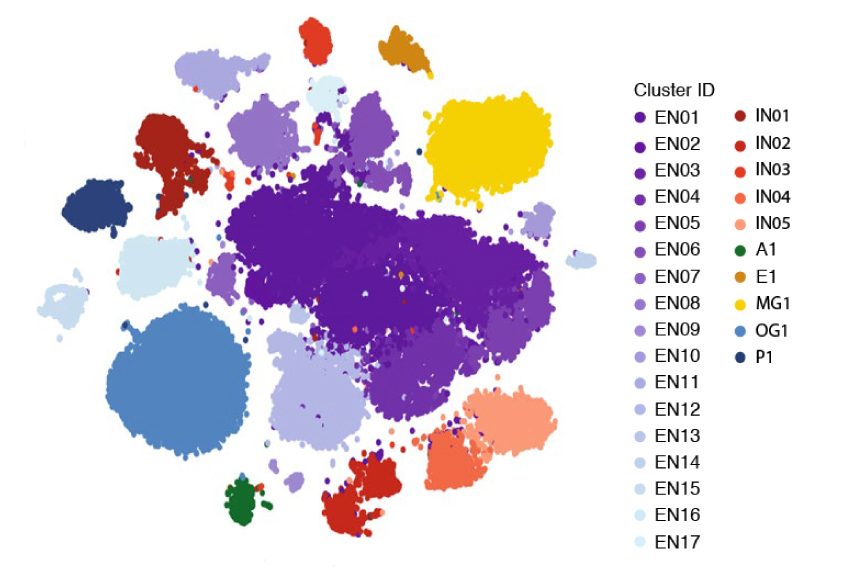
New method dramatically scales up mapping of active genes in cells
A new technique enables scientists to isolate, and chart gene expression in, tens of thousands of cells at once.
New method dramatically scales up mapping of active genes in cells
By
Maris Fessenden
23 August 2019 | 2 min read
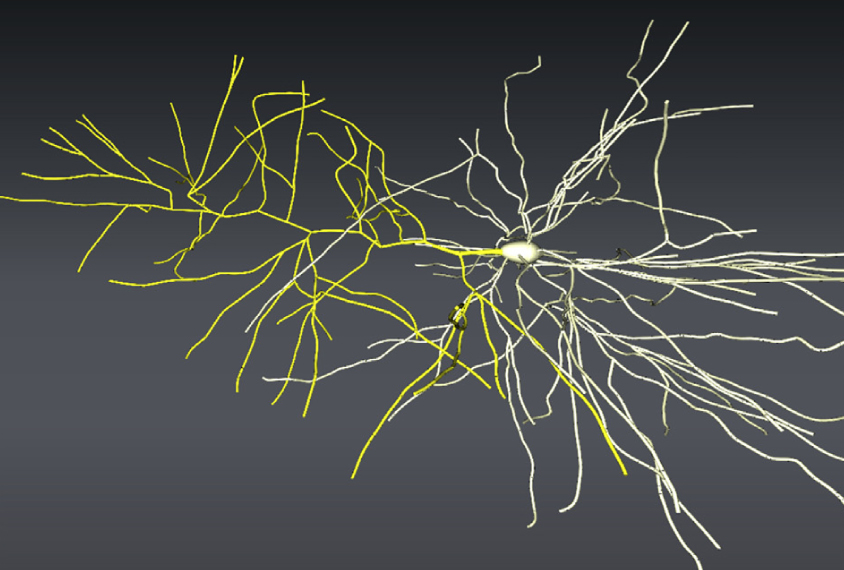
Online platform offers one-stop shop for studying brain circuits
A browser-based platform simulates functional neuronal circuits in the brain regions of several species.
Online platform offers one-stop shop for studying brain circuits
By
Maris Fessenden
2 August 2019 | 2 min read
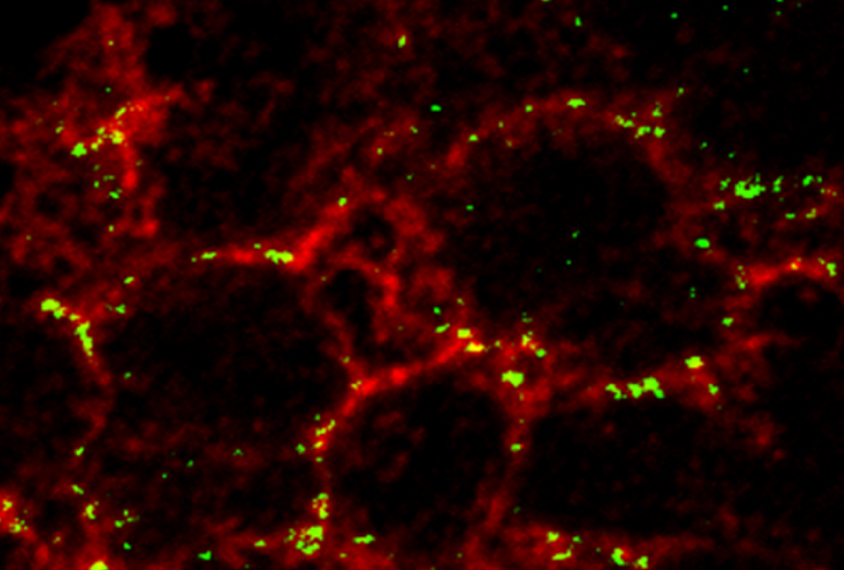
Database, lab tricks may crack secrets of the synapse
Two new resources may aid the study of synapses, the junctions between neurons.
Database, lab tricks may crack secrets of the synapse
By
Maris Fessenden
19 July 2019 | 2 min read
Explore more from The Transmitter
Prevalence of profound autism declines with new definition
The updated, more precise definition used in a CDC study includes adaptive scores.
Prevalence of profound autism declines with new definition
The updated, more precise definition used in a CDC study includes adaptive scores.
By
Brianna Abbott
22 October 2026 | 5 min read
Is it time for neuroscience to shift its focus from a computational mind to a navigating mind?
Andrea Hiott explains her navigational approach to the mind, and why now is the time to embrace seemingly paradoxical findings in neuroscience.
Is it time for neuroscience to shift its focus from a computational mind to a navigating mind?
Andrea Hiott explains her navigational approach to the mind, and why now is the time to embrace seemingly paradoxical findings in neuroscience.
By
Paul Middlebrooks
21 October 2026 | 1 min read
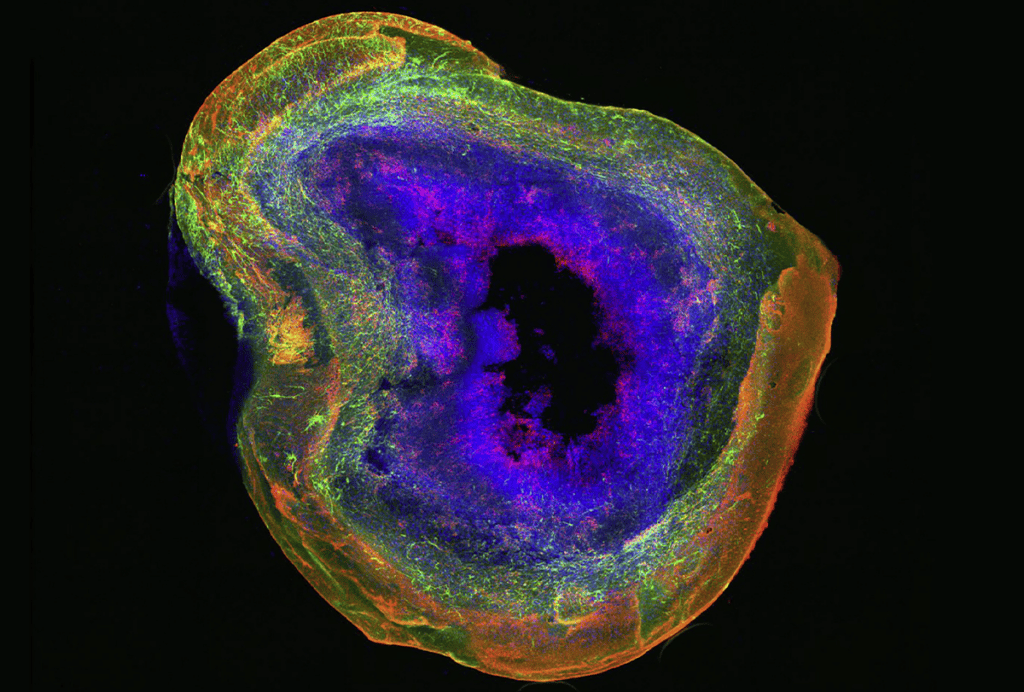
Human brain organoids come of age—but still have room to grow
The U.S. government has touted organoids as an alternative to animals for studying the brain. The model has improved since its debut in 2013, but scientists are still working to overcome key limitations: immaturity, consistency and the lack of vascularization.
Human brain organoids come of age—but still have room to grow
The U.S. government has touted organoids as an alternative to animals for studying the brain. The model has improved since its debut in 2013, but scientists are still working to overcome key limitations: immaturity, consistency and the lack of vascularization.
By
Claudia López Lloreda
21 October 2026 | 9 min read