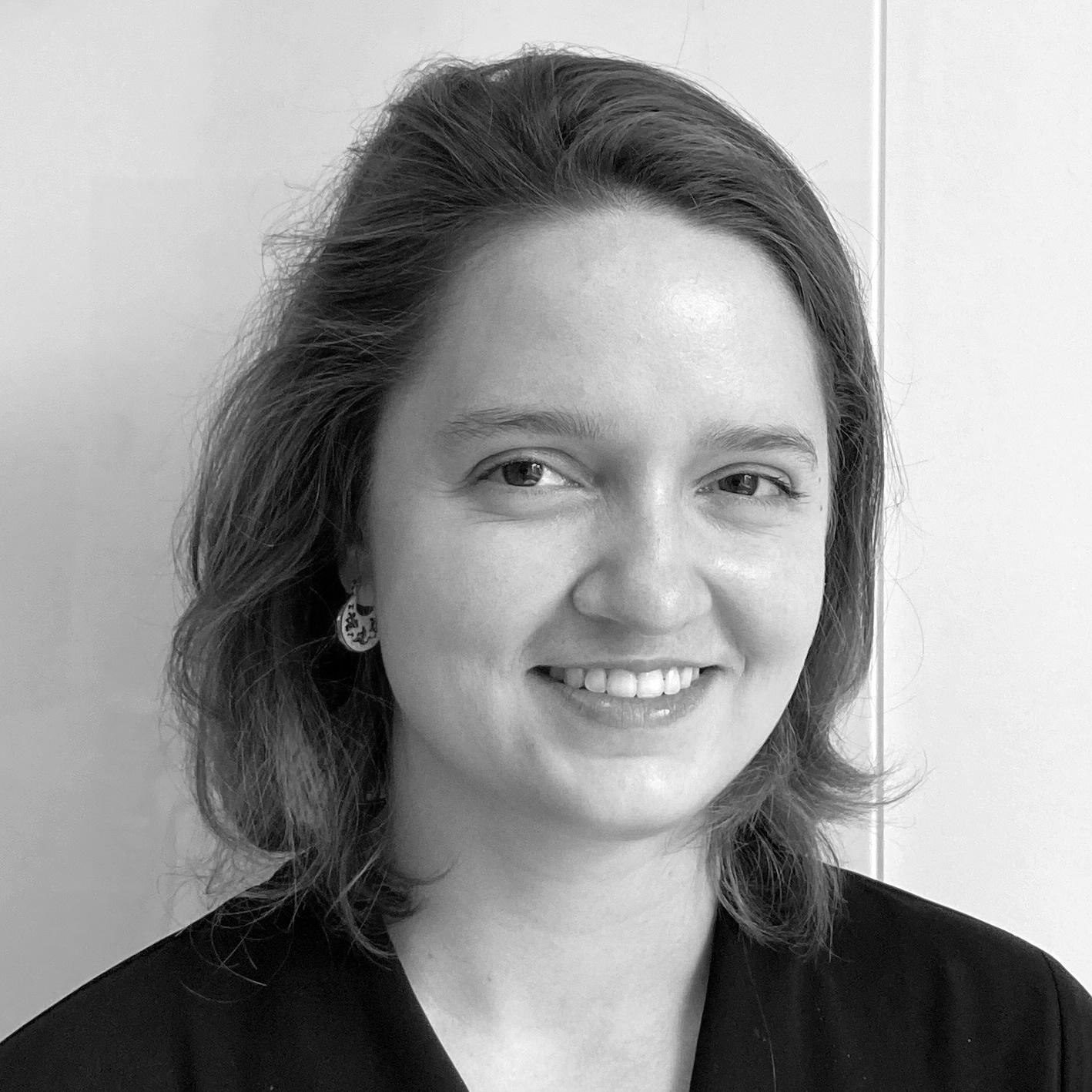
Shelby Grebbin was Spectrum’s editorial assistant. Before joining Spectrum, she was staff assistant at the Nieman Foundation for Journalism. As a freelance journalist, she has covered stories related to public health, data transparency and prison health care. Shelby has a B.A. in journalism from Emerson College in Boston, Massachusetts.
Shelby Grebbin
Editorial Assistant
From this contributor
Researchers publish new dataset on minimally verbal autistic people
Researchers at the Massachusetts Institute of Technology published the first repository of vocalizations from minimally verbal autistic people. Those with few or no spoken words still produce a range of phonemes, or units of sound, that may serve as developmental markers or intervention targets.
Researchers publish new dataset on minimally verbal autistic people
By
Shelby Grebbin
18 May 2022 | 4 min read
Autism and menopause: Q&A with Rachel Moseley and Julie Turner-Cobb
Menopause poses significant challenges for autistic people, according to a small survey published in 2020 — the first to explore the transition among people with autism traits.
Autism and menopause: Q&A with Rachel Moseley and Julie Turner-Cobb
By
Shelby Grebbin
7 April 2022 | 5 min read
Web-based autism screening service raises a host of concerns
Neurona Health, a company in San Francisco, California, backed away from part of its newly launched services after Spectrum started reporting about them.
Web-based autism screening service raises a host of concerns
By
Shelby Grebbin
21 March 2022 | 6 min read
Explore more from The Transmitter
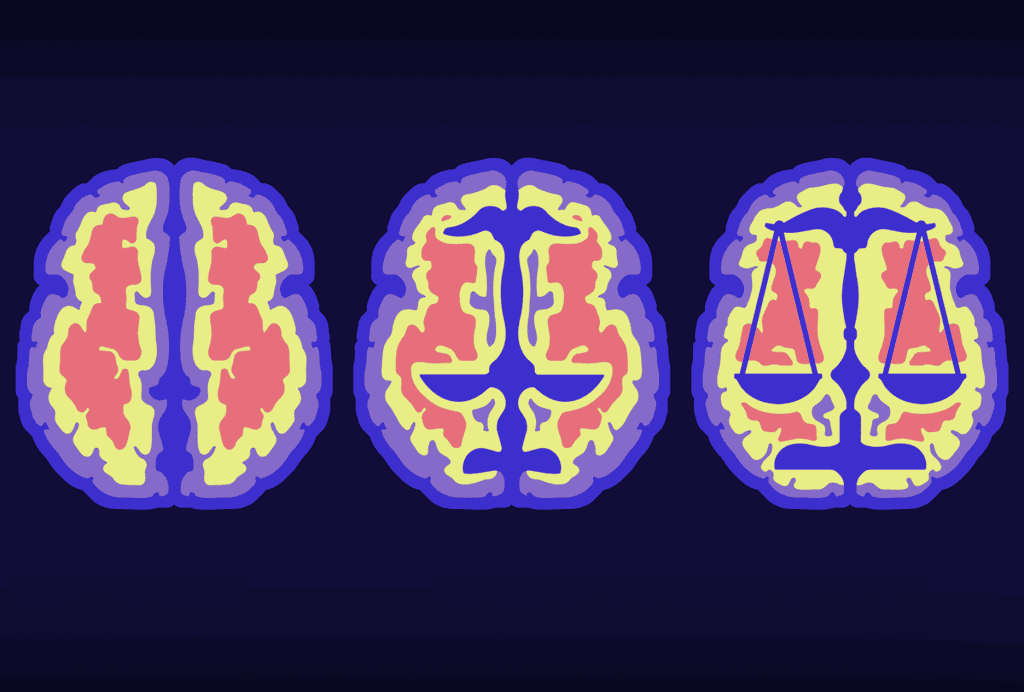
Govern neurodata by how it’s used, not where it’s from
New neurodata laws will shape how researchers gather, share and reuse brain data. A use-based governance protects basic researchers and those whose data are being used, without freezing science.
Govern neurodata by how it’s used, not where it’s from
New neurodata laws will shape how researchers gather, share and reuse brain data. A use-based governance protects basic researchers and those whose data are being used, without freezing science.
By
José M. Muñoz
16 October 2026 | 7 min read
How new technologies can bring primatologists and systems neuroscientists together
The two groups study the same behavioral phenomena yet rarely interact or read each other's work—a mutual blind spot that weakens both fields. New technologies offer a chance to bring them together.
How new technologies can bring primatologists and systems neuroscientists together
The two groups study the same behavioral phenomena yet rarely interact or read each other's work—a mutual blind spot that weakens both fields. New technologies offer a chance to bring them together.
By
Sjoerd Murris
15 October 2026 | 6 min read
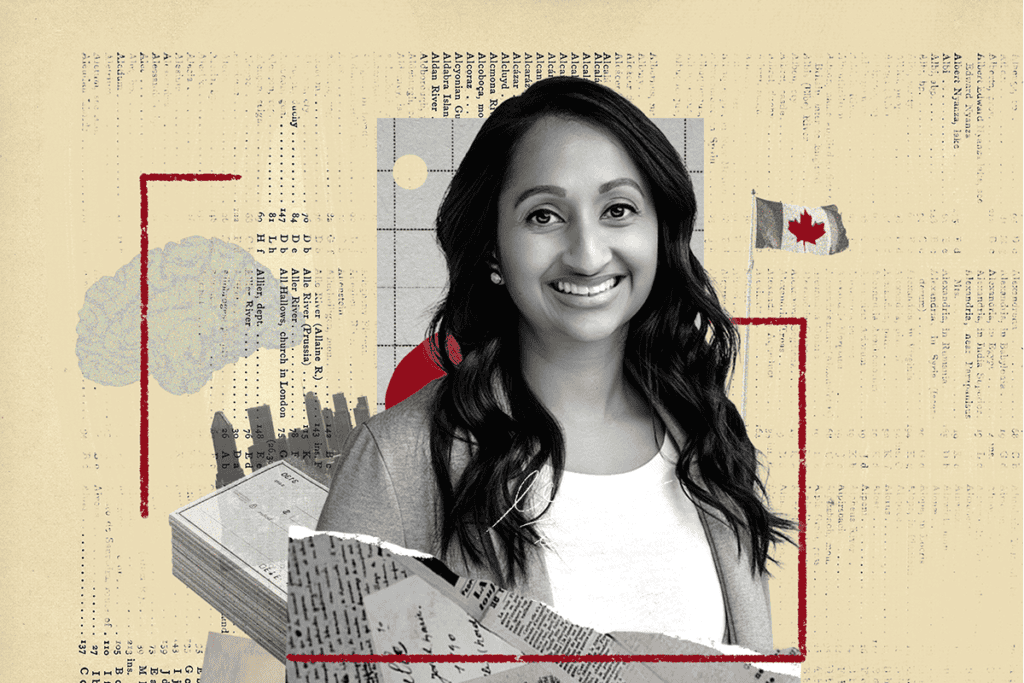
Creating community through grant support
Fiona Sanderson, a senior program manager at the Brain Canada Foundation, shares how she got into grant administration and how she helps connect researchers with funding and one another.
Creating community through grant support
Fiona Sanderson, a senior program manager at the Brain Canada Foundation, shares how she got into grant administration and how she helps connect researchers with funding and one another.
By
Katie Moisse
14 October 2026 | 7 min read