Grants
Recent articles
Amid confusion around U.S. science, some neuroscientists prepare to rally
Eight neuroscientists at different career stages spoke with The Transmitter about whether they plan to participate in the upcoming “Stand Up for Science” demonstrations across the United States on 7 March.
Amid confusion around U.S. science, some neuroscientists prepare to rally
Eight neuroscientists at different career stages spoke with The Transmitter about whether they plan to participate in the upcoming “Stand Up for Science” demonstrations across the United States on 7 March.

How to explore your scientific values and develop a vision for your field
As a new professor, I was caught off guard by one part of the job: my role as an evaluator.
How to explore your scientific values and develop a vision for your field
As a new professor, I was caught off guard by one part of the job: my role as an evaluator.
Explore more from The Transmitter
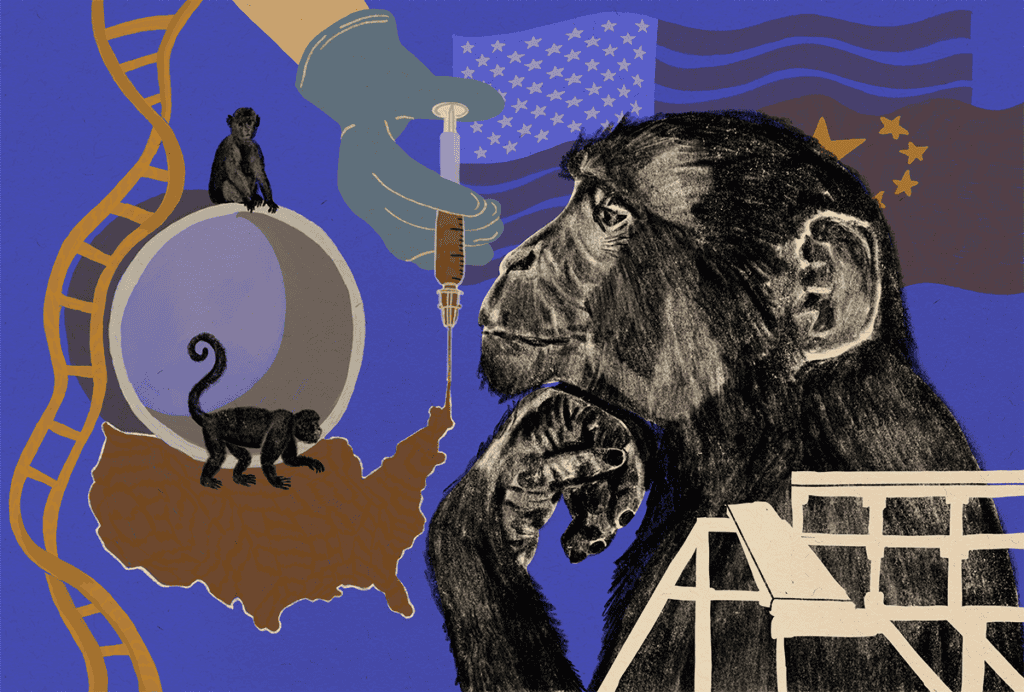
U.S. national primate research centers face an uncertain future
The facilities were meant to last 100 years. Four decades shy of that mark, amid flatlined funds and mounting political pressure, their directors are trying to find a path forward.
U.S. national primate research centers face an uncertain future
The facilities were meant to last 100 years. Four decades shy of that mark, amid flatlined funds and mounting political pressure, their directors are trying to find a path forward.
What if nonhuman primate research goes away?
As the U.S. government takes steps to stop using nonhuman primates in research, The Transmitter investigates what that shift could mean for neuroscience.
What if nonhuman primate research goes away?
As the U.S. government takes steps to stop using nonhuman primates in research, The Transmitter investigates what that shift could mean for neuroscience.
The neuroscience questions that need nonhuman primates
The Transmitter asked 17 neuroscientists what questions might remain unanswered if support for nonhuman primate research continues to decline.
The neuroscience questions that need nonhuman primates
The Transmitter asked 17 neuroscientists what questions might remain unanswered if support for nonhuman primate research continues to decline.