Craft and careers
Recent articles
Inspiring stories and practical advice for neuroscientists

Grant review needs reform. How about we add an element of chance?
A process that uses a lottery system saves time, reduces strategic resubmission and accepts that, above a quality threshold, luck has always played a part in science funding.
Grant review needs reform. How about we add an element of chance?
A process that uses a lottery system saves time, reduces strategic resubmission and accepts that, above a quality threshold, luck has always played a part in science funding.
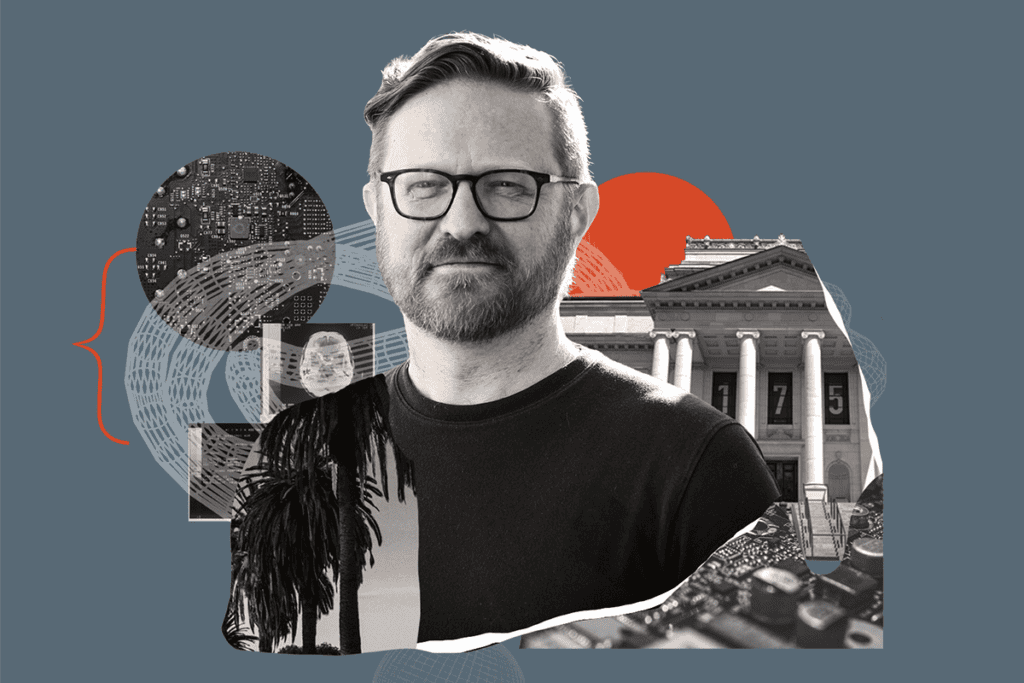
Building brain-computer interfaces at a neurotech company
At Blackrock Neurotech, Spencer Kellis develops implantable devices that help people with brain and spinal cord conditions communicate, move and more.
Building brain-computer interfaces at a neurotech company
At Blackrock Neurotech, Spencer Kellis develops implantable devices that help people with brain and spinal cord conditions communicate, move and more.
Amid funding uncertainty, neuroscientists report a mix of cynicism, persistence
Two years into one of the most tumultuous tenures in U.S. federal funding, researchers outline how they are coping with ongoing changes and reflect on the impact these changes are having on the system more broadly.
Amid funding uncertainty, neuroscientists report a mix of cynicism, persistence
Two years into one of the most tumultuous tenures in U.S. federal funding, researchers outline how they are coping with ongoing changes and reflect on the impact these changes are having on the system more broadly.
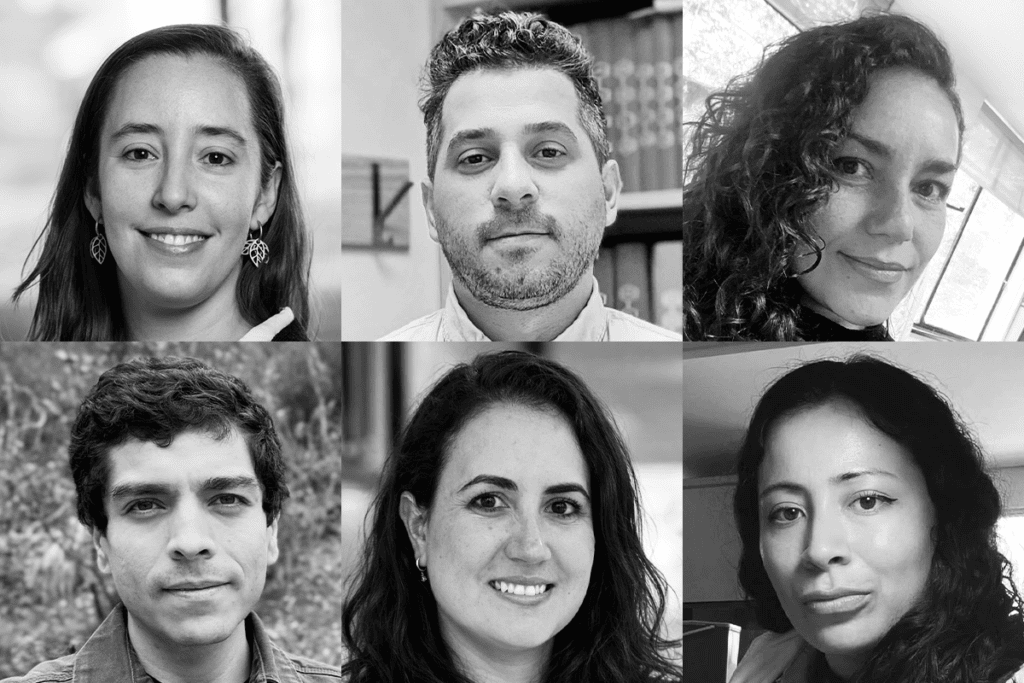
The Transmitter’s directory of new labs in Latin America
Learn about early-career neuroscientists who have started new labs or independent lines of research in Latin America over the past five years.
The Transmitter’s directory of new labs in Latin America
Learn about early-career neuroscientists who have started new labs or independent lines of research in Latin America over the past five years.
The promise of open neuroscience for Latin America
Two Uruguayan researchers explain how their work on computational tools to decode breathing from mouse video recordings could spark more open science initiatives in Latin America.
The promise of open neuroscience for Latin America
Two Uruguayan researchers explain how their work on computational tools to decode breathing from mouse video recordings could spark more open science initiatives in Latin America.
El directorio de nuevos laboratorios en América Latina de The Transmitter
Aprenda de laboratorios de neurociencia que han abierto sus puertas en Latinoamérica en los últimos cinco años.
El directorio de nuevos laboratorios en América Latina de The Transmitter
Aprenda de laboratorios de neurociencia que han abierto sus puertas en Latinoamérica en los últimos cinco años.
Diretório do The Transmitter de novos laboratórios na América Latina
Conheça neurocientistas em início de carreira que criaram novos laboratórios ou linhas de pesquisa independentes na América Latina nos últimos cinco anos.
Diretório do The Transmitter de novos laboratórios na América Latina
Conheça neurocientistas em início de carreira que criaram novos laboratórios ou linhas de pesquisa independentes na América Latina nos últimos cinco anos.
A promessa da neurociência aberta para a América Latina
Dois pesquisadores uruguaios explicam como seu trabalho com ferramentas computacionais para decodificar a respiração a partir de gravações em vídeo de camundongos pode inspirar novas iniciativas de ciência aberta na América Latina.
A promessa da neurociência aberta para a América Latina
Dois pesquisadores uruguaios explicam como seu trabalho com ferramentas computacionais para decodificar a respiração a partir de gravações em vídeo de camundongos pode inspirar novas iniciativas de ciência aberta na América Latina.
La promesa de la neurociencia abierta para Latinoamérica
Dos investigadores uruguayos explican cómo su trabajo en herramientas computacionales para decodificar la respiración a partir de grabaciones de video de ratones podría impulsar más iniciativas de ciencia abierta en América Latina.
La promesa de la neurociencia abierta para Latinoamérica
Dos investigadores uruguayos explican cómo su trabajo en herramientas computacionales para decodificar la respiración a partir de grabaciones de video de ratones podría impulsar más iniciativas de ciencia abierta en América Latina.
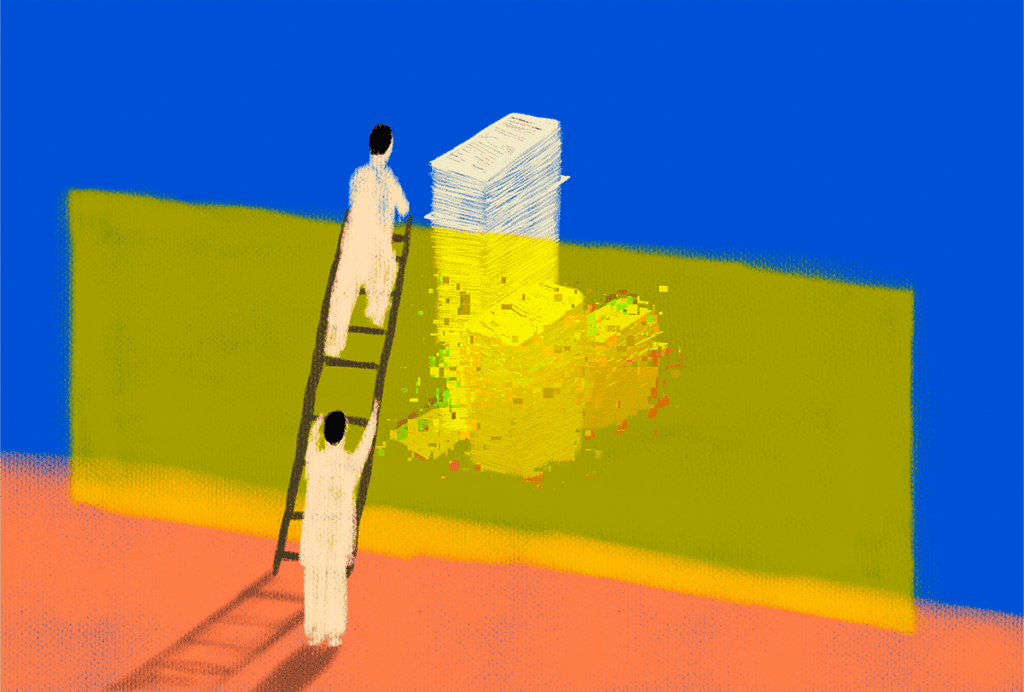
Scientific talent is global. Access to the world’s scientific stage is not.
Neuroscience in Chile, and across Latin America, does not lack talent or ideas, but the systems that make science visible—prestigious journals, conferences and networks—increasingly price its researchers out.
Scientific talent is global. Access to the world’s scientific stage is not.
Neuroscience in Chile, and across Latin America, does not lack talent or ideas, but the systems that make science visible—prestigious journals, conferences and networks—increasingly price its researchers out.
Explore more from The Transmitter
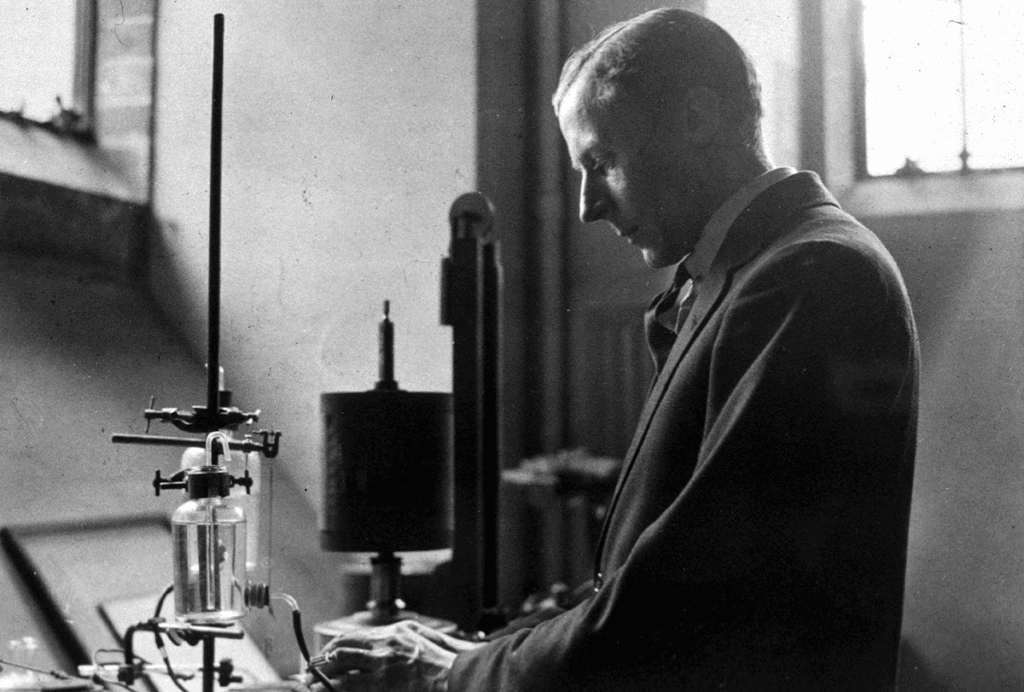
The neural code at 100
In two 1926 articles, Edgar Douglas Adrian revealed that neurons communicate through trains of spikes.
The neural code at 100
In two 1926 articles, Edgar Douglas Adrian revealed that neurons communicate through trains of spikes.
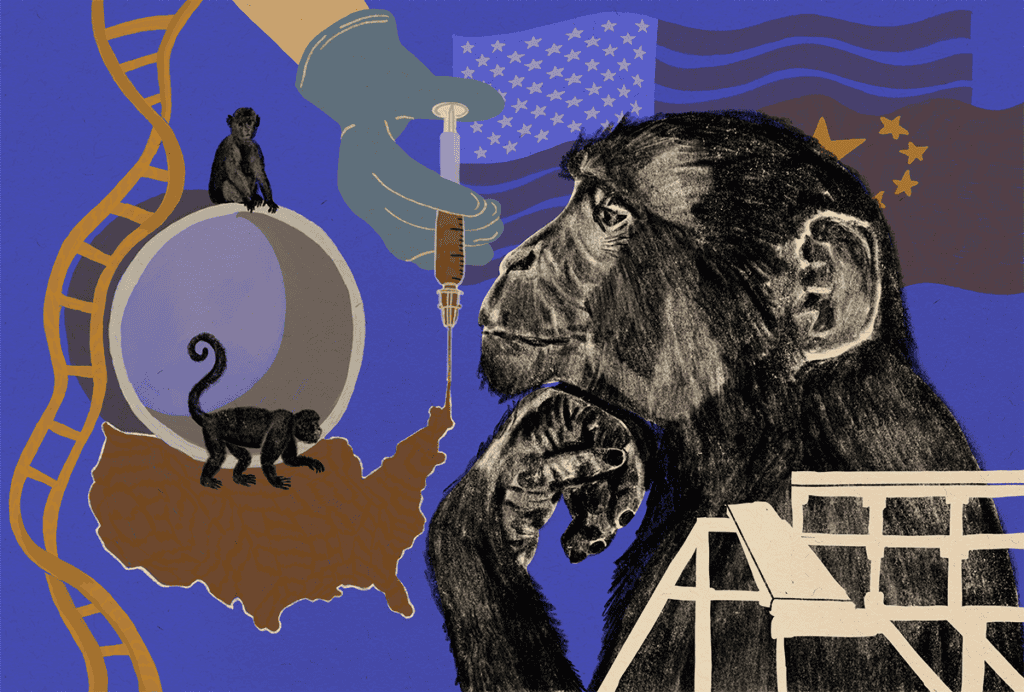
U.S. national primate research centers face an uncertain future
The facilities were meant to last 100 years. Four decades shy of that mark, amid flatlined funds and mounting political pressure, their directors are trying to find a path forward.
U.S. national primate research centers face an uncertain future
The facilities were meant to last 100 years. Four decades shy of that mark, amid flatlined funds and mounting political pressure, their directors are trying to find a path forward.
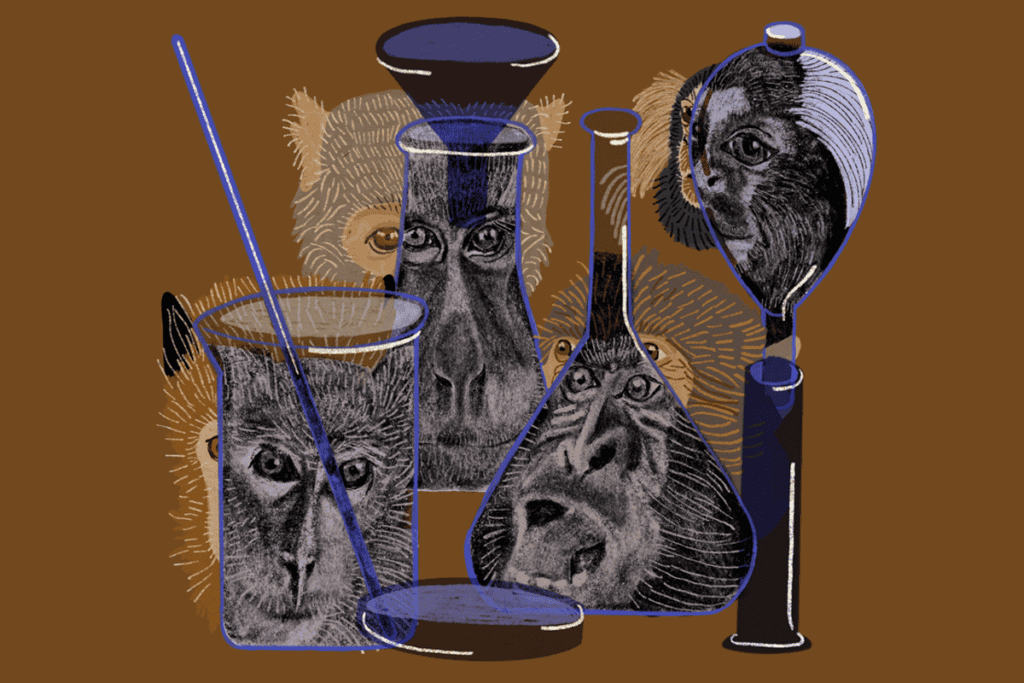
What if nonhuman primate research goes away?
As the U.S. government takes steps to stop using nonhuman primates in research, The Transmitter investigates what that shift could mean for neuroscience.
What if nonhuman primate research goes away?
As the U.S. government takes steps to stop using nonhuman primates in research, The Transmitter investigates what that shift could mean for neuroscience.