
Cayce Clifford
photographer
From this contributor
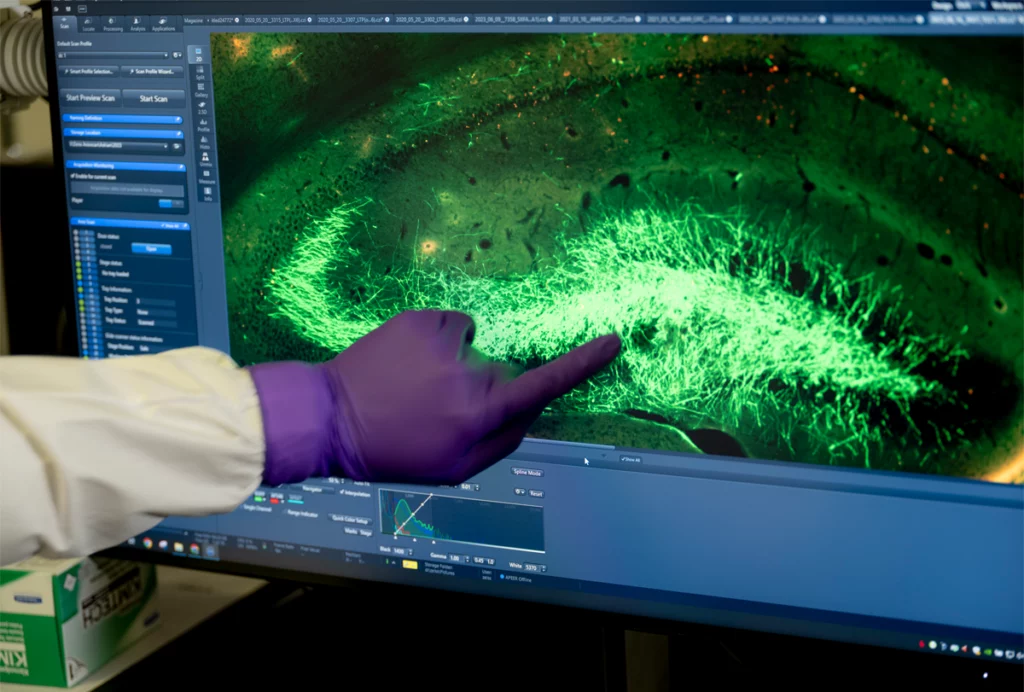
Going deep: The Transmitter’s top long-form stories in 2023
Our favorite features and book excerpts from the past year delved into the neurobiology of cancer; problems with survey data; free will; mathematical minds; and questions around one startup’s quest to treat brain conditions with cell therapies.
Going deep: The Transmitter’s top long-form stories in 2023
Uncertainty and excitement surround one company’s cell therapy for epilepsy
After 10 years of work, Neurona may have the data to quiet its skeptics. But its ongoing clinical trial will be the ultimate test.
Uncertainty and excitement surround one company’s cell therapy for epilepsy
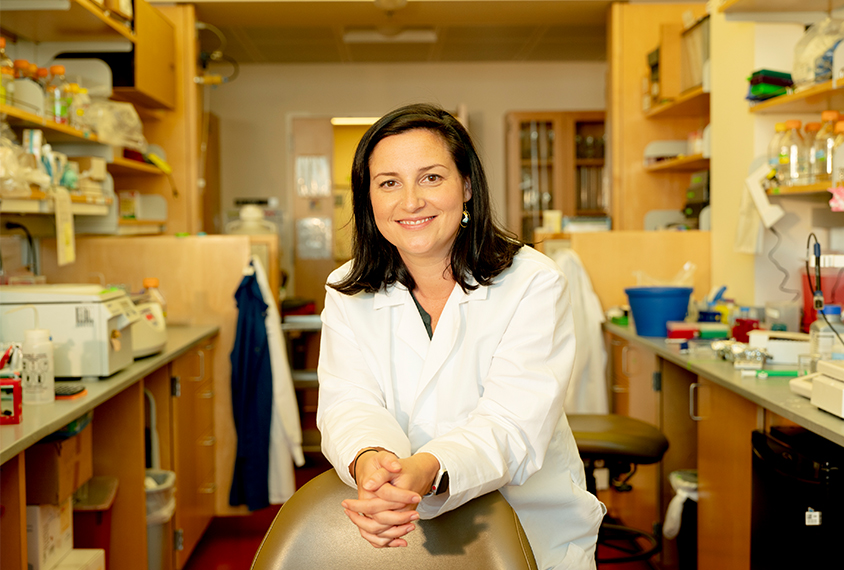
How Helen Willsey broke new ground, frogs in hand
A young researcher faces down the skeptics.
How Helen Willsey broke new ground, frogs in hand
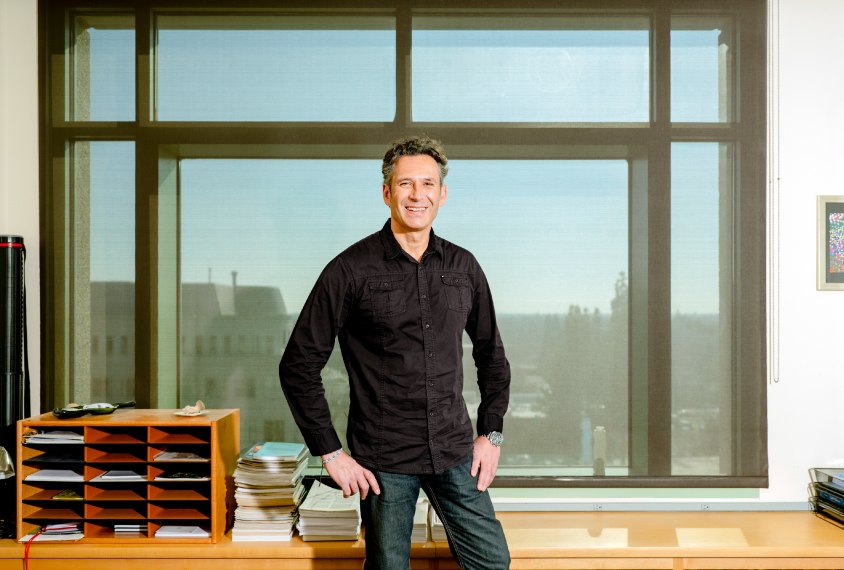
Beyond the bench: A conversation with Konstantinos Zarbalis
Konstantinos “Kostas” Zarbalis talks about the upside of unexpected experimental results, and why he eats just one meal per day.
Beyond the bench: A conversation with Konstantinos Zarbalis
Explore more from The Transmitter
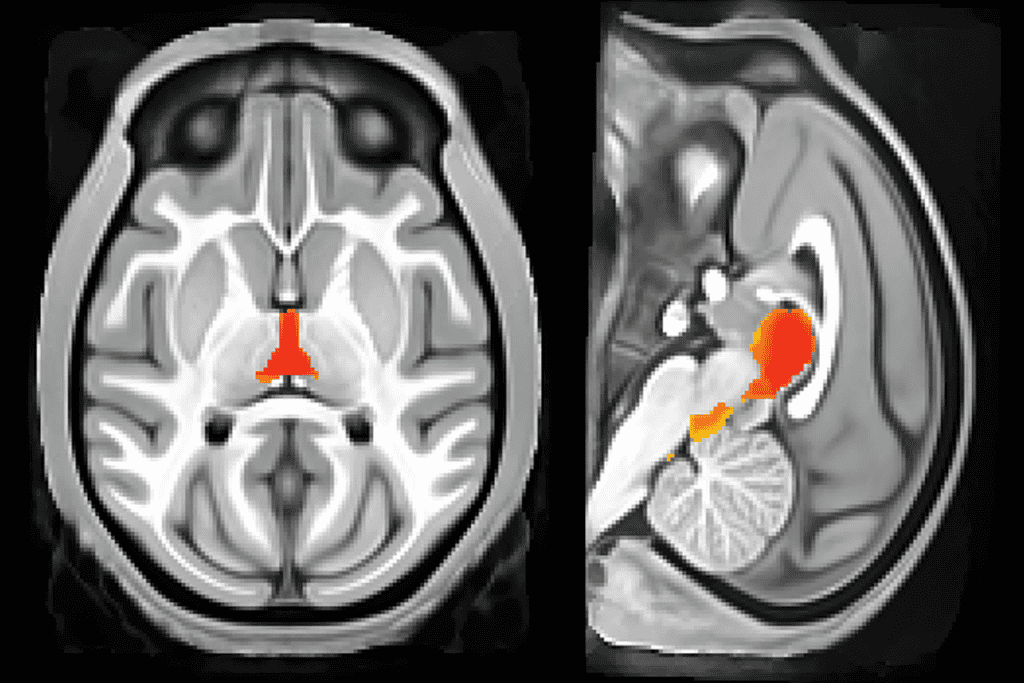
Acetaminophen effects on developing brain organoids; and more
Here is a roundup of autism-related news and research spotted around the web for the week of 12 October.
Acetaminophen effects on developing brain organoids; and more
Here is a roundup of autism-related news and research spotted around the web for the week of 12 October.

Private initiative makes ‘historic’ investment in autism research
Aligning Research to Impact Autism has committed more than $450 million to build a new multidisciplinary research network to uncover the roots of profound autism and develop treatments.
Private initiative makes ‘historic’ investment in autism research
Aligning Research to Impact Autism has committed more than $450 million to build a new multidisciplinary research network to uncover the roots of profound autism and develop treatments.
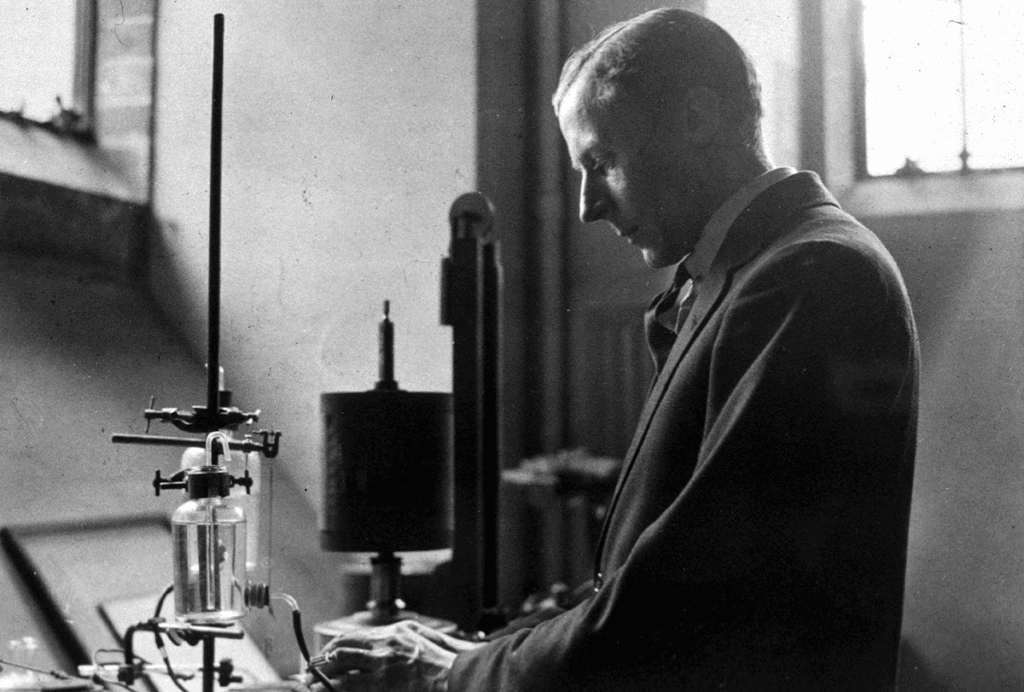
The neural code at 100
In two 1926 articles, Edgar Douglas Adrian revealed that neurons communicate through trains of spikes.
The neural code at 100
In two 1926 articles, Edgar Douglas Adrian revealed that neurons communicate through trains of spikes.