
Greg Boustead
Community Manager
Spectrum
From this contributor

Takeaways from IMFAR 2015
Scientists and the autism community come together for the 2015 International Meeting for Autism Research in Salt Lake City, Utah.
Reactions from IMFAR 2015
Tune in for daily updates and reactions from attendees at the 2015 International Meeting for Autism Research in Salt Lake City, Utah.
Dispatches from IMFAR 2015
These short reports from our journalists give you the inside scoop on developments at the 2015 International Meeting for Autism Research.
Dispatches from IMFAR 2015
Summer Institute for Autism Research: An online series
The International Society for Autism Research and SFARI.org together present a series of six weekly interactive presentations, intended for early-career investigators interested in autism research.
Summer Institute for Autism Research: An online series
Live Twitter chat from IMFAR 2015
On Friday, 15 May SFARI.org hosted a Twitter Q&A chat live from the floors of the 2015 International Meeting for Autism Research in Salt Lake City, Utah.
Explore more from The Transmitter
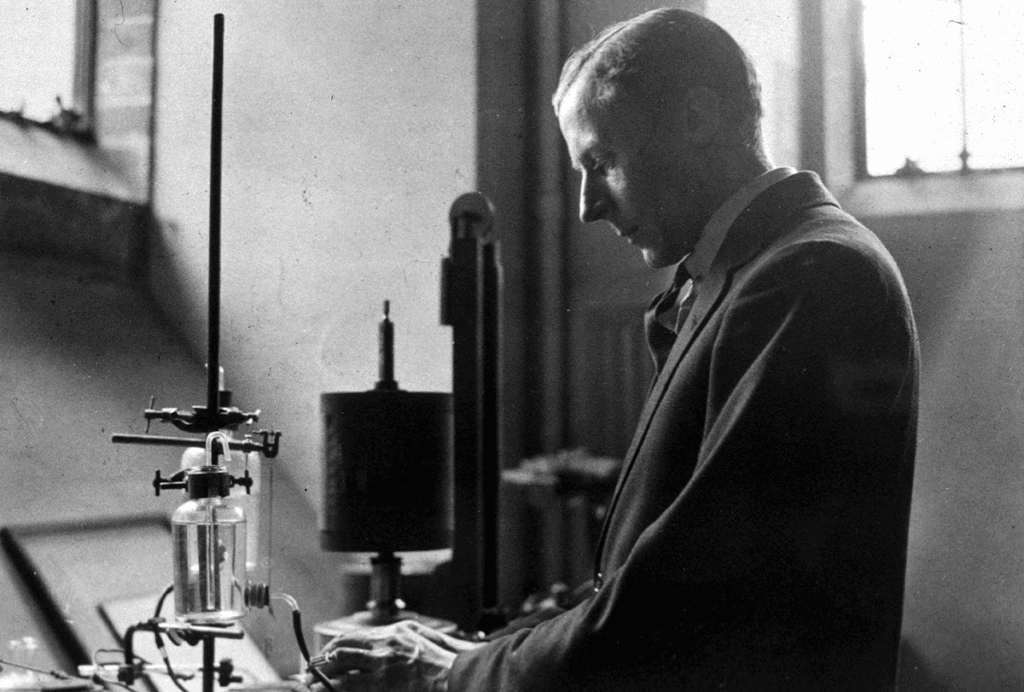
The neural code at 100
In two 1926 articles, Edgar Douglas Adrian revealed that neurons communicate through trains of spikes.
The neural code at 100
In two 1926 articles, Edgar Douglas Adrian revealed that neurons communicate through trains of spikes.
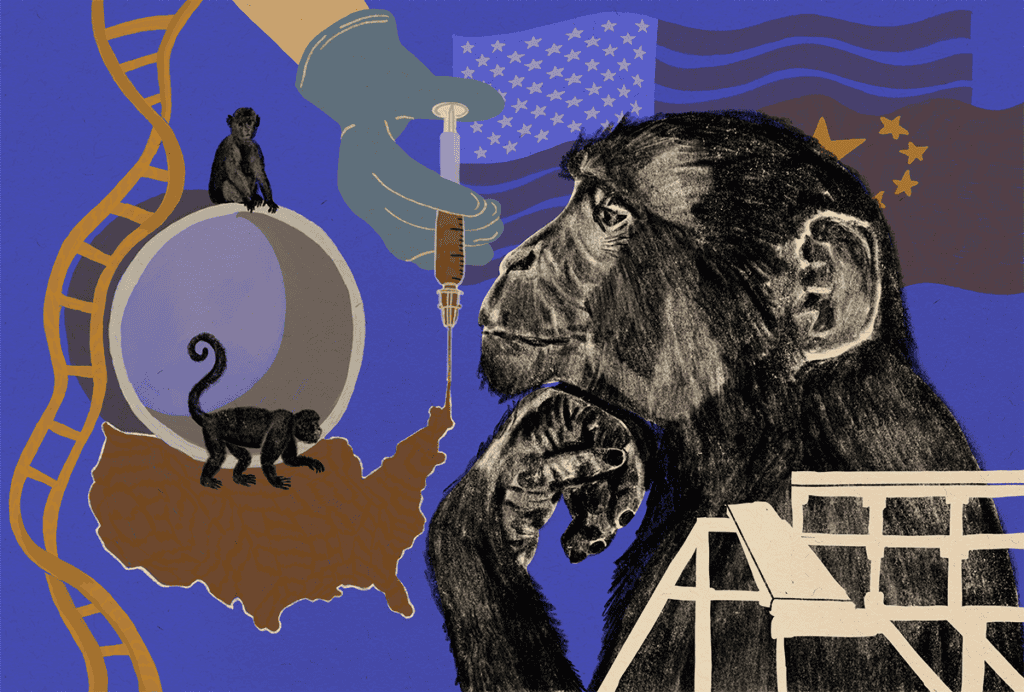
U.S. national primate research centers face an uncertain future
The facilities were meant to last 100 years. Four decades shy of that mark, amid flatlined funds and mounting political pressure, their directors are trying to find a path forward.
U.S. national primate research centers face an uncertain future
The facilities were meant to last 100 years. Four decades shy of that mark, amid flatlined funds and mounting political pressure, their directors are trying to find a path forward.
What if nonhuman primate research goes away?
As the U.S. government takes steps to stop using nonhuman primates in research, The Transmitter investigates what that shift could mean for neuroscience.
What if nonhuman primate research goes away?
As the U.S. government takes steps to stop using nonhuman primates in research, The Transmitter investigates what that shift could mean for neuroscience.