Lauren Weiss is professor of psychiatry at the University of California, San Francisco.
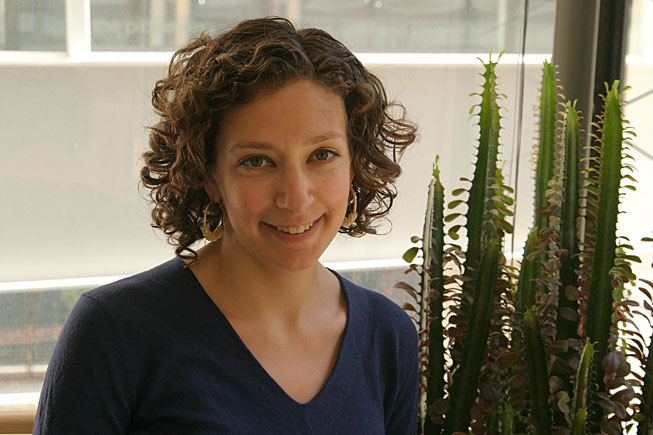
Lauren Weiss
Associate professor
University of California, San Francisco
From this contributor
Complex gene interactions in autism offer avenues for treatment
Teasing out how genes interact can offer clues to autism’s causes and point to treatment targets.
Complex gene interactions in autism offer avenues for treatment
By
Lauren Weiss
23 May 2017 | 6 min read

Fair representation for the fairer sex in autism research
Including more females in autism research studies will aid the search for genetic and environmental susceptibility factors for the disorder, says genetic psychiatrist Lauren Weiss.
Fair representation for the fairer sex in autism research
By
Lauren Weiss
16 August 2011 | 6 min read
Explore more from The Transmitter
University probe leads to retraction of four neural tube studies
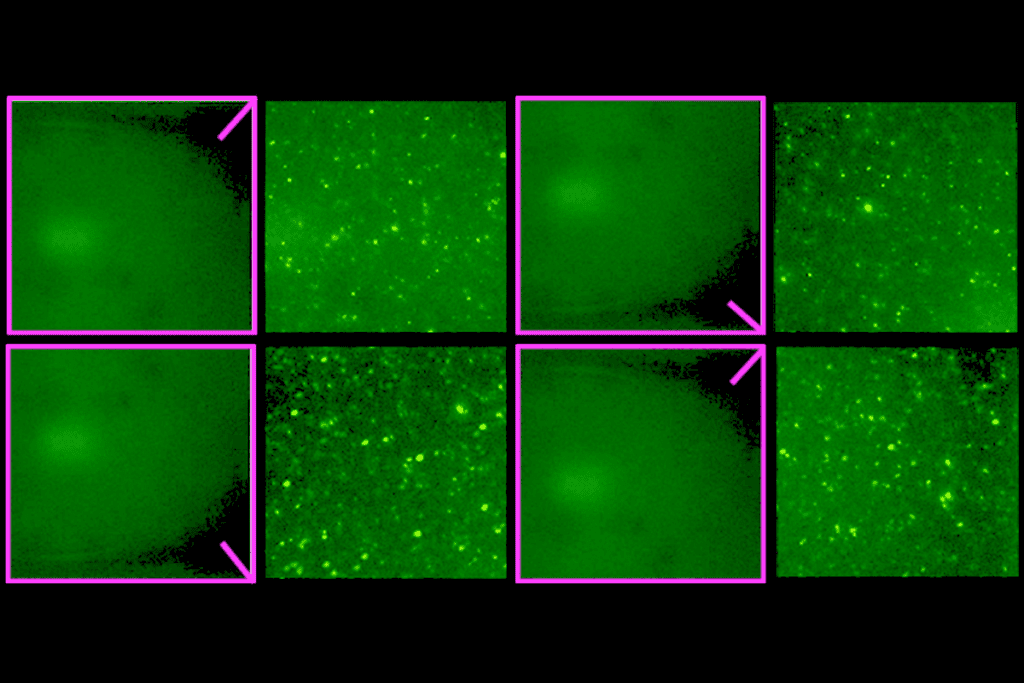
The University of Maryland conducted an internal investigation that identified image duplications and other data integrity issues in the studies, according to the retraction notices.
University probe leads to retraction of four neural tube studies
The University of Maryland conducted an internal investigation that identified image duplications and other data integrity issues in the studies, according to the retraction notices.
By
Claudia López Lloreda
16 October 2026 | 6 min read

Highly cited autism paper earns expression of concern over data duplications
The notice, published in Nature last week, also addressed an image duplication identified by a prominent research-integrity sleuth.
Highly cited autism paper earns expression of concern over data duplications
The notice, published in Nature last week, also addressed an image duplication identified by a prominent research-integrity sleuth.
By
Madeline Shaw
16 October 2026 | 4 min read
Govern neurodata by how it’s used, not where it’s from
New neurodata laws will shape how researchers gather, share and reuse brain data. A use-based governance protects basic researchers and those whose data are being used, without freezing science.
Govern neurodata by how it’s used, not where it’s from
New neurodata laws will shape how researchers gather, share and reuse brain data. A use-based governance protects basic researchers and those whose data are being used, without freezing science.
By
José M. Muñoz
16 October 2026 | 7 min read