Linda Geddes is a Bristol-based freelance journalist writing about biology, medicine and technology. Born in Cambridge, she graduated from the University of Liverpool with a first-class degree in cell biology. She spent nine years as an editor and reporter for New Scientist magazine and has received numerous awards for her journalism, including winning the Association of British Science Writers’ award for best investigative journalism and being shortlisted for the Paul Foot Award. Her first book, Bumpology: The myth-busting pregnancy book for curious parents-to-be, was published in 2013.
Linda Geddes
From this contributor
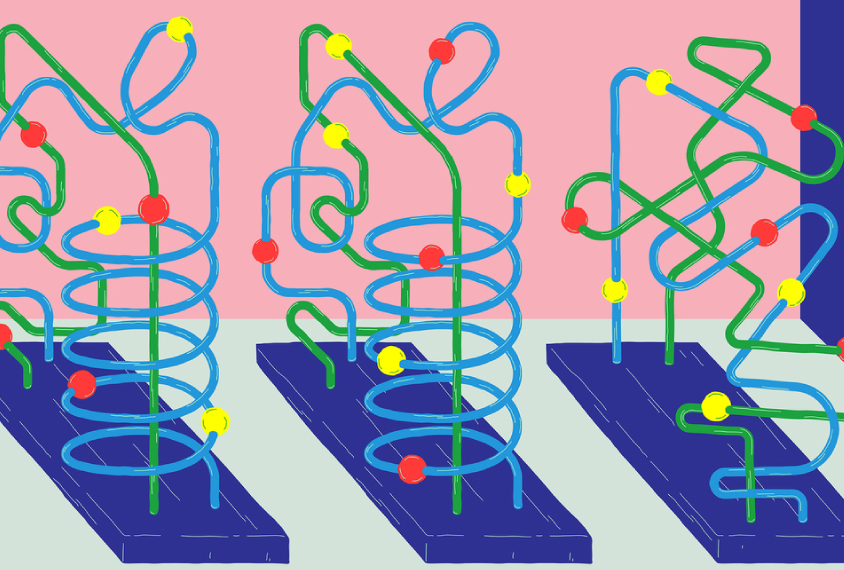
How genetics is revealing rare childhood conditions
A pioneering project is showing how, 17 years since the first draft of the human genome, our genes are giving up their secrets and bringing hope to parents around the world.
How genetics is revealing rare childhood conditions
By
Linda Geddes, Mosaic
21 September 2018 | 24 min read
Explore more from The Transmitter
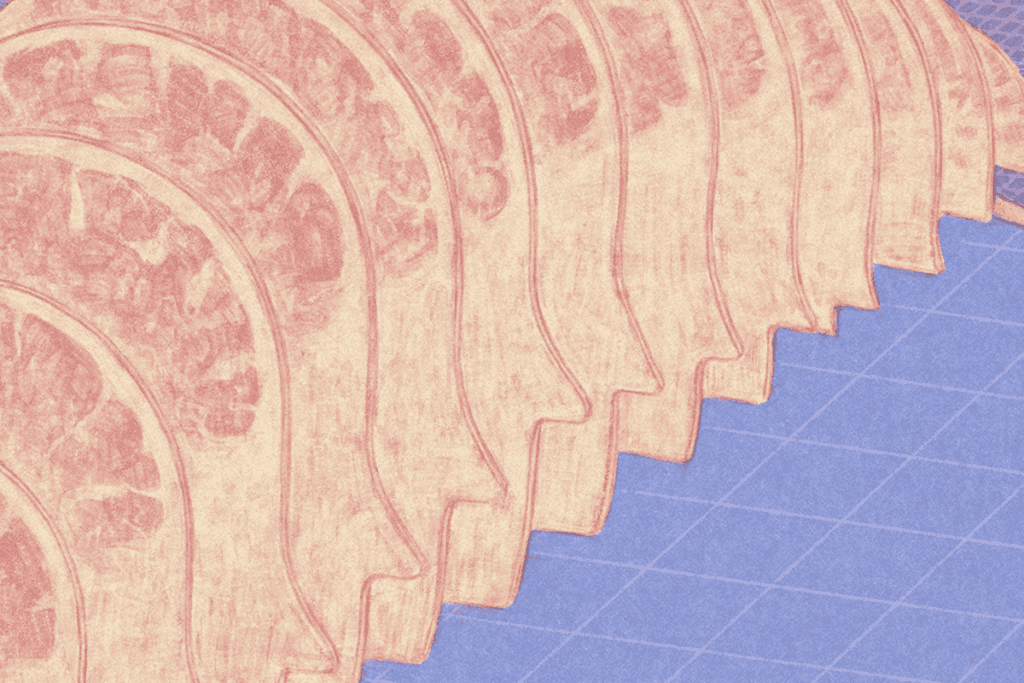
Commentary: Citation graphs may underestimate neuroscience’s influence on AI
An alternative, albeit less quantitative, way to trace this history is through the people who carried ideas between the fields.
Commentary: Citation graphs may underestimate neuroscience’s influence on AI
An alternative, albeit less quantitative, way to trace this history is through the people who carried ideas between the fields.
By
Anthony Zador
26 October 2026 | 5 min read
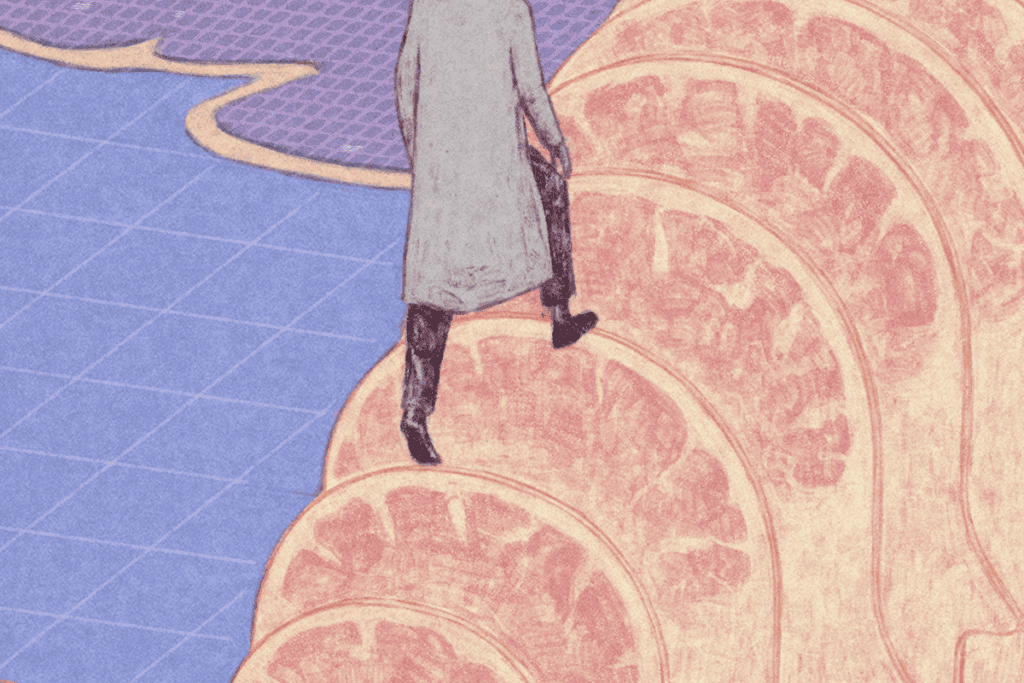
Commentary: The rising absolute number of neuro-inspired AI papers represents a substantial footprint
Many of the design choices present in the current generation of artificial-intelligence tools parallel purported properties of the brain.
Commentary: The rising absolute number of neuro-inspired AI papers represents a substantial footprint
Many of the design choices present in the current generation of artificial-intelligence tools parallel purported properties of the brain.
By
Kim Stachenfeld
26 October 2026 | 2 min read
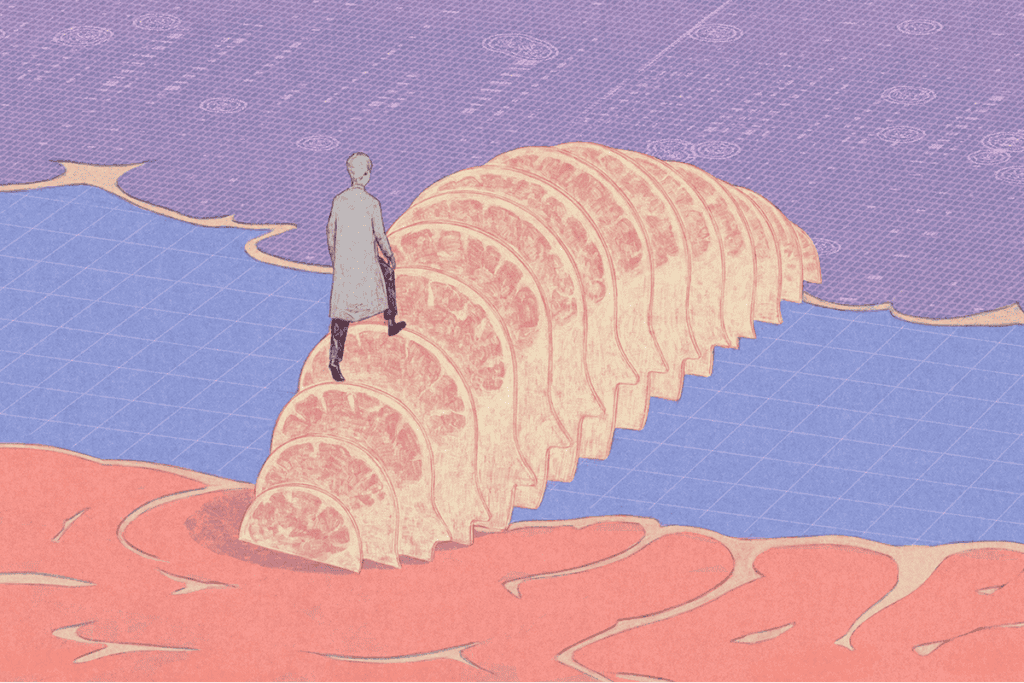
Examining the bridge between neuroscience and AI
A citation analysis reveals that the connection between the two fields is real and gaining momentum. But it’s also narrow and tool-heavy; we need to find ways to widen it.
Examining the bridge between neuroscience and AI
A citation analysis reveals that the connection between the two fields is real and gaining momentum. But it’s also narrow and tool-heavy; we need to find ways to widen it.
By
Renato Duarte
26 October 2026 | 12 min read