
Michela Buttignol
Illustrator
From this contributor
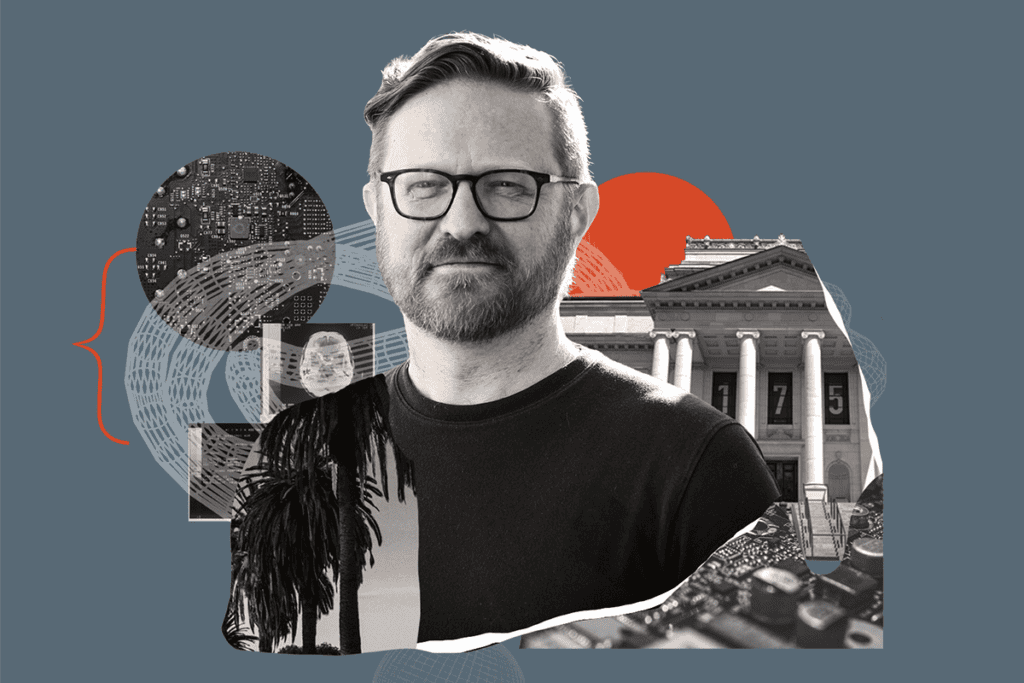
Building brain-computer interfaces at a neurotech company
At Blackrock Neurotech, Spencer Kellis develops implantable devices that help people with brain and spinal cord conditions communicate, move and more.
Building brain-computer interfaces at a neurotech company
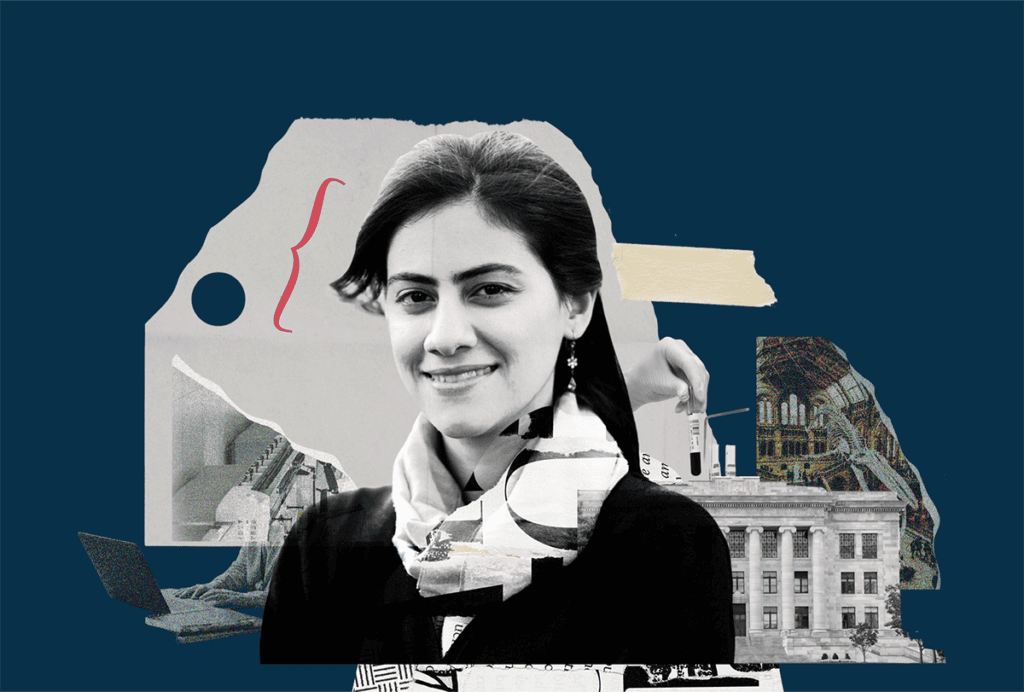
Making an impact through academic administration
As executive director of research at Harvard Medical School’s Department of Neurobiology, Soha Ashrafi supports more than 300 scientists, students and staff members.
Making an impact through academic administration
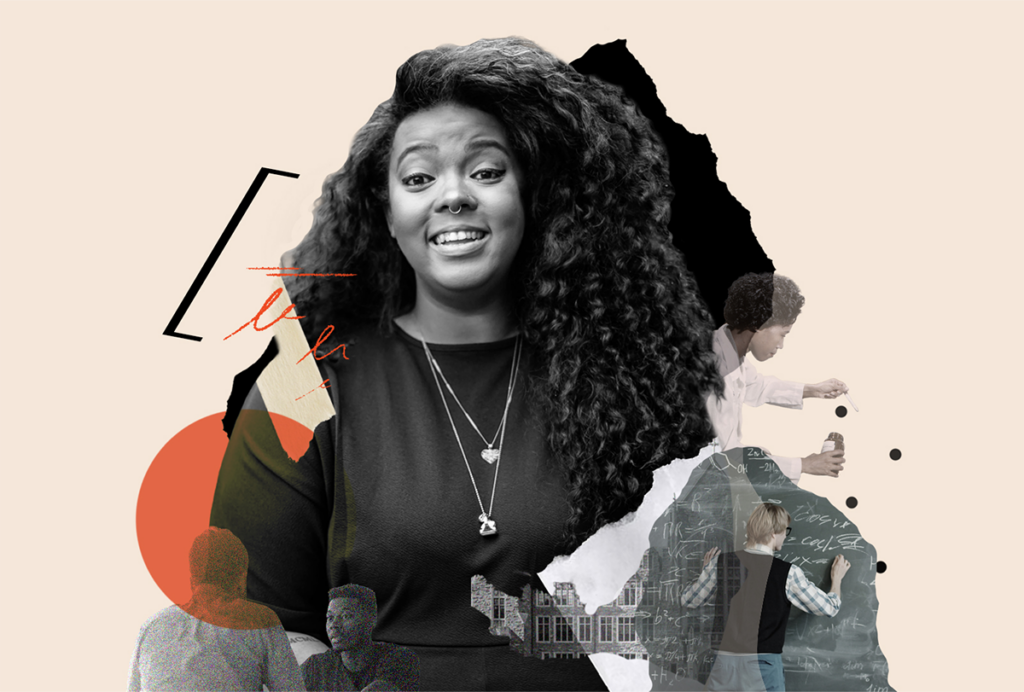
Getting grants feels good, but giving them is even better
As director of grants management at the Cure Alzheimer’s Fund, Kaela Singleton bets on bold science and shares in the joy of discovery.
Getting grants feels good, but giving them is even better
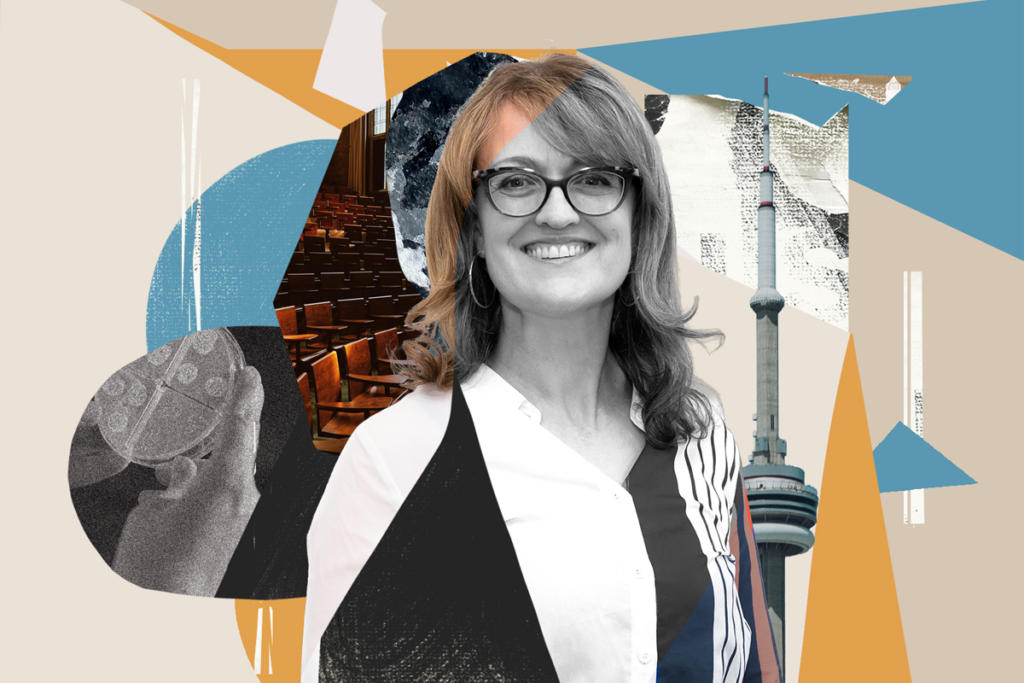
The ‘secretly awesome’ side of a teaching career
The freedom to do “wacky” research projects that interest you is a major perk of the teaching stream, says Suzanne Wood, a teaching professor at the University of Toronto.
The ‘secretly awesome’ side of a teaching career

Frameshift: How Mia Thomaidou tapped a fellowship to connect neuroscience to criminal justice
As a fellow at the Dana Foundation, she merged two familiar passions and discovered a new one: science philanthropy.
Frameshift: How Mia Thomaidou tapped a fellowship to connect neuroscience to criminal justice
Explore more from The Transmitter
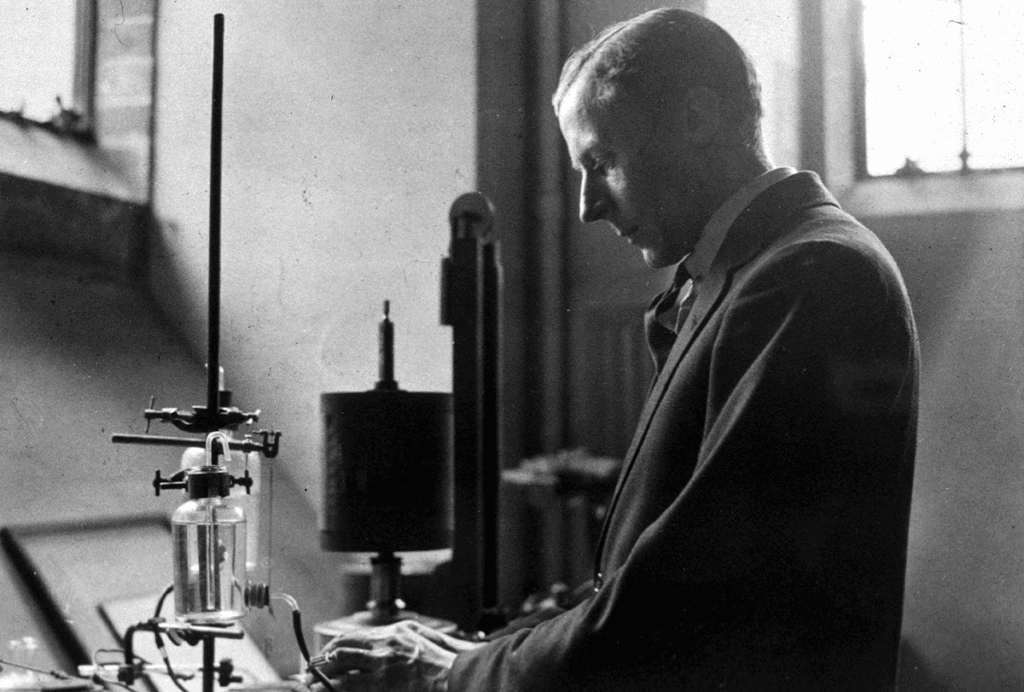
The neural code at 100
In two 1926 articles, Edgar Douglas Adrian revealed that neurons communicate through trains of spikes.
The neural code at 100
In two 1926 articles, Edgar Douglas Adrian revealed that neurons communicate through trains of spikes.
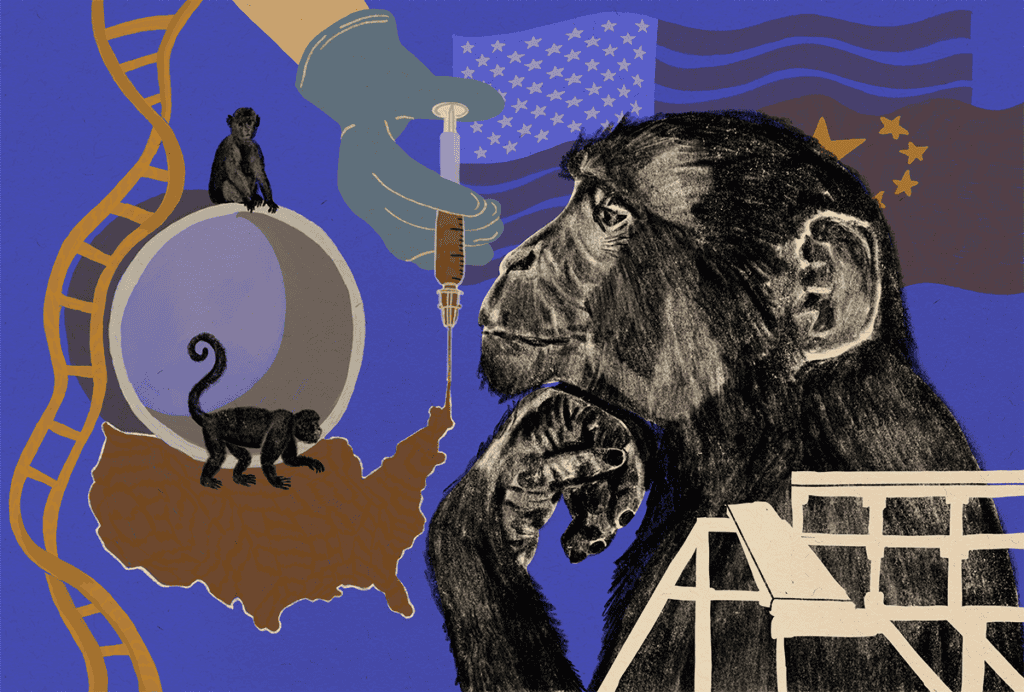
U.S. national primate research centers face an uncertain future
The facilities were meant to last 100 years. Four decades shy of that mark, amid flatlined funds and mounting political pressure, their directors are trying to find a path forward.
U.S. national primate research centers face an uncertain future
The facilities were meant to last 100 years. Four decades shy of that mark, amid flatlined funds and mounting political pressure, their directors are trying to find a path forward.
What if nonhuman primate research goes away?
As the U.S. government takes steps to stop using nonhuman primates in research, The Transmitter investigates what that shift could mean for neuroscience.
What if nonhuman primate research goes away?
As the U.S. government takes steps to stop using nonhuman primates in research, The Transmitter investigates what that shift could mean for neuroscience.