Tiffany Woynaroski is assistant professor of hearing and speech sciences at Vanderbilt University Medical Center, Vanderbilt Kennedy Center, Vanderbilt Brain Institute, and Frist Center for Autism and Innovation in Nashville, Tennessee.

Tiffany Woynaroski
Assistant professor
Vanderbilt University
From this contributor

Common sensory response scores may miss important variations
A person’s “overall” score on sensory-seeking, hyperreactive or hyporeactive tendencies may obscure nuances in their individual sensory experience.
Common sensory response scores may miss important variations
By
Zachary Williams, Tiffany Woynaroski
22 February 2024 | 5 min read
By
Kristen Bottema-Beutel, Shannon Crowley, Micheal Sandbank, Tiffany Woynaroski
24 November 2020
7 min read

Errors of omission: Why we are deeply concerned about research on autism therapies
Studies of autism treatments rarely report adverse events, and the scientists involved often fail to disclose their conflicts of interest.
Errors of omission: Why we are deeply concerned about research on autism therapies
By
Kristen Bottema-Beutel, Shannon Crowley, Micheal Sandbank, Tiffany Woynaroski
24 November 2020 | 7 min read
Explore more from The Transmitter
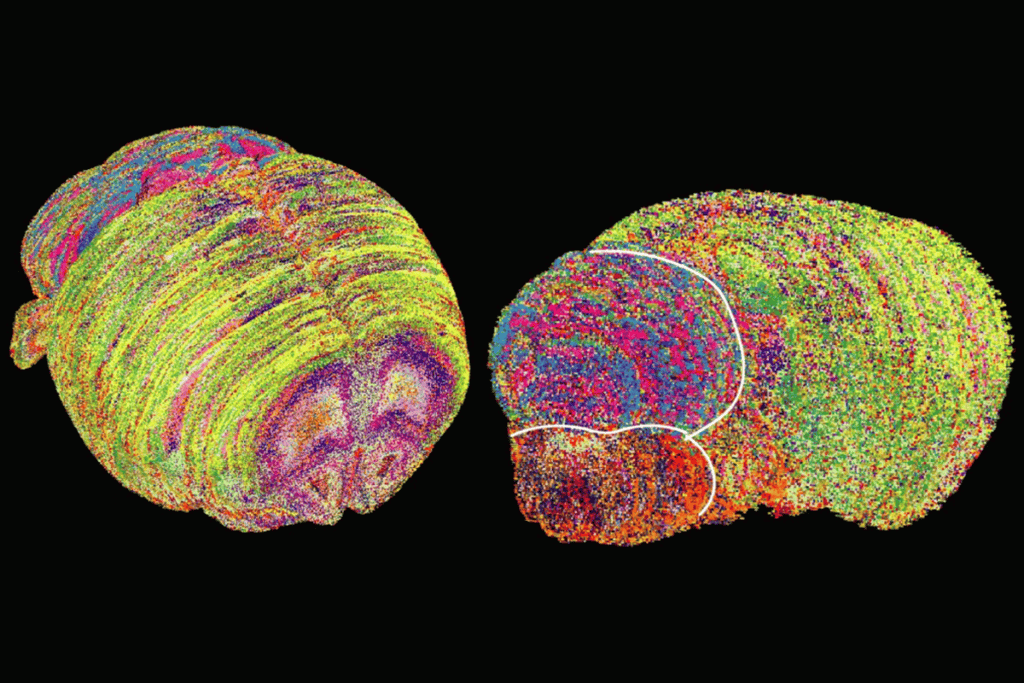
Lipids enter brain mapping limelight
Two new studies, including the first whole-brain lipid atlas in mice, uncover unforeseen complexity and influence during pregnancy and aging.
Lipids enter brain mapping limelight
Two new studies, including the first whole-brain lipid atlas in mice, uncover unforeseen complexity and influence during pregnancy and aging.
By
Lauren Schenkman
27 October 2026 | 6 min read
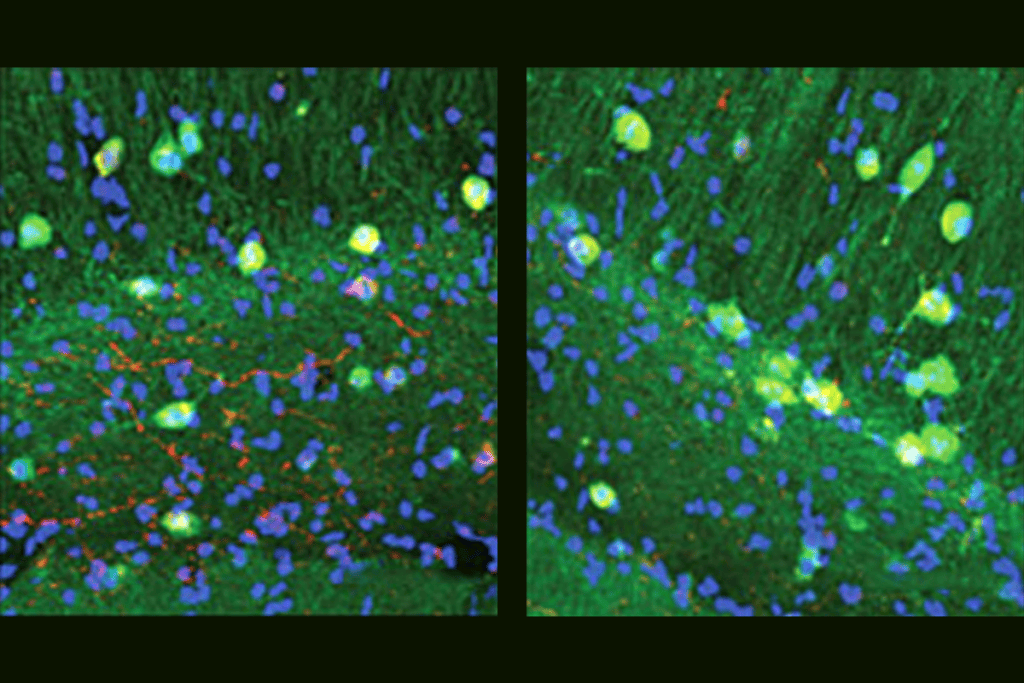
Behavioral phenomics in zebrafish; and more
Here is a roundup of autism-related news and research spotted around the web for the week of 26 October.
Behavioral phenomics in zebrafish; and more
Here is a roundup of autism-related news and research spotted around the web for the week of 26 October.
By
Jill Adams
27 October 2026 | 2 min read
Neuroscience gave AI its start. What happens now?
David Sussillo maps the two fields' divergent paths, and where they might still meet.
Neuroscience gave AI its start. What happens now?
David Sussillo maps the two fields' divergent paths, and where they might still meet.
By
Emily Singer
27 October 2026 | 10 min read