Autism and the coronavirus pandemic
Recent articles
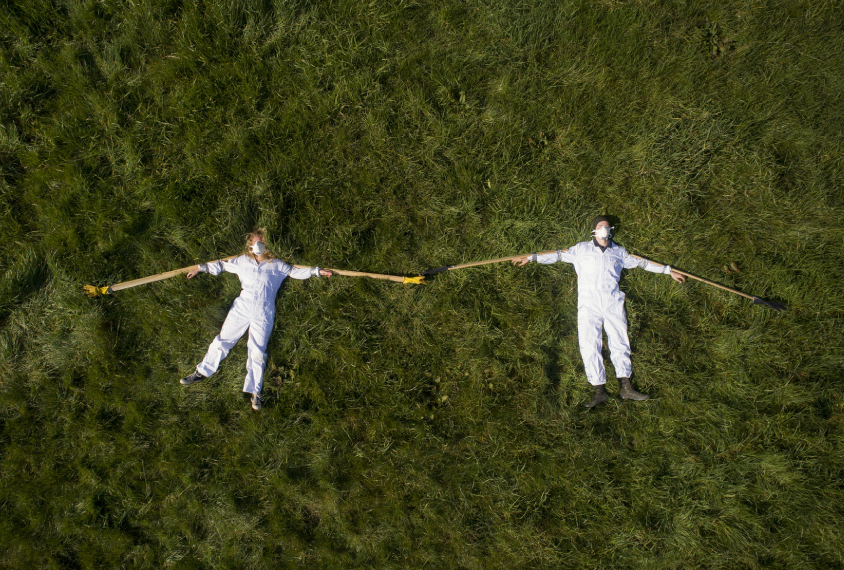
Spectrum stories: Life in lockdown with autism
Host Chelsey B. Coombs talks to clinicians and people with autism about their experience of the pandemic, how their routines have changed and some of the unexpected benefits.
Spectrum stories: Life in lockdown with autism
Host Chelsey B. Coombs talks to clinicians and people with autism about their experience of the pandemic, how their routines have changed and some of the unexpected benefits.
Amidst the pandemic, autism’s largest conference moves online
Organizers of the International Society for Autism Research's annual meeting will host digital offerings on 3 June.
Amidst the pandemic, autism’s largest conference moves online
Organizers of the International Society for Autism Research's annual meeting will host digital offerings on 3 June.

Coronavirus threatens autistic people living in group homes
Living in close quarters, with rotating staff and sometimes inadequate protective equipment, group-home residents are especially vulnerable to COVID-19.
Coronavirus threatens autistic people living in group homes
Living in close quarters, with rotating staff and sometimes inadequate protective equipment, group-home residents are especially vulnerable to COVID-19.
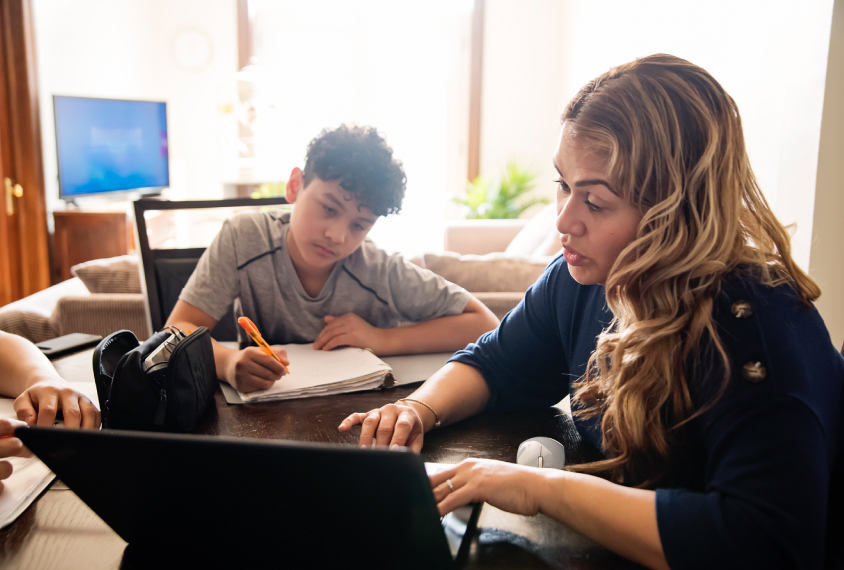
Quarantine may hit autistic women and children hardest
The coronavirus lockdown has radically disrupted autistic people’s schedules and access to services, according to a new survey.
Quarantine may hit autistic women and children hardest
The coronavirus lockdown has radically disrupted autistic people’s schedules and access to services, according to a new survey.
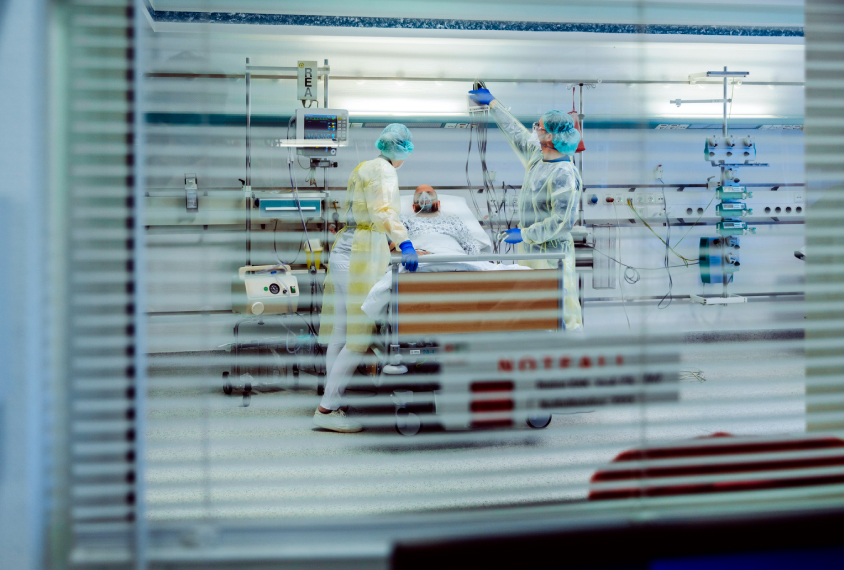
Autistic people must not be denied access to ventilators
With life-saving gear in short supply during the pandemic, health authorities must ensure that disabled people are not pushed to the back of the line.
Autistic people must not be denied access to ventilators
With life-saving gear in short supply during the pandemic, health authorities must ensure that disabled people are not pushed to the back of the line.
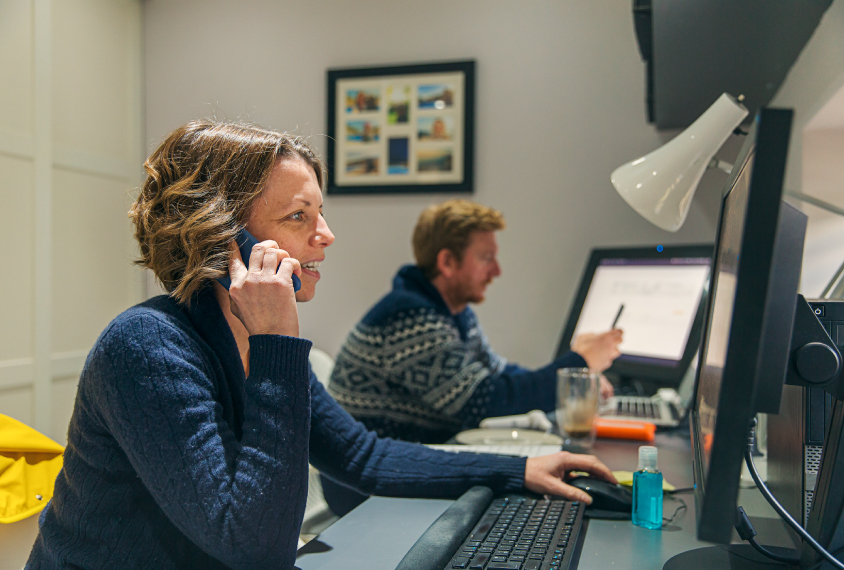
Autism researchers adapt studies for a socially distant world
Locked out of labs during the coronavirus pandemic, scientists are moving their investigations to virtual and online formats, a shift that may bring lasting changes to autism research.
Autism researchers adapt studies for a socially distant world
Locked out of labs during the coronavirus pandemic, scientists are moving their investigations to virtual and online formats, a shift that may bring lasting changes to autism research.
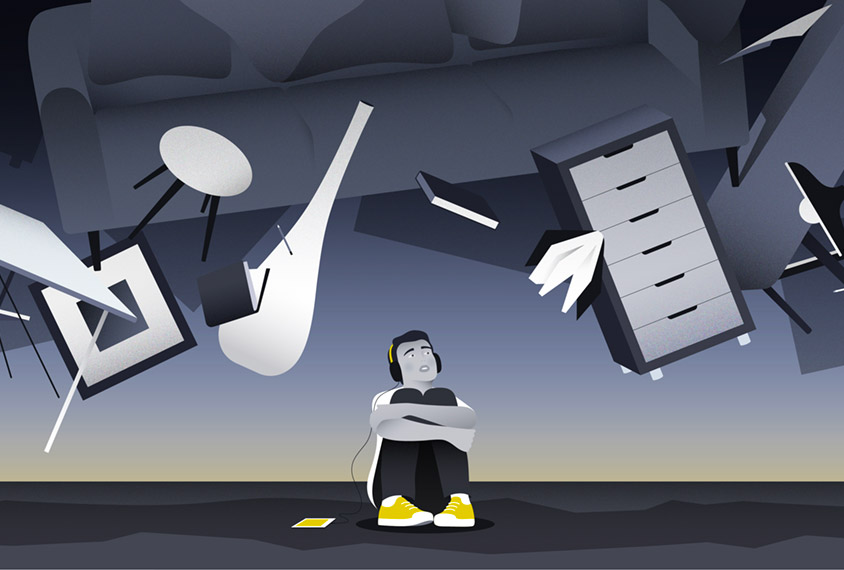
How to help autistic children cope with pandemic lockdowns
Sheltering in place is especially hard for autistic children who dread changes in routine and who may have learned to repress their ways of managing stress. Here are tips to help them cope.
How to help autistic children cope with pandemic lockdowns
Sheltering in place is especially hard for autistic children who dread changes in routine and who may have learned to repress their ways of managing stress. Here are tips to help them cope.
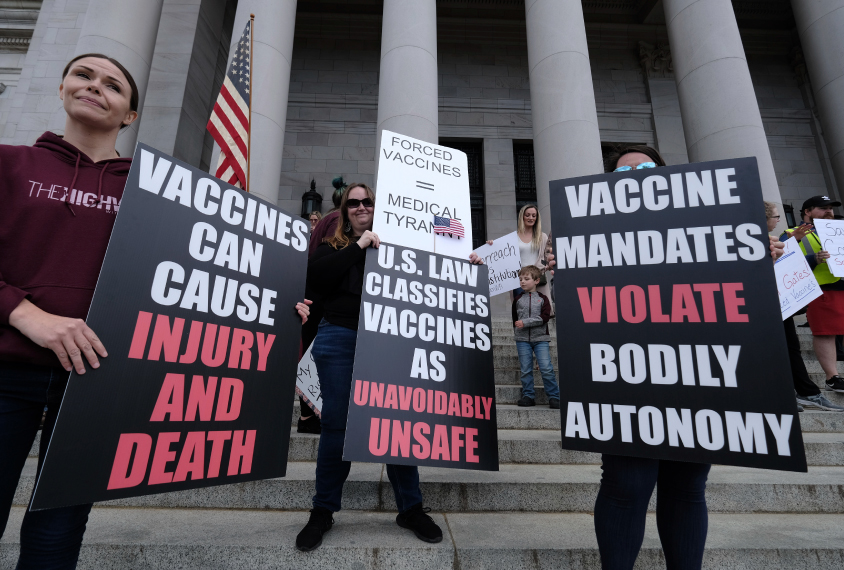
How anti-vaccine activists are using COVID-19 to boost their movement
While most of the world hungers for a vaccine to put an end to the death and economic destruction wrought by COVID-19, some anti-vaccine groups are joining anti-lockdown protesters to challenge restrictions aimed at protecting public health.
How anti-vaccine activists are using COVID-19 to boost their movement
While most of the world hungers for a vaccine to put an end to the death and economic destruction wrought by COVID-19, some anti-vaccine groups are joining anti-lockdown protesters to challenge restrictions aimed at protecting public health.
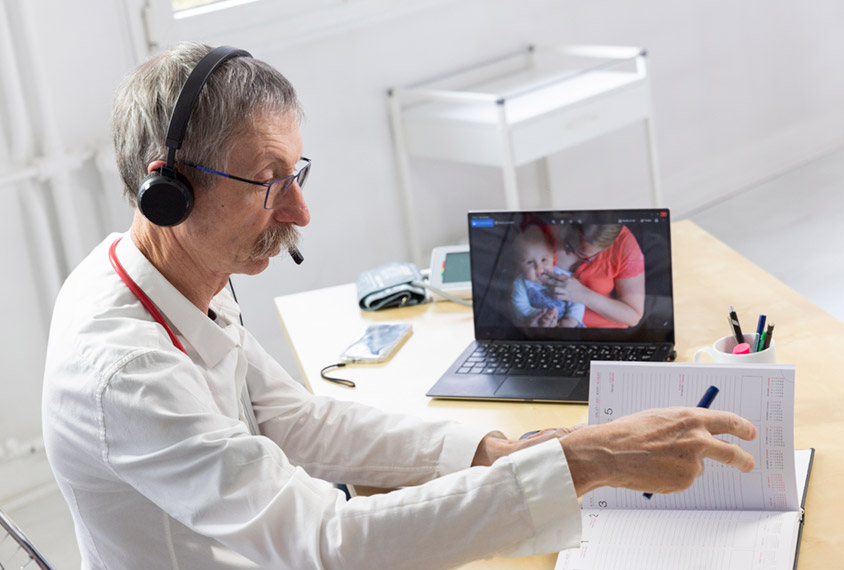
Remote diagnosis, support could aid families during lockdown
Cut off from clients by the pandemic, clinicians are turning to video conferencing and other technologies to diagnose children with autism.
Remote diagnosis, support could aid families during lockdown
Cut off from clients by the pandemic, clinicians are turning to video conferencing and other technologies to diagnose children with autism.
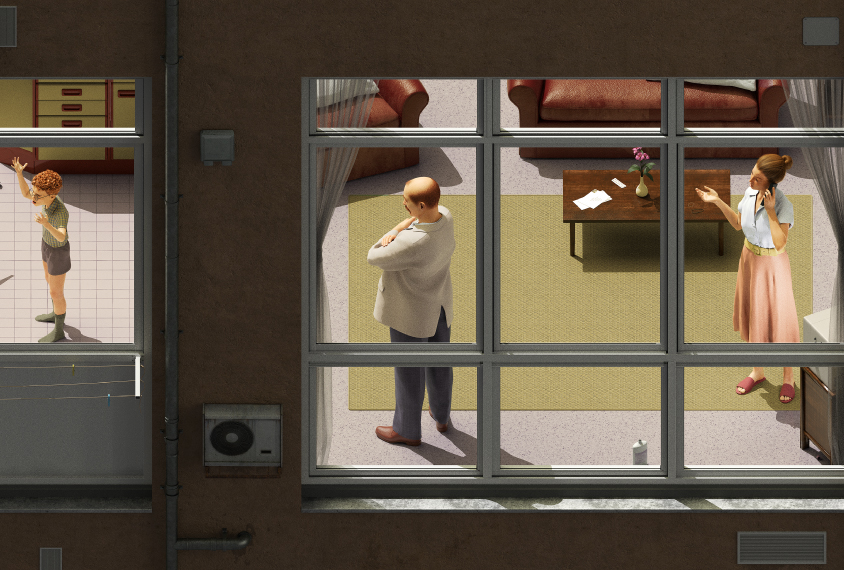
Coronavirus tool kit may aid families with autistic children during lockdown
To help families cope with the sudden loss of professional support during the pandemic, one team in France has created a set of resources and information.
Coronavirus tool kit may aid families with autistic children during lockdown
To help families cope with the sudden loss of professional support during the pandemic, one team in France has created a set of resources and information.
Explore more from The Transmitter
Is it time for neuroscience to shift its focus from a computational mind to a navigating mind?
Andrea Hiott explains her navigational approach to the mind, and why now is the time to embrace seemingly paradoxical findings in neuroscience.
Is it time for neuroscience to shift its focus from a computational mind to a navigating mind?
Andrea Hiott explains her navigational approach to the mind, and why now is the time to embrace seemingly paradoxical findings in neuroscience.
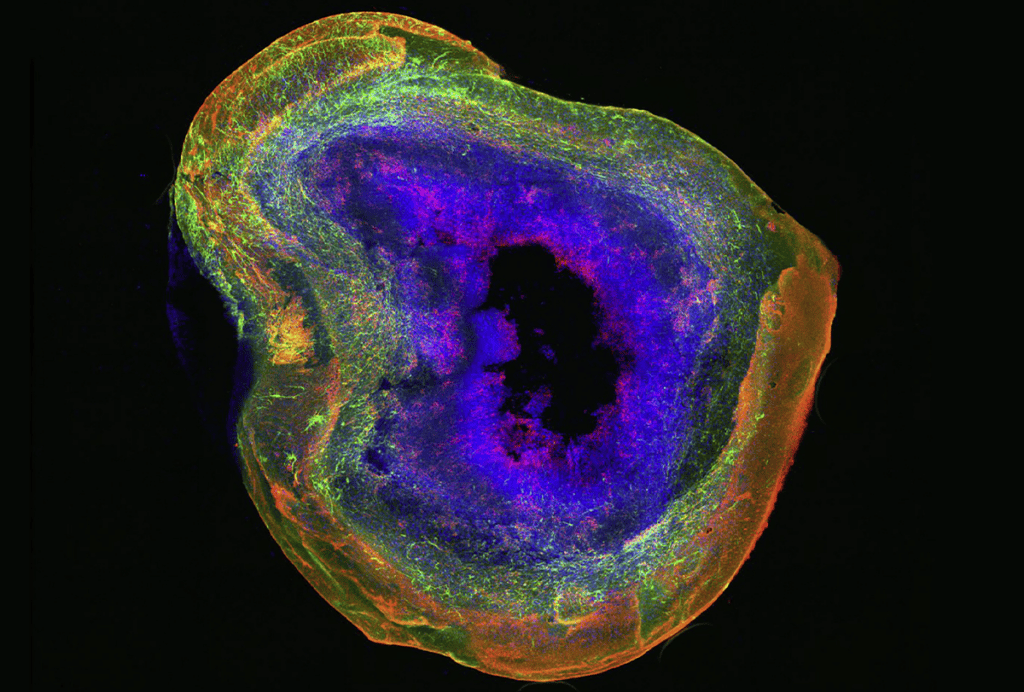
Human brain organoids come of age—but still have room to grow
The U.S. government has touted organoids as an alternative to animals for studying the brain. The model has improved since its debut in 2013, but scientists are still working to overcome key limitations: immaturity, consistency and the lack of vascularization.
Human brain organoids come of age—but still have room to grow
The U.S. government has touted organoids as an alternative to animals for studying the brain. The model has improved since its debut in 2013, but scientists are still working to overcome key limitations: immaturity, consistency and the lack of vascularization.
Finding neuroheterogeneity’s sweet spot
Once thought to be detrimental to memory processing, neuronal diversity—at the right ‘Goldilocks’ dose—is a new boon to theoretical neuroscience.
Finding neuroheterogeneity’s sweet spot
Once thought to be detrimental to memory processing, neuronal diversity—at the right ‘Goldilocks’ dose—is a new boon to theoretical neuroscience.