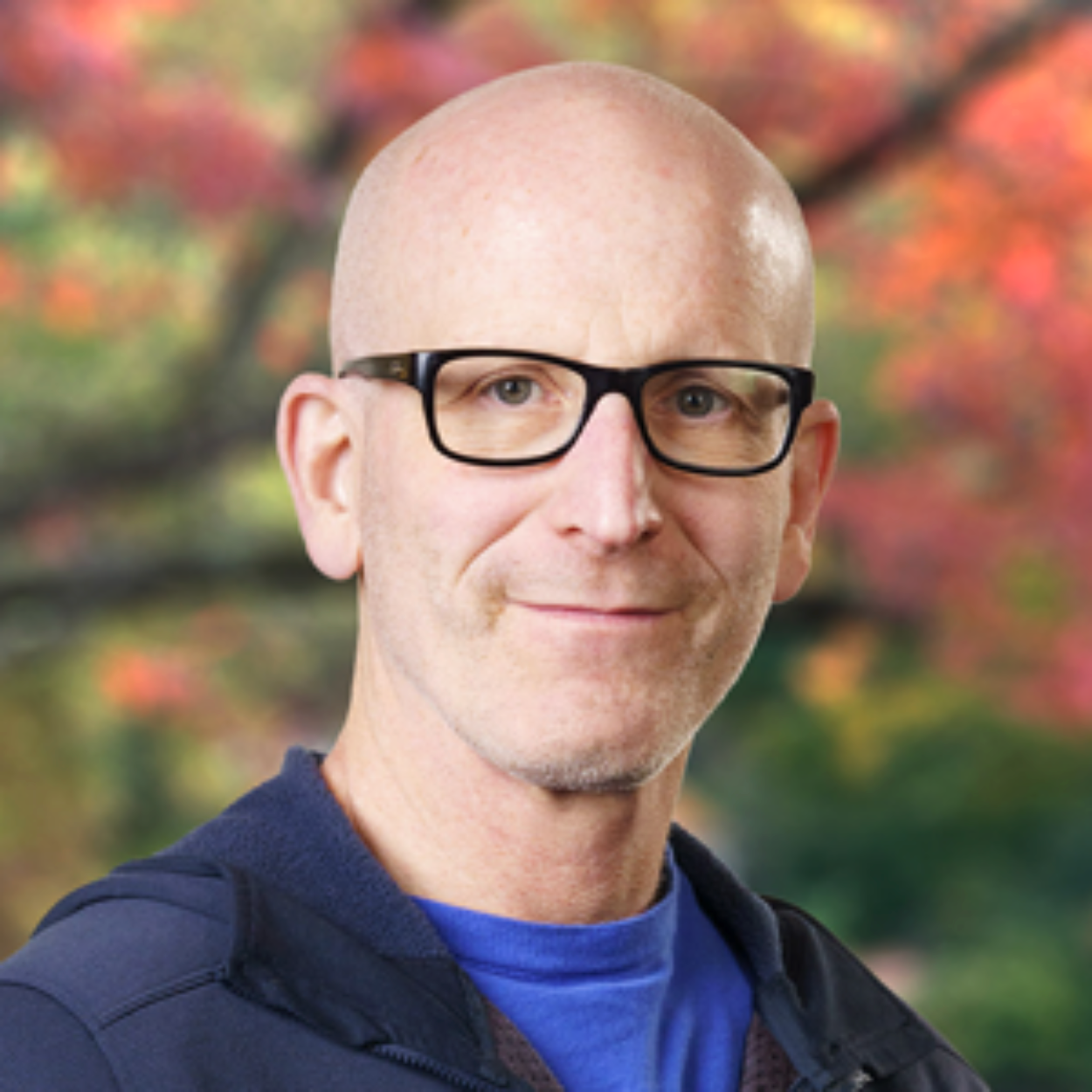
Headshot of Anthony Zador.

Anthony Zador

Professor of biology, Cold Spring Harbor Laboratory;
Contributing editor, The Transmitter

Anthony Zador is Alle Davis Harris Professor of Biology at Cold Spring Harbor Laboratory in New York. The goal of his research is to understand the neural circuits underlying sensorimotor decision-making. His laboratory pioneered the use of rodents in complex decision-making tasks and developed a novel suite of approaches, including MAPseq and BARseq, for determining brain wiring using high-throughput DNA sequencing. His current research interests include neuroscience-inspired artificial intelligence. He is the co-founder of several meetings, including Computational and Systems Neuroscience and From Neuroscience to Artificially Intelligent Systems.

Zador received his M.D. and Ph.D. from Yale University and did postdoctoral work at the Salk Institute for Biological Studies in La Jolla, California, before joining the faculty at Cold Spring Harbor Laboratory.


Explore more from The Transmitter

Two heatmap-like mouse silhouettes overlaid with a grid of ones and zeroes.

How artificial agents can help us understand social recognition

Neuroscience is chasing the complexity of social behavior, yet we have not answered the simplest question in the chain: How does a brain know “who is who”? Emerging multi-agent artificial intelligence may help accelerate our understanding of this fundamental computation.

By Eunji Kong
16 January 2026 | 5 min read
Brain network maps creating using lesion network mapping.

Methodological flaw may upend network mapping tool

The lesion network mapping method, used to identify disease-specific brain networks for clinical stimulation, produces a nearly identical network map for any given condition, according to a new study.

By Angie Voyles Askham
15 January 2026 | 7 min read
Crowd seen from above.

Common and rare variants shape distinct genetic architecture of autism in African Americans

Certain gene variants may have greater weight in determining autism likelihood for some populations, a new study shows.

By Laura Dattaro
15 January 2026 | 5 min read

privacy consent banner

Privacy Preference

We use cookies to provide you with the best online experience. By clicking “Accept All,” you help us understand how our site is used and enhance its performance. You can change your choice at any time. To learn more, please visit our Privacy Policy.