Kate MacDuffie is a licensed clinical psychologist, a postdoctoral fellow at the University of Washington and a bioethics fellow at the Treuman Katz Center for Pediatric Bioethics at Seattle Children’s Hospital. MacDuffie’s research spans the areas of neuroimaging and neuroethics, with a focus on disclosure of results to participants with psychiatric or neurodevelopmental disorders.

Kate MacDuffie
Postdoctoral fellow
University of Washington
Explore more from The Transmitter
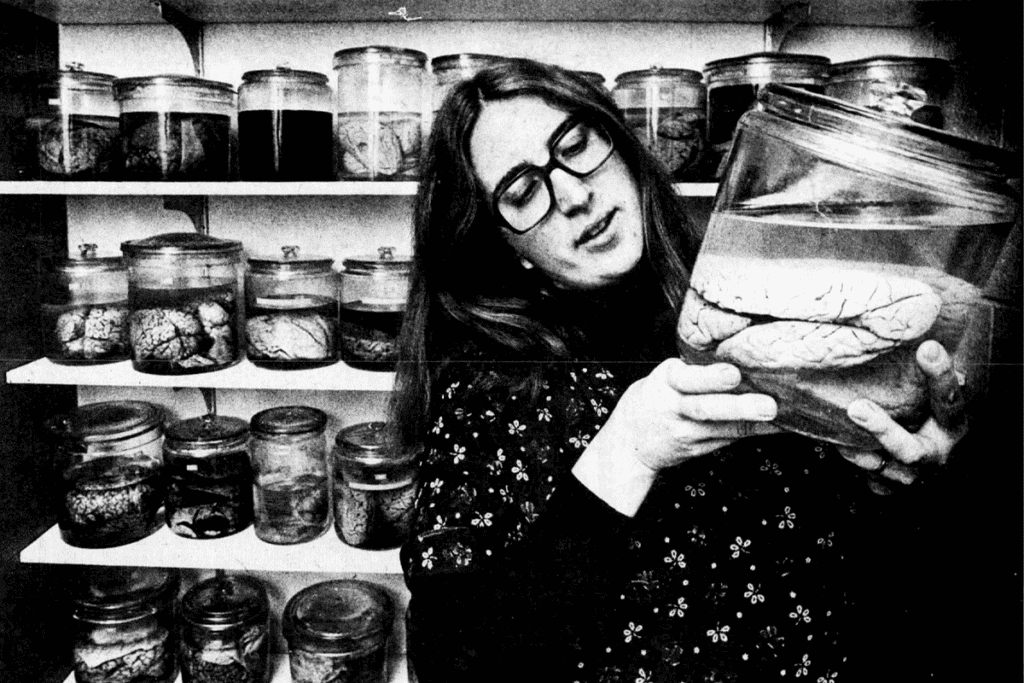
Remembering Barbara Finlay, ‘maverick’ of evolutionary neuroscience
Finlay, who died on 12 September, championed the idea that developmental constraints dictate how evolution sculpts brains, a concept she used to model the timing of hundreds of events and align them across mammalian species.
Remembering Barbara Finlay, ‘maverick’ of evolutionary neuroscience
Finlay, who died on 12 September, championed the idea that developmental constraints dictate how evolution sculpts brains, a concept she used to model the timing of hundreds of events and align them across mammalian species.
By
Calli McMurray
23 October 2026 | 8 min read
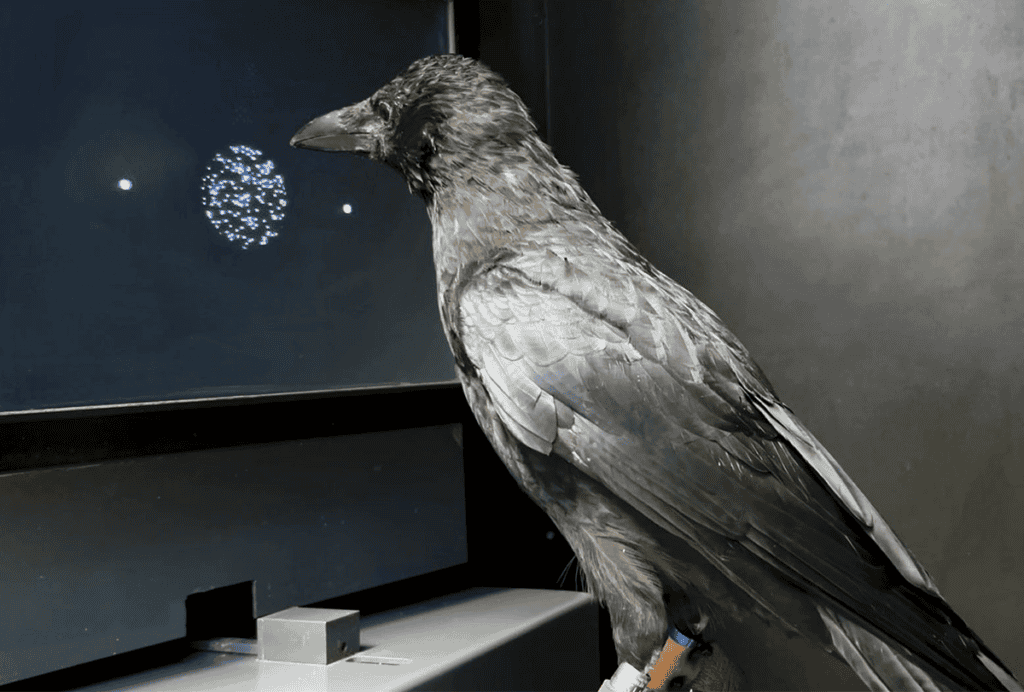
Crows have brains ‘in the fast lane’
The birds accurately complete decision-making tasks twice as fast as primates, although their endbrains look considerably different.
Crows have brains ‘in the fast lane’
The birds accurately complete decision-making tasks twice as fast as primates, although their endbrains look considerably different.
By
Sarah Thau
22 October 2026 | 4 min read

Prevalence of profound autism declines with new definition
The updated, more precise definition used in a CDC study includes adaptive scores.
Prevalence of profound autism declines with new definition
The updated, more precise definition used in a CDC study includes adaptive scores.
By
Brianna Abbott
22 October 2026 | 5 min read