Lauren Gravitz is a freelance writer and editor in Hershey, Pennsylvania, who covers health, medicine, science and the environment. Her stories have appeared in Nature, Aeon, The Economist, Technology Review, O, The Oprah Magazine and Discover, among others.
Lauren Gravitz
Freelance Writer
From this contributor
A brief history of precision self-scanning
When a researcher solved a logistical problem by going rogue, the idea proved remarkably infectious.
A brief history of precision self-scanning
By
Lauren Gravitz
21 January 2026 | 13 min read
At the intersection of autism and trauma
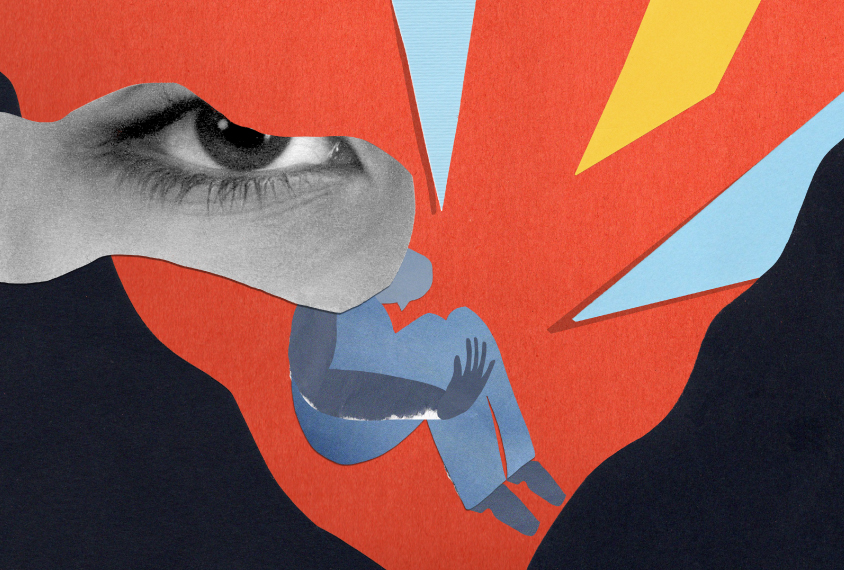
Autism and post-traumatic stress disorder share many traits, but the connection between them was largely overlooked until now.
Autism’s drug problem
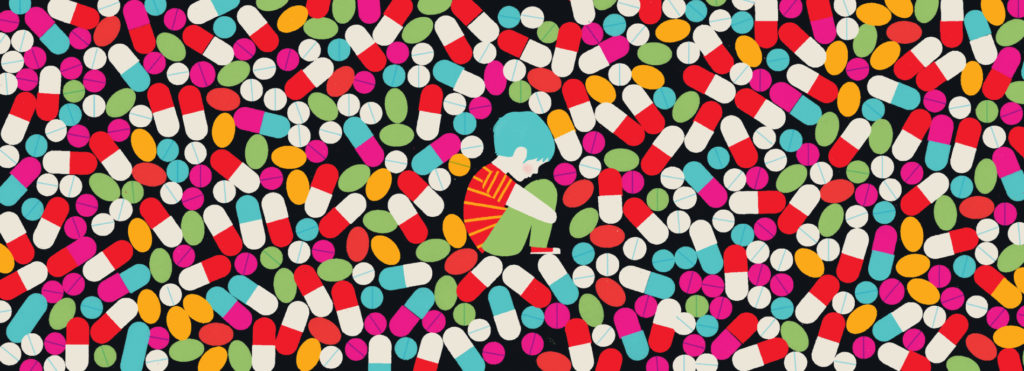
Many people on the spectrum take multiple medications — which can lead to serious side effects and may not even be effective.

Lack of DNA modification creates hotspots for mutations
The absence of a chemical alteration called methylation on some stretches of DNA makes them especially prone to mutations, according to a paper published in PLoS Genetics in May.
Lack of DNA modification creates hotspots for mutations
By
Lauren Gravitz
28 June 2012 | 4 min read
Explore more from The Transmitter
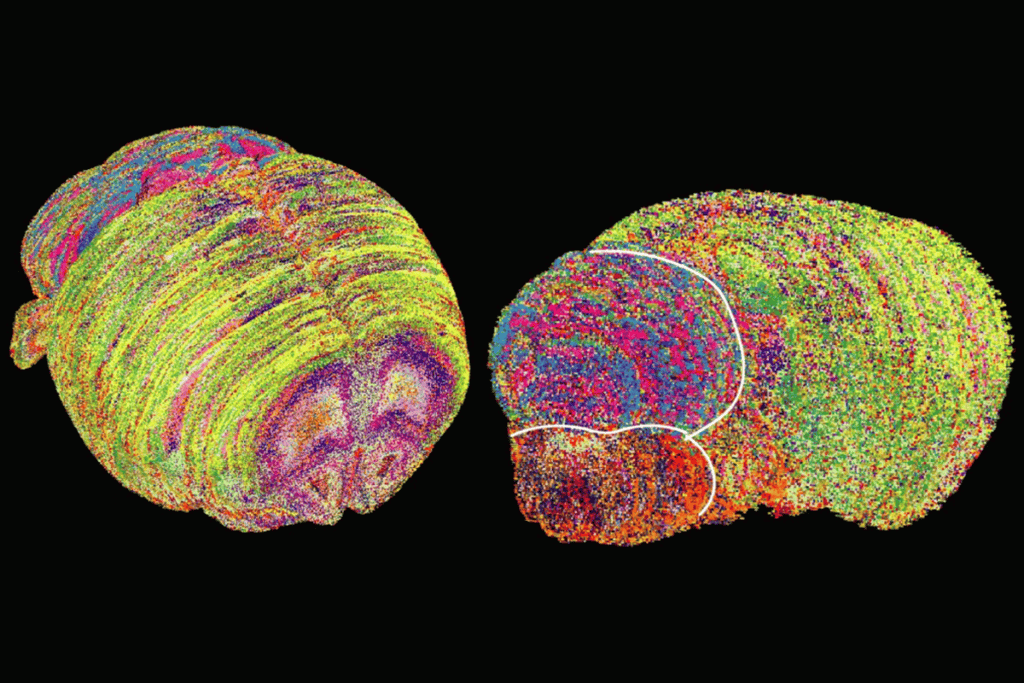
Lipids enter brain mapping limelight
Two new studies, including the first whole-brain lipid atlas in mice, uncover unforeseen complexity and influence during pregnancy and aging.
Lipids enter brain mapping limelight
Two new studies, including the first whole-brain lipid atlas in mice, uncover unforeseen complexity and influence during pregnancy and aging.
By
Lauren Schenkman
27 October 2026 | 6 min read
Behavioral phenomics in zebrafish; and more
Here is a roundup of autism-related news and research spotted around the web for the week of 26 October.
Behavioral phenomics in zebrafish; and more
Here is a roundup of autism-related news and research spotted around the web for the week of 26 October.
By
Jill Adams
27 October 2026 | 2 min read
Neuroscience gave AI its start. What happens now?
David Sussillo maps the two fields' divergent paths, and where they might still meet.
Neuroscience gave AI its start. What happens now?
David Sussillo maps the two fields' divergent paths, and where they might still meet.
By
Emily Singer
27 October 2026 | 10 min read