Somer Bishop is a clinical psychologist and professor in residence of psychiatry at the University of California, San Francisco.
Somer Bishop
Assistant professor
University of California, San Francisco
From this contributor
Rethinking autism assessments in the time of COVID-19: Q&A with Bishop, Zwaigenbaum
Moving most clinical assessments online during the coronavirus pandemic has created a digital divide while closing some geographical ones, say Somer Bishop and Lonnie Zwaigenbaum.
Rethinking autism assessments in the time of COVID-19: Q&A with Bishop, Zwaigenbaum
By
Jonathan Moens
2 November 2021 | 7 min read

Questions for Bishop, Havdahl: Tantrums trick autism tests
Children with low intelligence or behavioral issues — but not autism — may meet the criteria for autism on standard diagnostic tests.
Questions for Bishop, Havdahl: Tantrums trick autism tests
By
Ann Griswold
1 November 2016 | 5 min read

Seeking precise portraits of girls with autism
Researchers need to consider new ways of capturing how autism manifests in girls, who may find clever ways of camouflaging their symptoms.
Gauging intelligence in autism over time
Adapting traditional tests of intelligence for people with intellectual disability can deflate their scores over time. Somer Bishop calls for tests that more accurately assess intelligence in this group.
Explore more from The Transmitter
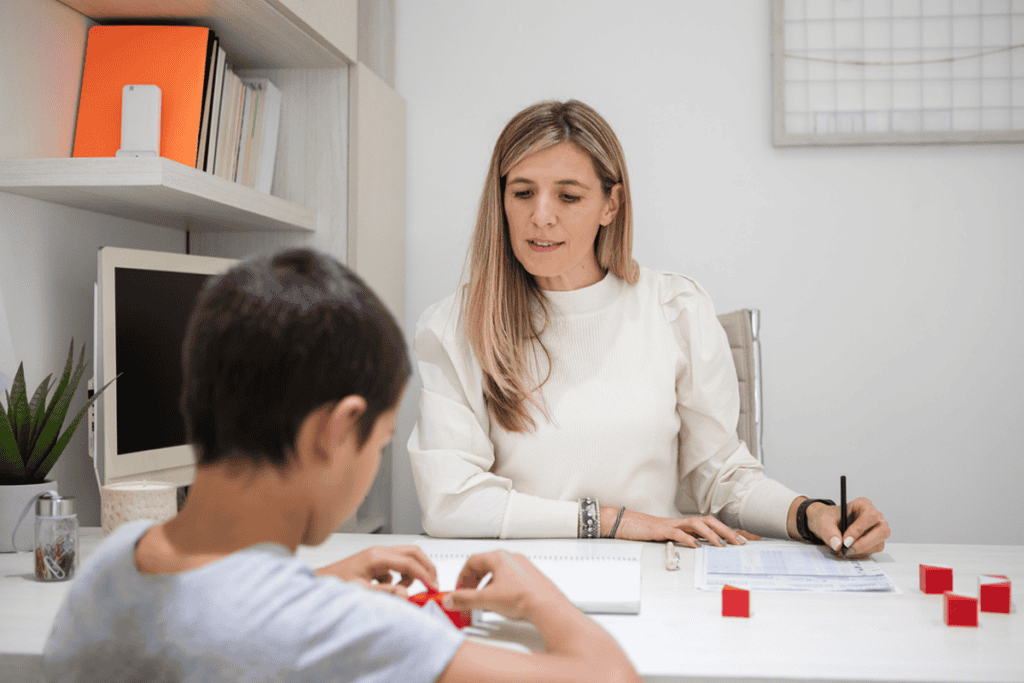
Prevalence of profound autism declines with new definition
The updated, more precise definition used in a CDC study includes adaptive scores.
Prevalence of profound autism declines with new definition
The updated, more precise definition used in a CDC study includes adaptive scores.
By
Brianna Abbott
22 October 2026 | 5 min read
Is it time for neuroscience to shift its focus from a computational mind to a navigating mind?
Andrea Hiott explains her navigational approach to the mind, and why now is the time to embrace seemingly paradoxical findings in neuroscience.
Is it time for neuroscience to shift its focus from a computational mind to a navigating mind?
Andrea Hiott explains her navigational approach to the mind, and why now is the time to embrace seemingly paradoxical findings in neuroscience.
By
Paul Middlebrooks
21 October 2026 | 1 min read
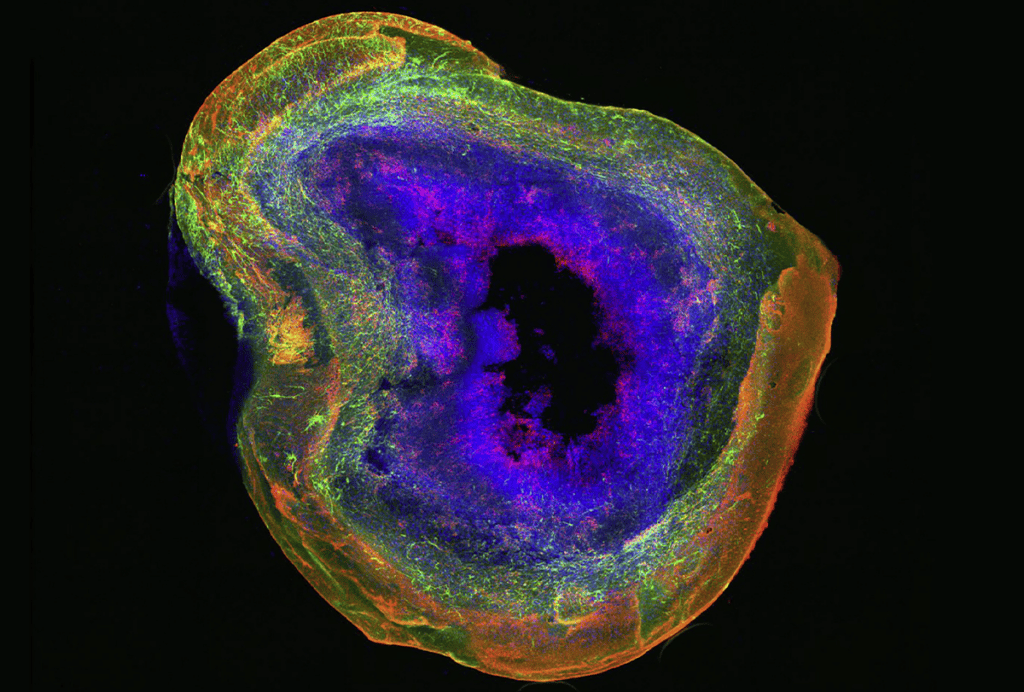
Human brain organoids come of age—but still have room to grow
The U.S. government has touted organoids as an alternative to animals for studying the brain. The model has improved since its debut in 2013, but scientists are still working to overcome key limitations: immaturity, consistency and the lack of vascularization.
Human brain organoids come of age—but still have room to grow
The U.S. government has touted organoids as an alternative to animals for studying the brain. The model has improved since its debut in 2013, but scientists are still working to overcome key limitations: immaturity, consistency and the lack of vascularization.
By
Claudia López Lloreda
21 October 2026 | 9 min read