Benjamin Landman is a child psychiatrist. He is chief resident at the Excellence Center for Autism and Neurodevelopmental Disorders at the Robert Debré Hospital, in Paris, France. He has a major interest in the identification of biomarkers in autism. He is mainly involved in the project SoNeTAA (Social Neuroscience for Therapeutic Approaches in Autism) and combines human-human and human-machine interactions with electroencephalography recording to study social cognition from a situated and reciprocal standpoint. The project aims to bridge the gap between state-of-the-art social neuroscience methods and clinical practices. He is also co-founder of the www.debrechildpsychiatry.org website.
Benjamin Landman
Chief resident
Center of Excellence for Autism Spectrum Disorders and Neurodevelopmental Disorders
From this contributor
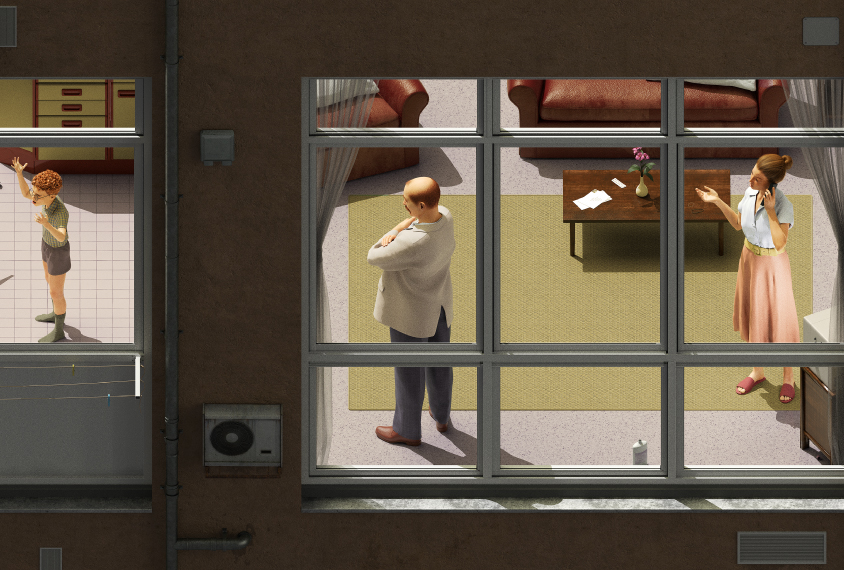
Coronavirus tool kit may aid families with autistic children during lockdown
To help families cope with the sudden loss of professional support during the pandemic, one team in France has created a set of resources and information.
Coronavirus tool kit may aid families with autistic children during lockdown
By
Richard Delorme, Benjamin Landman
21 April 2020 | 4 min read
Explore more from The Transmitter
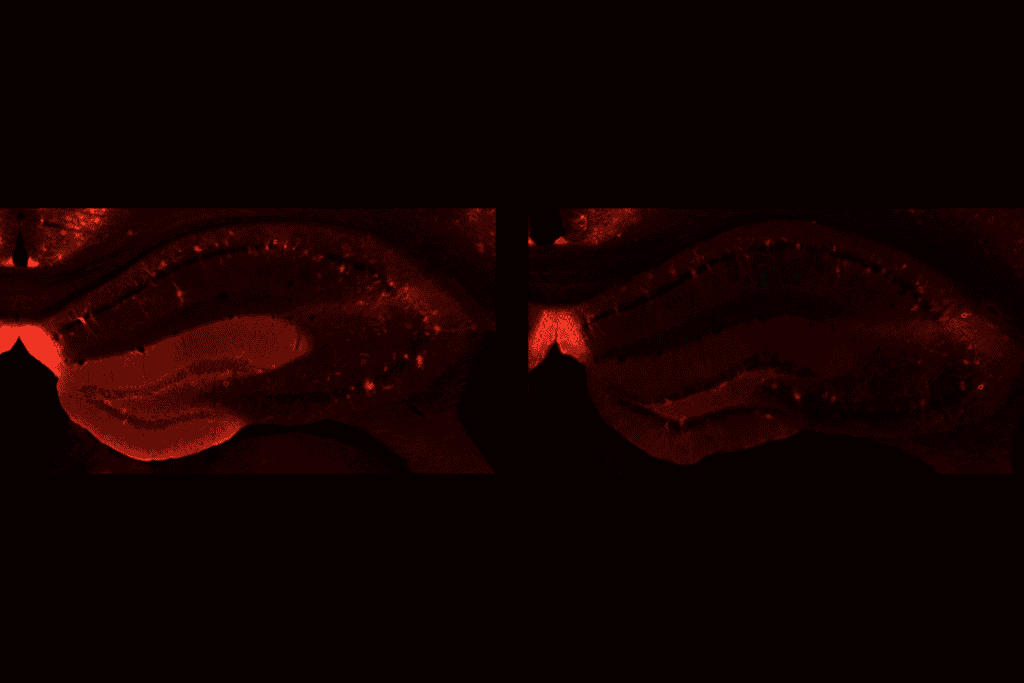
Organoids missing the TSC2 gene form rogue astrocytes; and more
Here is a roundup of autism-related news and research spotted around the web for the week of 28 September.
Organoids missing the TSC2 gene form rogue astrocytes; and more
Here is a roundup of autism-related news and research spotted around the web for the week of 28 September.
By
Jill Adams
29 September 2026 | 2 min read
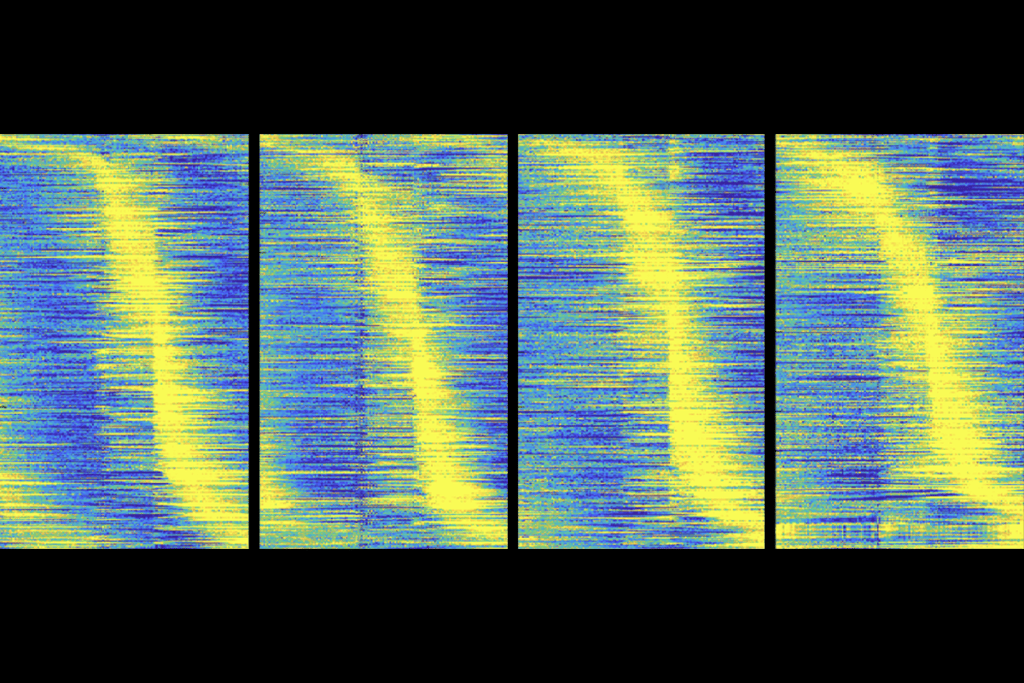
Cerebellar neurons reorient brain activity to differentiate similar behaviors
The findings provide a new perspective on how granule cells help to generalize learning across tasks.
Cerebellar neurons reorient brain activity to differentiate similar behaviors
The findings provide a new perspective on how granule cells help to generalize learning across tasks.
By
Holly Barker
29 September 2026 | 4 min read
Revisiting the neural correlates of consciousness
Life happens in real time, but experience may be composed in ragtime—like the music genre, full of offbeat notes and uneven rhythms. The assumption that waking life consists of a “stream” of conscious representations has inadvertently led consciousness science to its current impasse.
Revisiting the neural correlates of consciousness
Life happens in real time, but experience may be composed in ragtime—like the music genre, full of offbeat notes and uneven rhythms. The assumption that waking life consists of a “stream” of conscious representations has inadvertently led consciousness science to its current impasse.
By
Francis T. Fallon, Michael Pitts
28 September 2026 | 7 min read