Open neuroscience and data-sharing
Recent articles
This series of scientist-written essays explores some of the benefits and challenges of data-sharing.

Deleting data or stopping its collection will erase years of valuable brain research
An explosion in open-neuroscience datasets has created a new generation of researchers with expertise in data science. But new federal restrictions in the United States put their research programs in jeopardy.
Deleting data or stopping its collection will erase years of valuable brain research
An explosion in open-neuroscience datasets has created a new generation of researchers with expertise in data science. But new federal restrictions in the United States put their research programs in jeopardy.
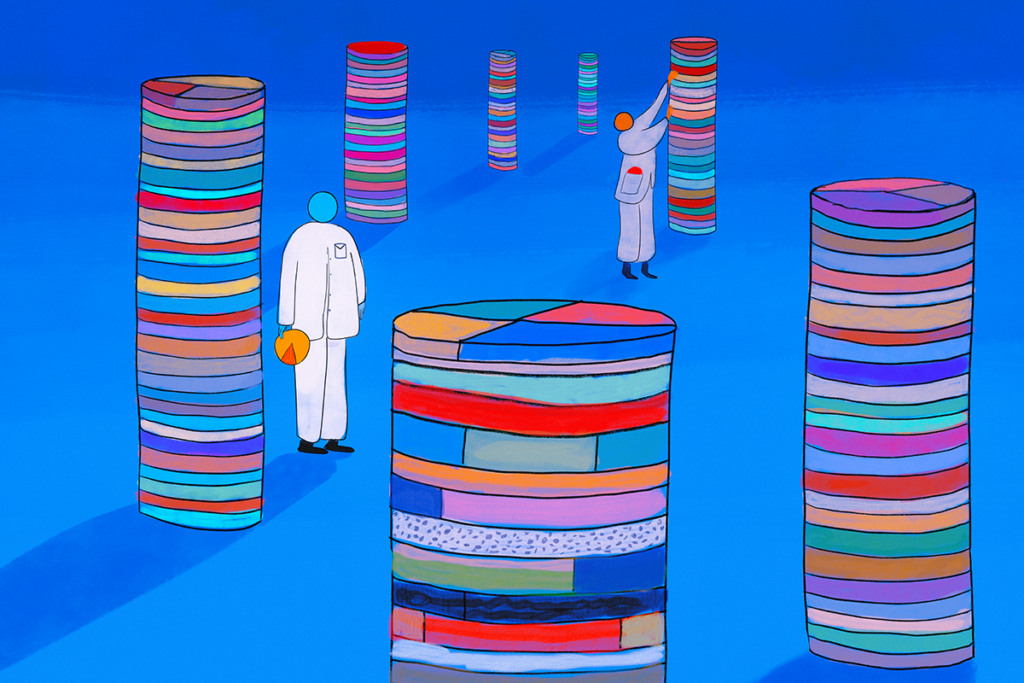
Neuroscience’s open-data revolution is just getting started
Data reuse represents an opportunity to accelerate the pace of science, reduce costs and increase the value of our collective research investments. New tools that make open data easier to use—and new pressures, including funding cuts—may increase uptake.
Neuroscience’s open-data revolution is just getting started
Data reuse represents an opportunity to accelerate the pace of science, reduce costs and increase the value of our collective research investments. New tools that make open data easier to use—and new pressures, including funding cuts—may increase uptake.
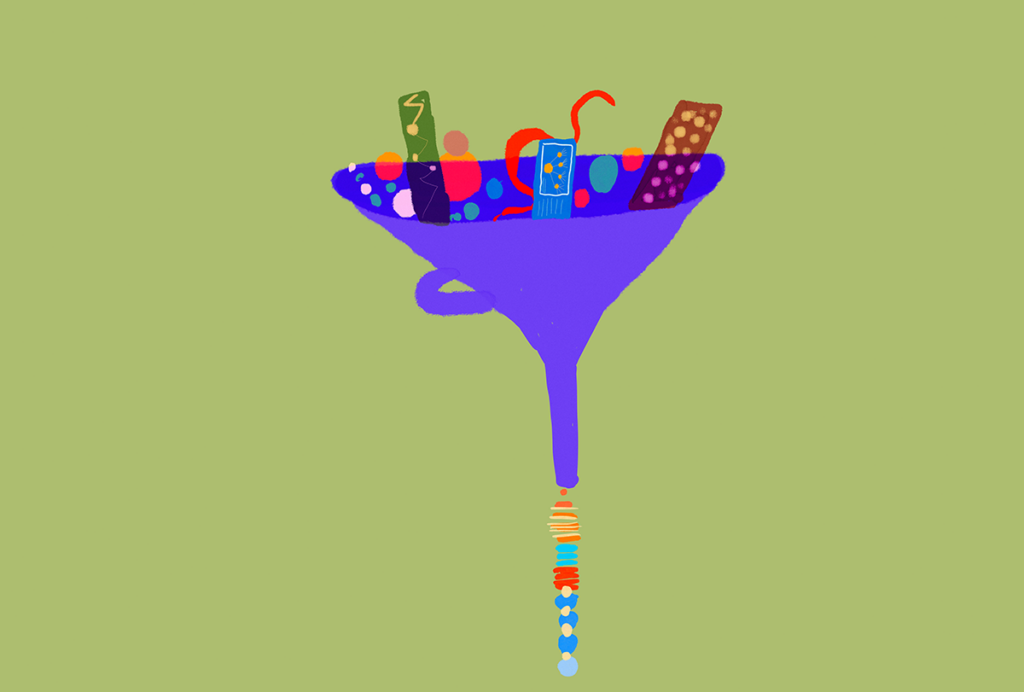
To keep or not to keep: Neurophysiology’s data dilemma
An exponential growth in data size presents neuroscientists with a significant challenge: Should we be keeping all raw data or focusing on processed datasets? I asked experimentalists and theorists for their thoughts.
To keep or not to keep: Neurophysiology’s data dilemma
An exponential growth in data size presents neuroscientists with a significant challenge: Should we be keeping all raw data or focusing on processed datasets? I asked experimentalists and theorists for their thoughts.
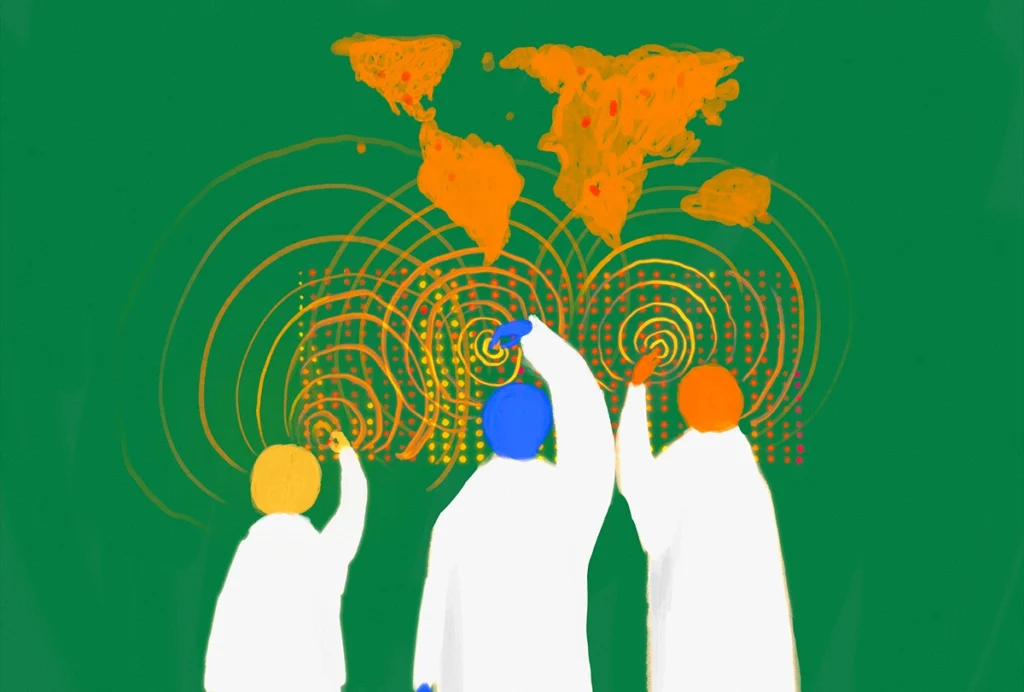
The S-index Challenge: Develop a metric to quantify data-sharing success
The NIH-sponsored effort aims to help incentivize scientists to share data. But many barriers to the widespread adoption of useful data-sharing remain.
The S-index Challenge: Develop a metric to quantify data-sharing success
The NIH-sponsored effort aims to help incentivize scientists to share data. But many barriers to the widespread adoption of useful data-sharing remain.
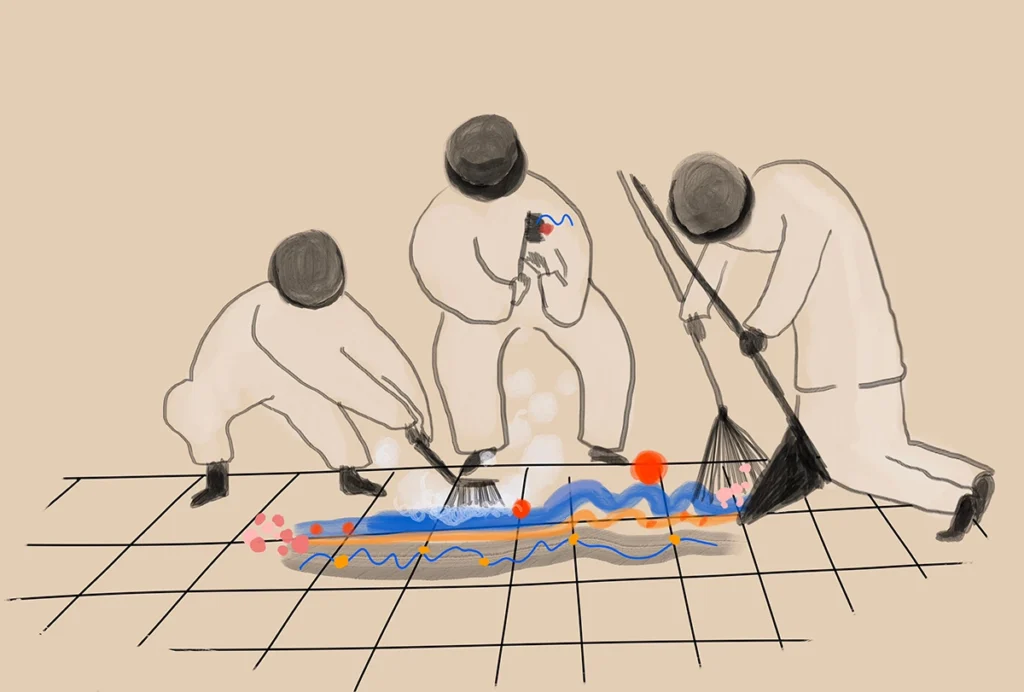
A README for open neuroscience
Making data (and code) useful for yourself automatically makes it useful for others.
A README for open neuroscience
Making data (and code) useful for yourself automatically makes it useful for others.
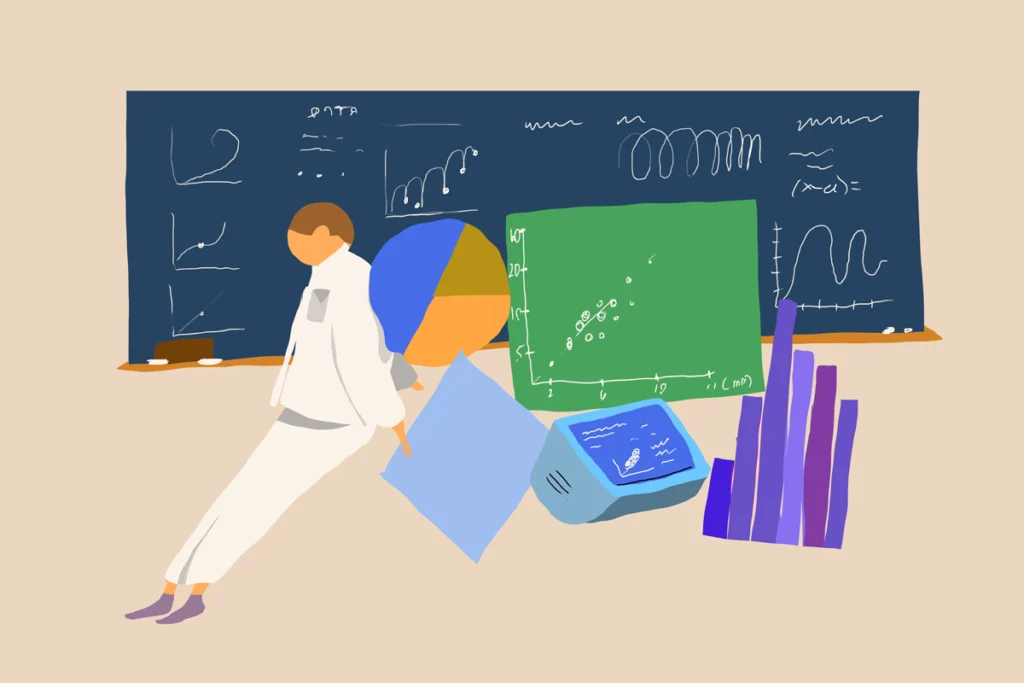
Neuroscience graduate students deserve comprehensive data-literacy education
Despite growing requirements around how to handle and share data, formal training is lacking.
Neuroscience graduate students deserve comprehensive data-literacy education
Despite growing requirements around how to handle and share data, formal training is lacking.
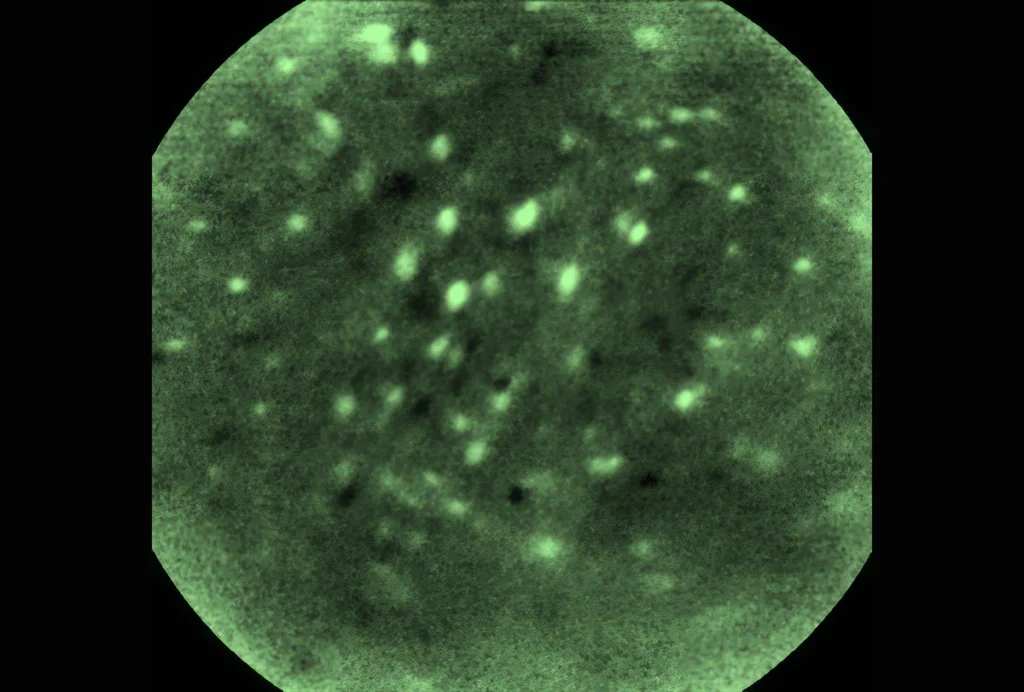
Designing an open-source microscope
Funding for the development of open-source tools is on the rise, but support for their maintenance and dissemination, both crucial for their meaningful uptake, remains a major challenge.
Designing an open-source microscope
Funding for the development of open-source tools is on the rise, but support for their maintenance and dissemination, both crucial for their meaningful uptake, remains a major challenge.
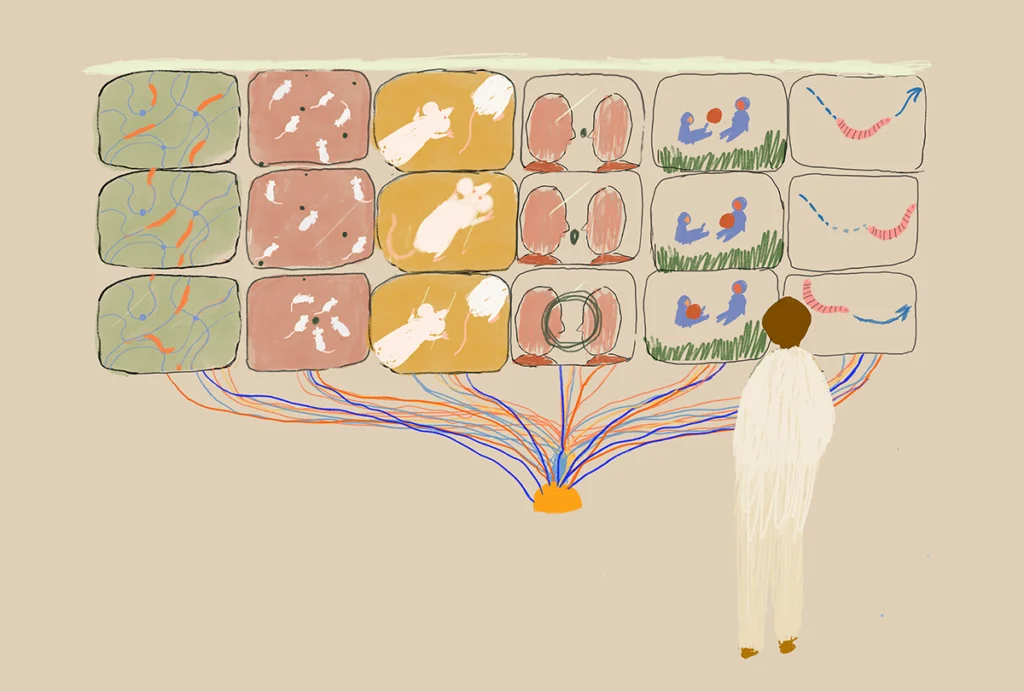
Neuroscience needs a research-video archive
Video data are enormously useful and growing rapidly, but the field lacks a searchable, shareable way to store them.
Neuroscience needs a research-video archive
Video data are enormously useful and growing rapidly, but the field lacks a searchable, shareable way to store them.
Unleashing the power of DIY innovation in behavioral neuroscience
Widespread adoption of open-source tools calls for more support and training.
Unleashing the power of DIY innovation in behavioral neuroscience
Widespread adoption of open-source tools calls for more support and training.

Pooling data points to new potential treatment for spinal cord injury
By gathering raw data from multiple labs, we identified an overlooked predictor of recovery after spinal cord injury. Many more insights remain trapped in scattered data.
Pooling data points to new potential treatment for spinal cord injury
By gathering raw data from multiple labs, we identified an overlooked predictor of recovery after spinal cord injury. Many more insights remain trapped in scattered data.
Explore more from The Transmitter
University probe leads to retraction of four neural tube studies
The University of Maryland conducted an internal investigation that identified image duplications and other data integrity issues in the studies, according to the retraction notices.
University probe leads to retraction of four neural tube studies
The University of Maryland conducted an internal investigation that identified image duplications and other data integrity issues in the studies, according to the retraction notices.

Highly cited autism paper earns expression of concern over data duplications
The notice, published in Nature last week, also addressed an image duplication identified by a prominent research-integrity sleuth.
Highly cited autism paper earns expression of concern over data duplications
The notice, published in Nature last week, also addressed an image duplication identified by a prominent research-integrity sleuth.
Govern neurodata by how it’s used, not where it’s from
New neurodata laws will shape how researchers gather, share and reuse brain data. A use-based governance protects basic researchers and those whose data are being used, without freezing science.
Govern neurodata by how it’s used, not where it’s from
New neurodata laws will shape how researchers gather, share and reuse brain data. A use-based governance protects basic researchers and those whose data are being used, without freezing science.