Deborah Rudacille earned an M.A. in science writing from Johns Hopkins University in 1998. She worked as a research writer at the Johns Hopkins Bloomberg School of Public Health and as senior science writer at the Johns Hopkins School of Medicine. Rudacille is the author of three books: The Scalpel and the Butterfly (2000), The Riddle of Gender (2004) and Roots of Steel (2010). She joined SFARI.org’s team as news editor in 2010.
Deborah Rudacille
Former News Editor
SFARI.org
From this contributor

The twenty-something free fall
Young adults with autism face many new expectations and challenges — with none of the support that is available during high school.

New clinical guidelines address gender dysphoria in autism
New recommendations urge clinicians to screen teenagers for autism when they seek treatment at gender clinics, and evaluate those with autism for gender concerns.
New clinical guidelines address gender dysphoria in autism
By
Deborah Rudacille
7 November 2016 | 5 min read

Living between genders
‘Trans’ people with autism express a gender at odds with societal expectations, or reject the male-female divide entirely. Many are breaking new ground on how identity is defined — and what it means to also have autism.
Nobel goals
On the occasion of Thomas Südhof winning the Nobel Prize in Physiology or Medicine, SFARI.org’s former news editor recalls their first meeting.
Autism rates higher among adults with low birth weight
Autism prevalence is five times higher in young adults born weighing 2,000 grams or less compared with controls, according to a study published 17 October in Pediatrics.
Autism rates higher among adults with low birth weight
By
Deborah Rudacille
31 October 2011 | 6 min read
Explore more from The Transmitter
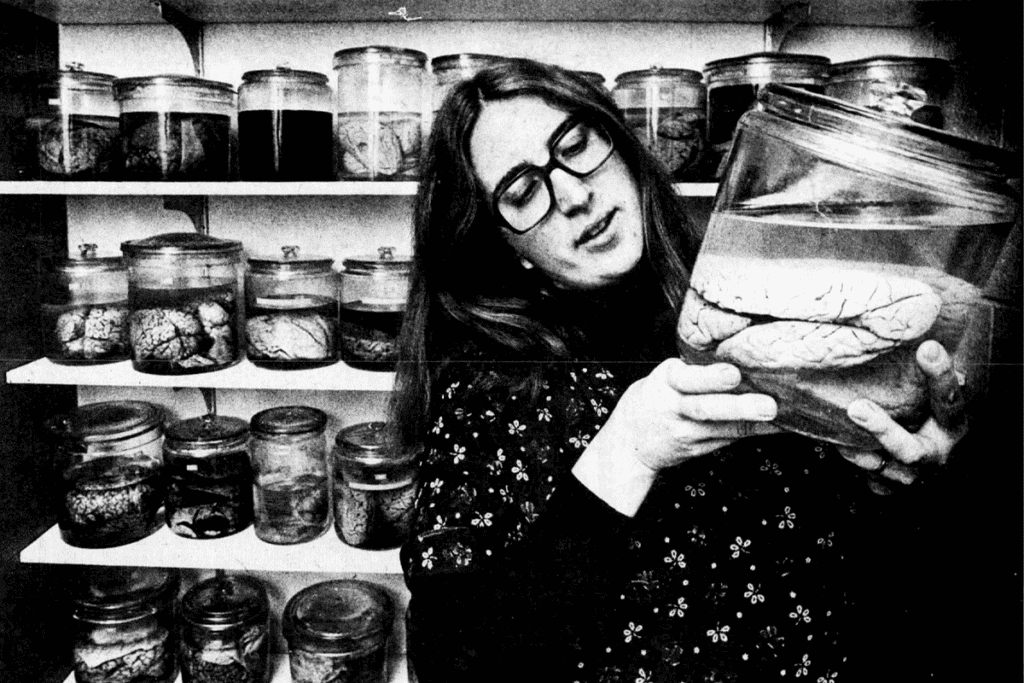
Remembering Barbara Finlay, ‘maverick’ of evolutionary neuroscience
Finlay, who died on 12 September, championed the idea that developmental constraints dictate how evolution sculpts brains, a concept she used to model the timing of hundreds of events and align them across mammalian species.
Remembering Barbara Finlay, ‘maverick’ of evolutionary neuroscience
Finlay, who died on 12 September, championed the idea that developmental constraints dictate how evolution sculpts brains, a concept she used to model the timing of hundreds of events and align them across mammalian species.
By
Calli McMurray
23 October 2026 | 8 min read
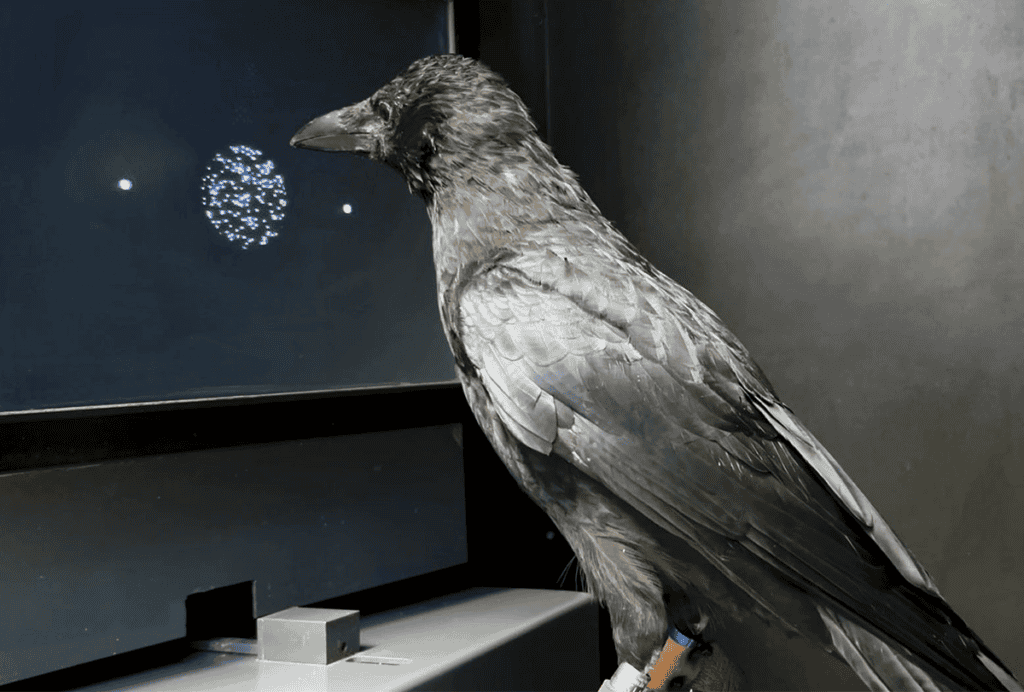
Crows have brains ‘in the fast lane’
The birds accurately complete decision-making tasks twice as fast as primates, although their endbrains look considerably different.
Crows have brains ‘in the fast lane’
The birds accurately complete decision-making tasks twice as fast as primates, although their endbrains look considerably different.
By
Sarah Thau
22 October 2026 | 4 min read

Prevalence of profound autism declines with new definition
The updated, more precise definition used in a CDC study includes adaptive scores.
Prevalence of profound autism declines with new definition
The updated, more precise definition used in a CDC study includes adaptive scores.
By
Brianna Abbott
22 October 2026 | 5 min read