Fred Volkmar is professor of child psychiatry, pediatrics and psychology at the Yale Child Study Center.

Fred Volkmar
Professor
Yale Child Study Center
From this contributor

Narrowing of ‘autism’ in DSM-5 runs counter to idea of broad spectrum
The strict definition of autism in the latest version of the diagnostic manual is antithetical to the idea that autism comes in a wide variety of forms.
Narrowing of ‘autism’ in DSM-5 runs counter to idea of broad spectrum
By
Brian Reichow, Fred Volkmar
9 May 2018 | 5 min read
Fred Volkmar: A decades-long perspective on autism research
Over the past 30 years, autism research pioneer Fred Volkmar says he has learned that researchers should be humble when assigning meaning to autism behavior, and seek to translate their findings into useful applications.
Fred Volkmar: A decades-long perspective on autism research
By
Fred Volkmar
8 November 2011 | 7 min read
Explore more from The Transmitter
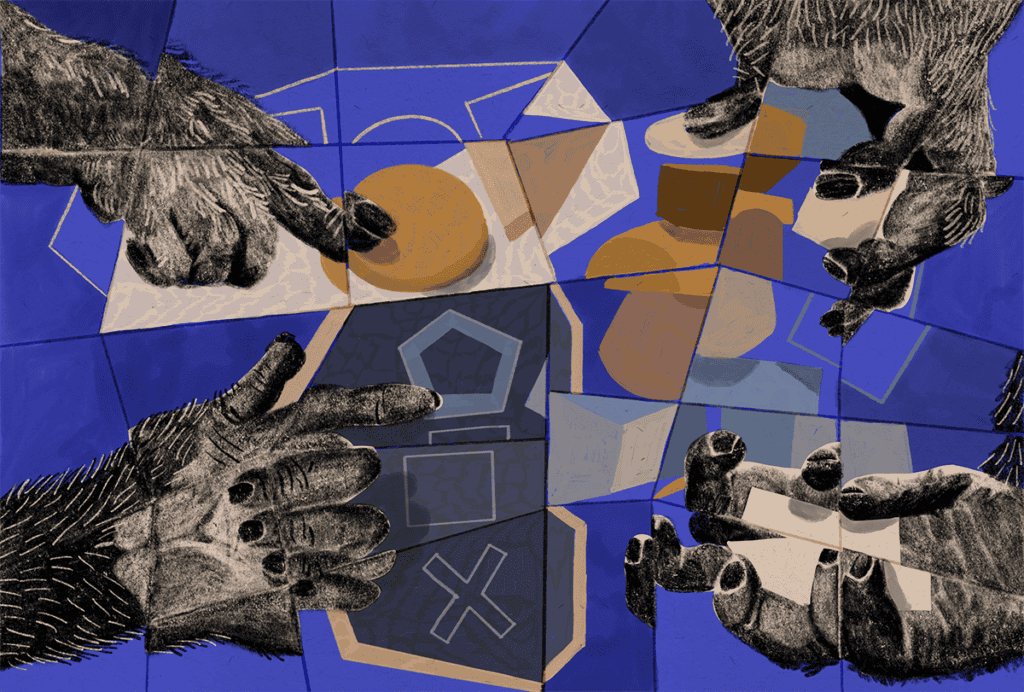
The neuroscience questions that need nonhuman primates
The Transmitter asked 17 neuroscientists what questions might remain unanswered if support for nonhuman primate research continues to decline.
The neuroscience questions that need nonhuman primates
The Transmitter asked 17 neuroscientists what questions might remain unanswered if support for nonhuman primate research continues to decline.
By
Alissa de Chassey
21 October 2026 | 10 min read
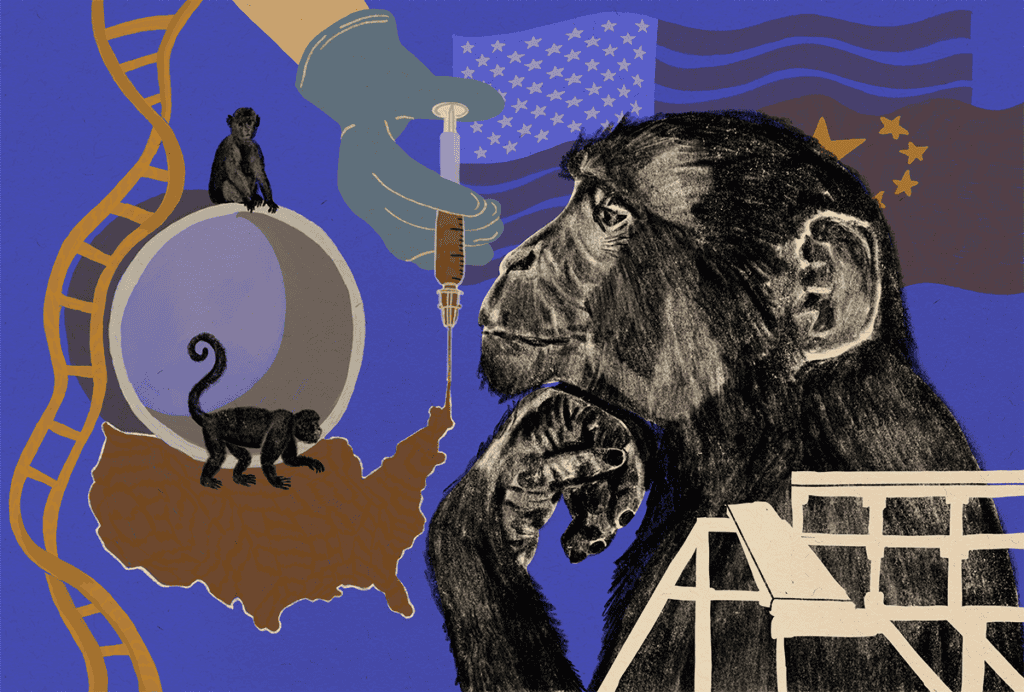
U.S. national primate research centers face an uncertain future
The facilities were meant to last 100 years. Four decades shy of that mark, amid flatlined funds and mounting political pressure, their directors are trying to find a path forward.
U.S. national primate research centers face an uncertain future
The facilities were meant to last 100 years. Four decades shy of that mark, amid flatlined funds and mounting political pressure, their directors are trying to find a path forward.
By
Calli McMurray
21 October 2026 | 12 min read
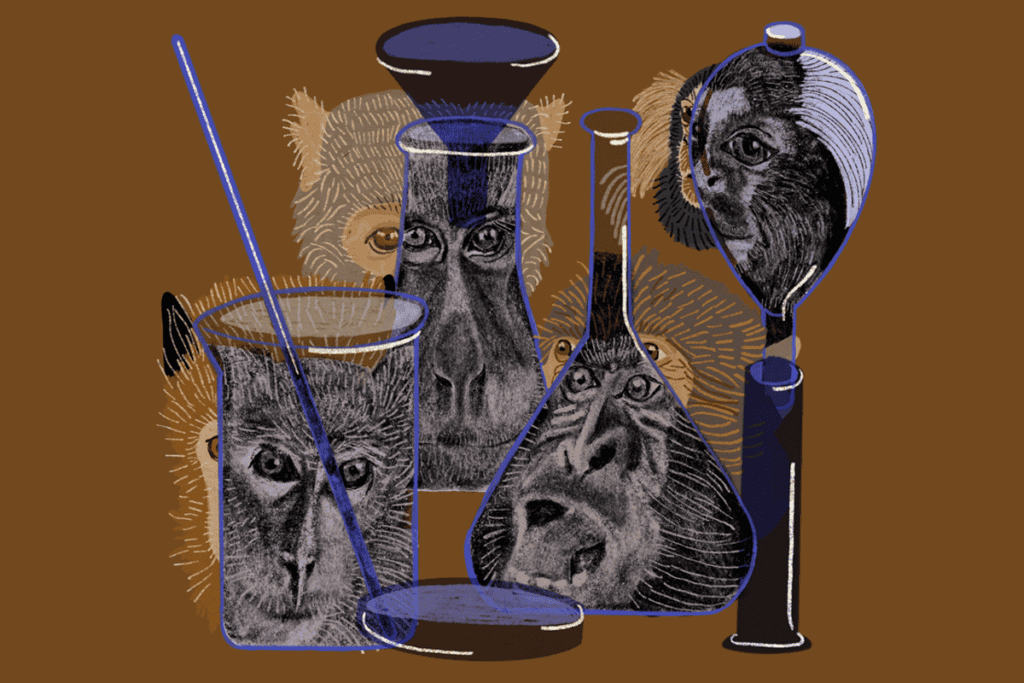
What if nonhuman primate research goes away?
As the U.S. government takes steps to stop using nonhuman primates in research, The Transmitter investigates what that shift could mean for neuroscience.
What if nonhuman primate research goes away?
As the U.S. government takes steps to stop using nonhuman primates in research, The Transmitter investigates what that shift could mean for neuroscience.
By
The Transmitter
21 October 2026 | 2 min read