Megan Scudellari is a freelance writer based in Durham, North Carolina.
Megan Scudellari
Freelance Writer
SFARI
From this contributor

Brains of toddlers with autism out of sync
Many toddlers with autism have weak connections between the two sides of the brain, according to the first-ever analysis of brain connections in young children with the disorder, published 23 June in Neuron.
Autism candidate gene implicated in social deficits
Mutations in a protein called GRIP1, important for the function of synapses — the junctions between neurons — may contribute to social deficits in autism, researchers reported 22 March in the Proceedings of the National Academy of Sciences.
Autism candidate gene implicated in social deficits
By
Megan Scudellari
28 April 2011 | 4 min read
Explore more from The Transmitter
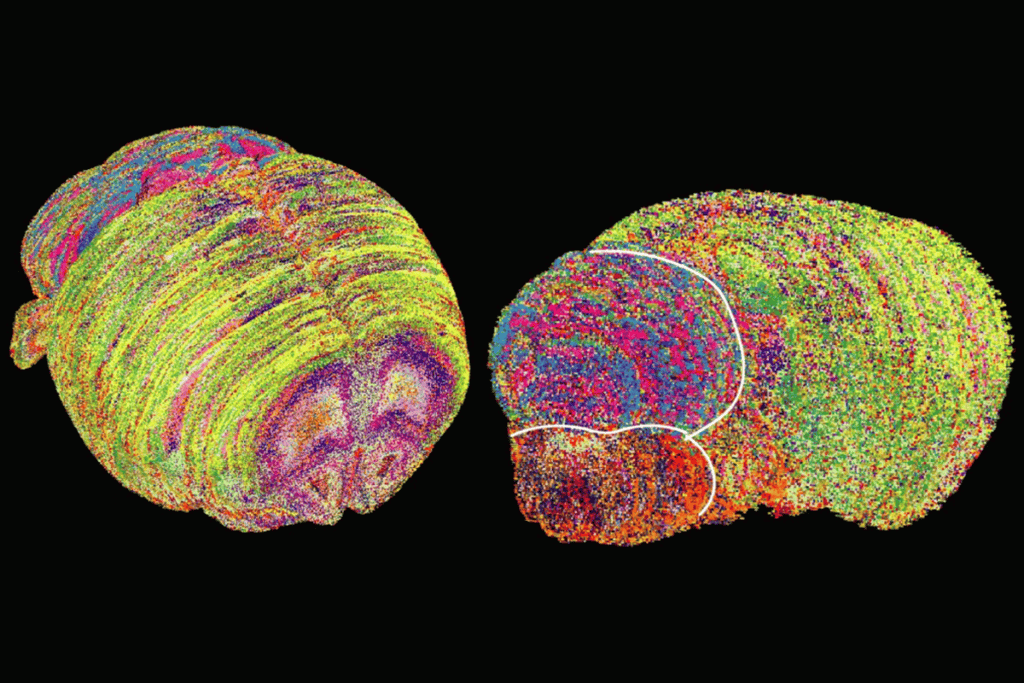
Lipids enter brain mapping limelight
Two new studies, including the first whole-brain lipid atlas in mice, uncover unforeseen complexity and influence during pregnancy and aging.
Lipids enter brain mapping limelight
Two new studies, including the first whole-brain lipid atlas in mice, uncover unforeseen complexity and influence during pregnancy and aging.
By
Lauren Schenkman
27 October 2026 | 6 min read
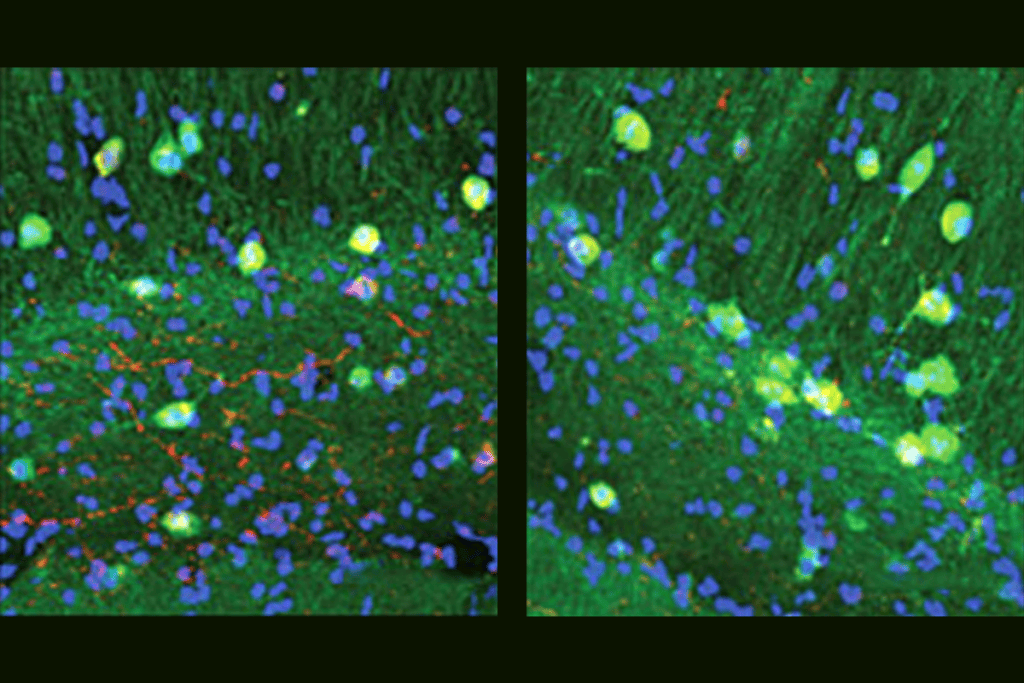
Behavioral phenomics in zebrafish; and more
Here is a roundup of autism-related news and research spotted around the web for the week of 26 October.
Behavioral phenomics in zebrafish; and more
Here is a roundup of autism-related news and research spotted around the web for the week of 26 October.
By
Jill Adams
27 October 2026 | 2 min read

Neuroscience gave AI its start. What happens now?
David Sussillo maps the two fields' divergent paths, and where they might still meet.
Neuroscience gave AI its start. What happens now?
David Sussillo maps the two fields' divergent paths, and where they might still meet.
By
Emily Singer
27 October 2026 | 10 min read