Scott Marek is assistant professor of radiology in the Mallinckrodt Institute of Radiology at Washington University School of Medicine in St. Louis. Marek received a Ph.D. in neuroscience from the University of Pittsburgh, where he gained expertise in pediatric neuroimaging with Beatriz Luna. Subsequently, he completed a postdoctoral fellowship with Nico Dosenbach at Washington University School of Medicine, where he gained expertise in functional mapping of individual brains and leveraging big data to quantify the reproducibility of brain-wide association studies. He now runs his own lab focused on precision imaging and deep phenotyping of adolescent twins with depression, as well as population neuroscience approaches using large datasets, such as the Adolescent Brain Cognitive Development (ABCD) Study.
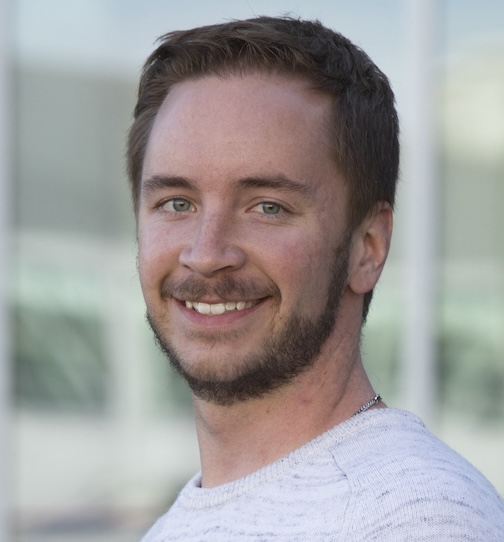
Scott Marek
Assistant professor of radiology
Washington University School of Medicine in St. Louis
From this contributor
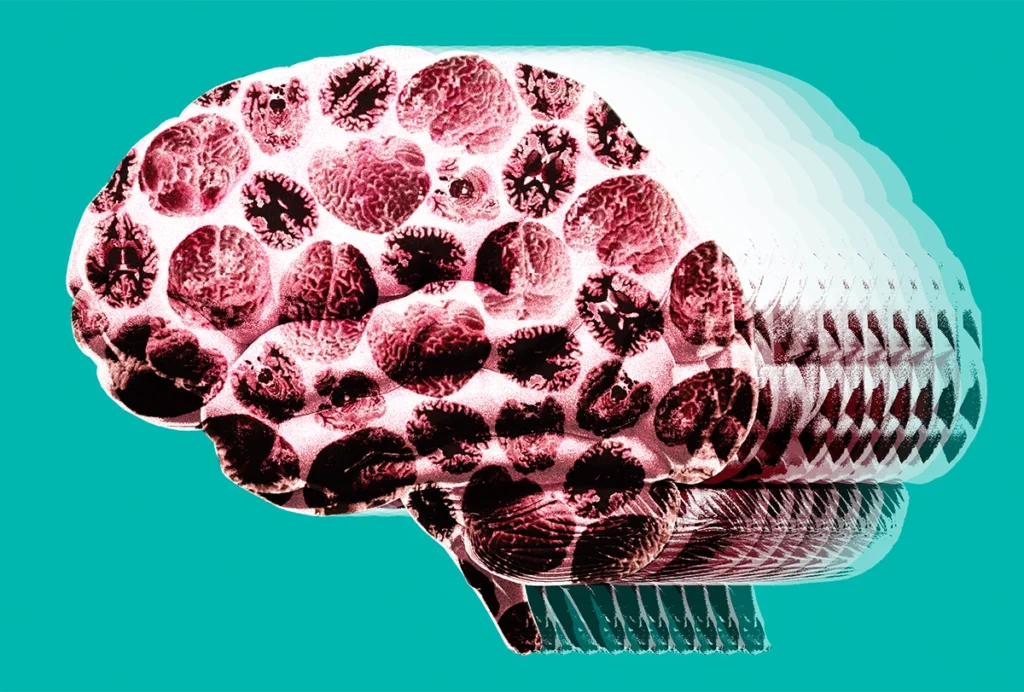
Breaking down the winner’s curse: Lessons from brain-wide association studies
We found an issue with a specific type of brain imaging study and tried to share it with the field. Then the backlash began.
Breaking down the winner’s curse: Lessons from brain-wide association studies
Explore more from The Transmitter
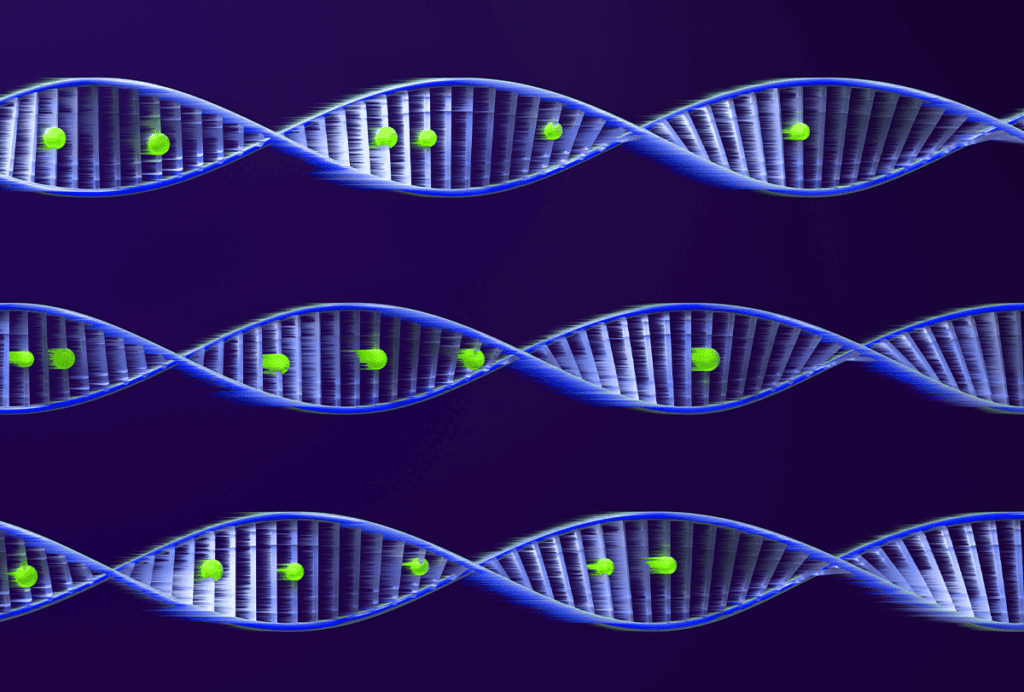
Number of autism-linked genes more than triples in new analyses
In addition to a new preprint that expands the list of genes tied to the condition, two related analyses reveal how variants in those genes contribute to genetic susceptibility.
Number of autism-linked genes more than triples in new analyses
In addition to a new preprint that expands the list of genes tied to the condition, two related analyses reveal how variants in those genes contribute to genetic susceptibility.
How does a control theorist explain cognition?
Maxim Raginsky draws on control theory, engineering and philosophy to explore what makes biological brains intelligent, what artificial intelligence is missing, and what principles underlie biological autonomy.
How does a control theorist explain cognition?
Maxim Raginsky draws on control theory, engineering and philosophy to explore what makes biological brains intelligent, what artificial intelligence is missing, and what principles underlie biological autonomy.
Holographic mesoscope reads, writes from different cortical regions simultaneously
The tool could help reveal how information transmission between areas relates to perception, cognition and behavior.
Holographic mesoscope reads, writes from different cortical regions simultaneously
The tool could help reveal how information transmission between areas relates to perception, cognition and behavior.