Scott Myers is a neurodevelopmental pediatrician and associate professor of pediatrics at the Autism & Developmental Medicine Institute at Geisinger in Lewisburg, Pennsylvania.

Scott Myers
Associate professor
Autism & Developmental Medicine Institute at Geisinger
From this contributor
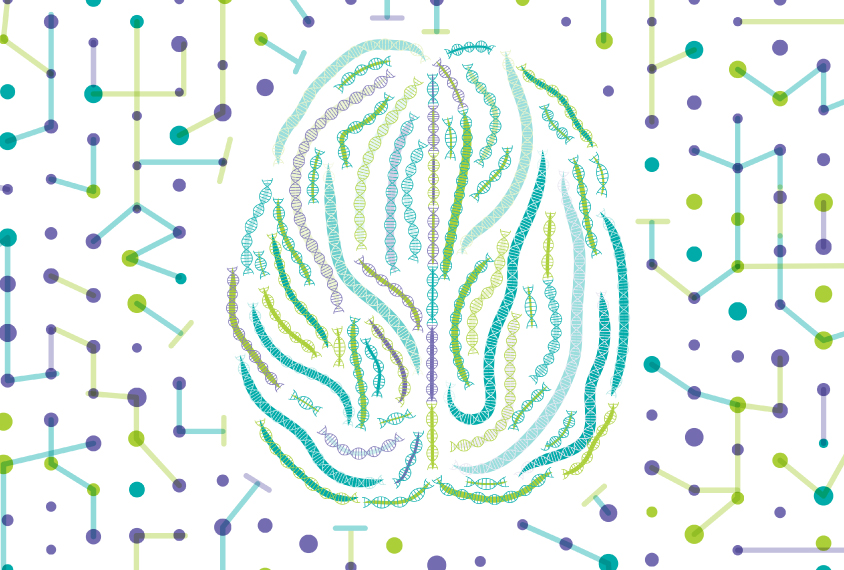
There are no autism-specific genes, just brain genes
There is not yet a single example of a gene that, when mutated, increases the likelihood of autism but not of other neurodevelopmental conditions, including intellectual disability.
There are no autism-specific genes, just brain genes
By
David Ledbetter, Scott Myers
23 March 2021 | 5 min read
Explore more from The Transmitter
Funding for animal research alternatives reaches ‘inflection point’
The United States and Europe are dedicating hundreds of millions of dollars in funding to advance novel alternative methods, but not all neuroscientists see this as a positive step.
Funding for animal research alternatives reaches ‘inflection point’
The United States and Europe are dedicating hundreds of millions of dollars in funding to advance novel alternative methods, but not all neuroscientists see this as a positive step.
By
Claudia López Lloreda
26 March 2026 | 4 min read

‘Friction-maxxing’ in school: Students should read primary literature, not AI summaries
Trainees need to learn how to identify a neuroscience paper’s major takeaways and integrate them into their understanding. This skill doesn’t come from outsourcing the work to large language models.
‘Friction-maxxing’ in school: Students should read primary literature, not AI summaries
Trainees need to learn how to identify a neuroscience paper’s major takeaways and integrate them into their understanding. This skill doesn’t come from outsourcing the work to large language models.
By
Nora Bradford
26 March 2026 | 5 min read
Head direction cells stably orient mice to outside world
The cells’ representations show little drift over time—unlike those of other navigation system neurons—and may provide a “rigid backbone” for more flexible sensory and cognitive responses.
Head direction cells stably orient mice to outside world
The cells’ representations show little drift over time—unlike those of other navigation system neurons—and may provide a “rigid backbone” for more flexible sensory and cognitive responses.
By
Angie Voyles Askham
25 March 2026 | 0 min watch