Empathy
Recent articles
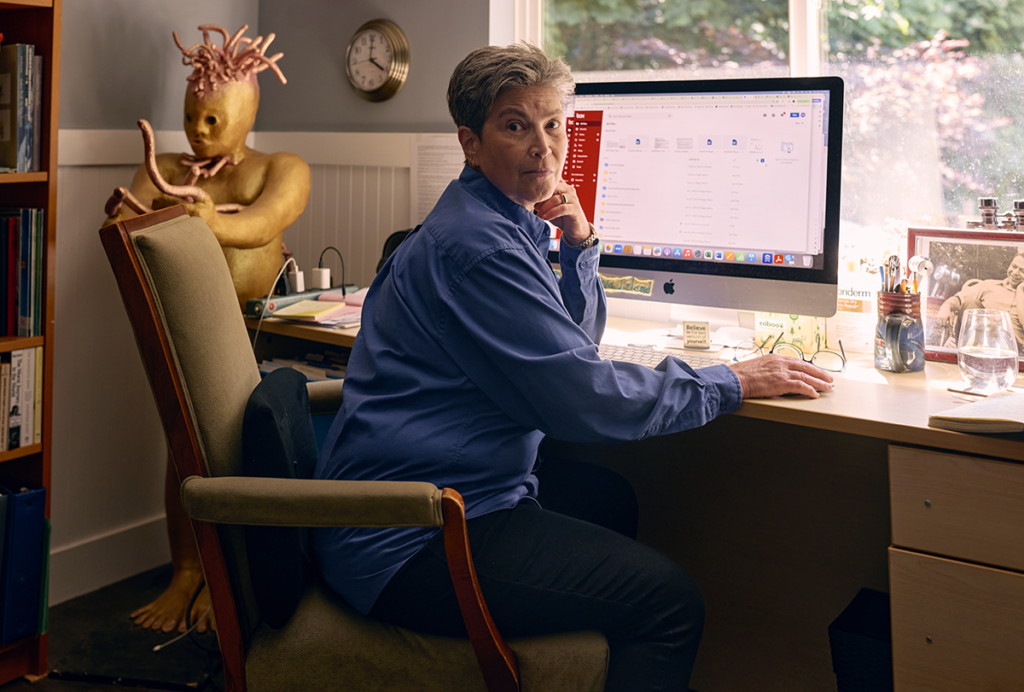
Up and out with Peggy Mason
Mason helped define the rodent prosocial behavior field, but now she’s changing course.
Up and out with Peggy Mason
Mason helped define the rodent prosocial behavior field, but now she’s changing course.
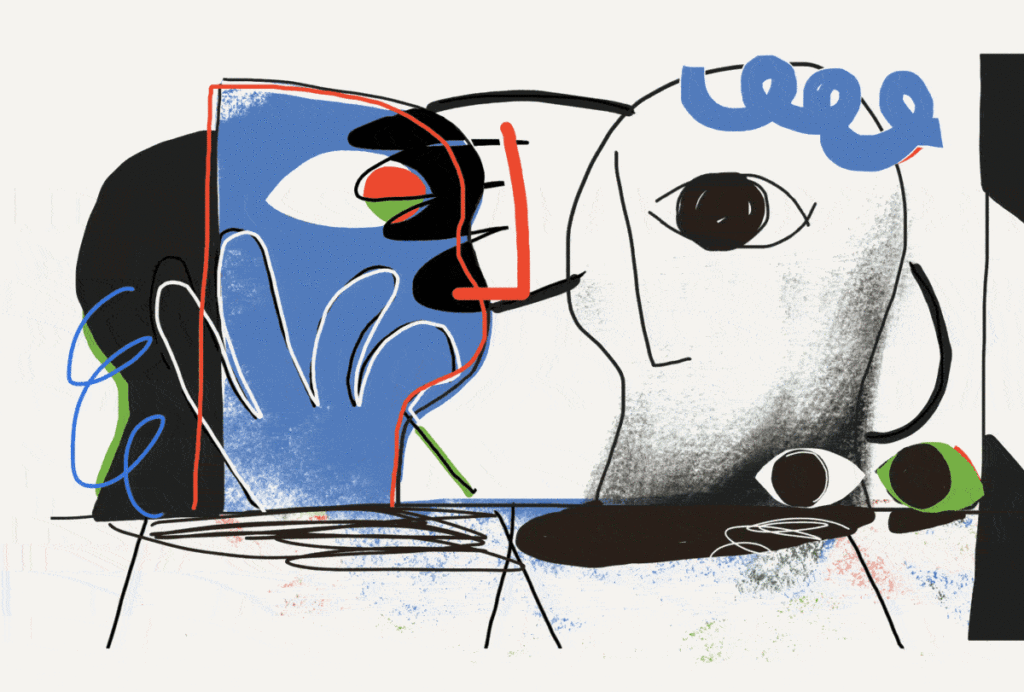
The case for redefining ‘theory of mind’: Q&A with François Quesque
In a new commentary, Quesque and 44 experts in neuroscience and psychology propose a standardized lexicon for research on the attribution of mental states.
The case for redefining ‘theory of mind’: Q&A with François Quesque
In a new commentary, Quesque and 44 experts in neuroscience and psychology propose a standardized lexicon for research on the attribution of mental states.
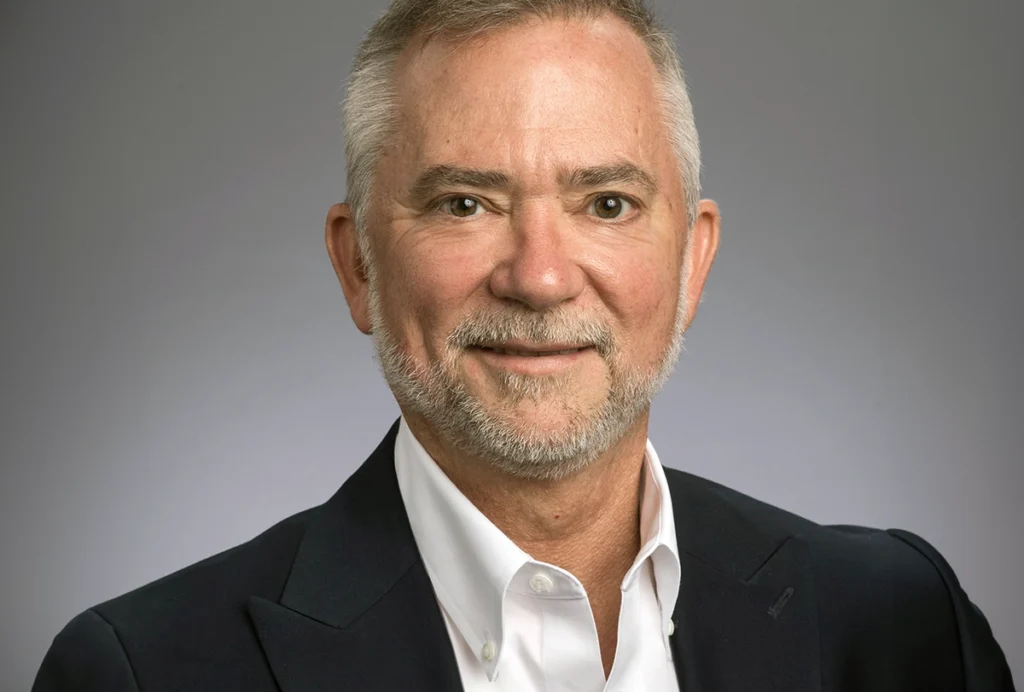
Larry Young built bridges with his social neuroscience research
Known for his work bringing oxytocin studies to the mainstream, Young died unexpectedly last month.
Larry Young built bridges with his social neuroscience research
Known for his work bringing oxytocin studies to the mainstream, Young died unexpectedly last month.
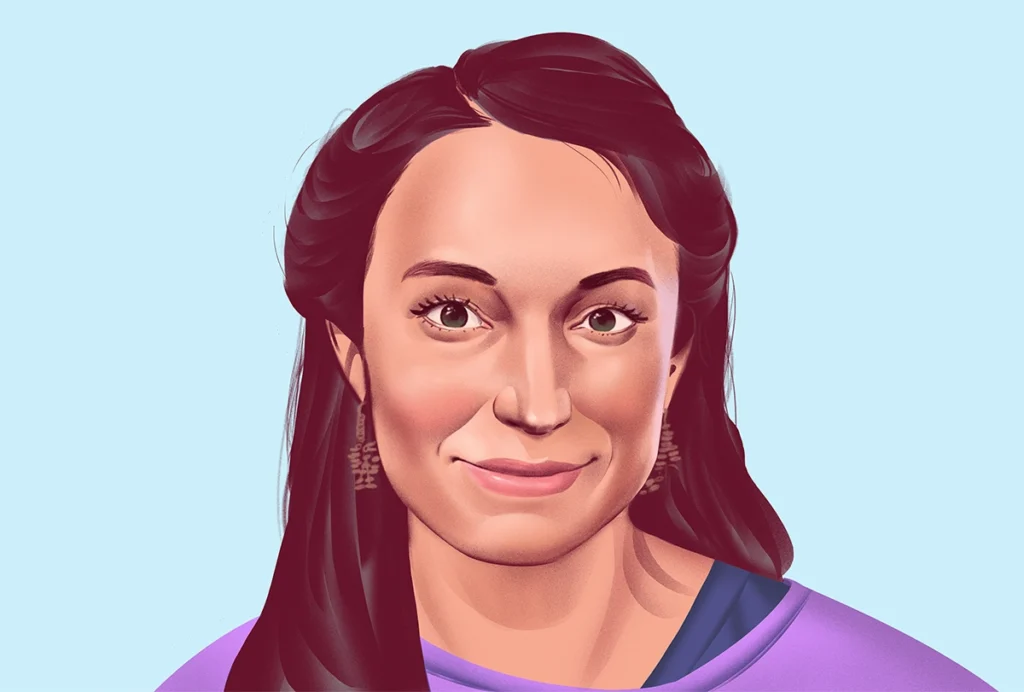
Setting up a frog colony and pair bonding with Lauren O’Connell
To become a scientist, O’Connell first needed to leave the family farm.
Setting up a frog colony and pair bonding with Lauren O’Connell
To become a scientist, O’Connell first needed to leave the family farm.
Noah Sasson: Connecting with the autistic community
Intentional interactions with autistic people led Sasson to refocus his research.
Noah Sasson: Connecting with the autistic community
Intentional interactions with autistic people led Sasson to refocus his research.
How losing a parent helped shape David Mandell’s approach to autism research
Autism’s “fearless” researcher takes on the big questions.
How losing a parent helped shape David Mandell’s approach to autism research
Autism’s “fearless” researcher takes on the big questions.
Null and Noteworthy: Metacognition, balovaptan bust, pattern recognition
This month, we pore over null results from a study of the accuracy of emotion recognition skills in autistic people, clinical trials of a vasopressin drug called balovaptan, and an analysis of ‘systemizing’ abilities in autistic children.
Null and Noteworthy: Metacognition, balovaptan bust, pattern recognition
This month, we pore over null results from a study of the accuracy of emotion recognition skills in autistic people, clinical trials of a vasopressin drug called balovaptan, and an analysis of ‘systemizing’ abilities in autistic children.
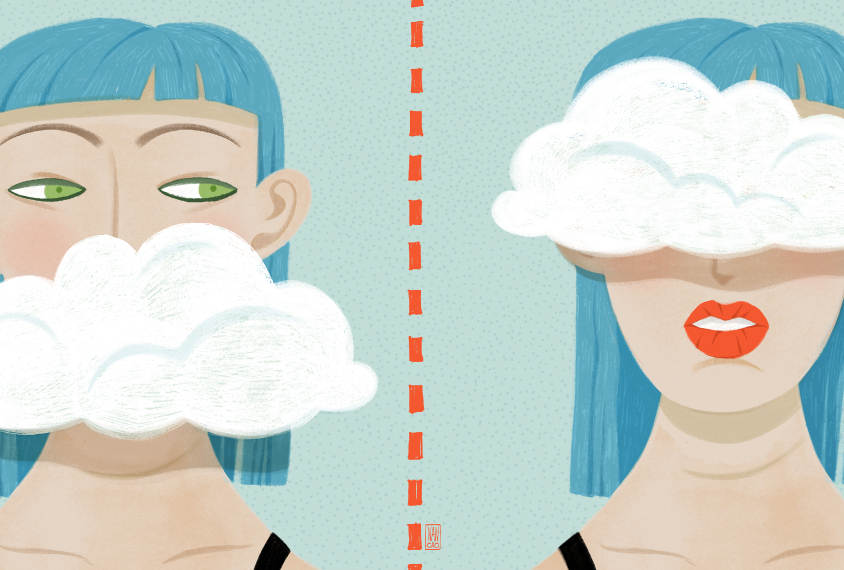
Double empathy, explained
The double empathy theory challenges the idea that social difficulties are specific to autism and suggests that problems arise from a mismatch in perspective between autistic and non-autistic people.
Double empathy, explained
The double empathy theory challenges the idea that social difficulties are specific to autism and suggests that problems arise from a mismatch in perspective between autistic and non-autistic people.

Single neurons may power key ‘theory of mind’ skills
A subset of brain cells signal when someone tries to infer another person’s thoughts, according to a new study.
Single neurons may power key ‘theory of mind’ skills
A subset of brain cells signal when someone tries to infer another person’s thoughts, according to a new study.
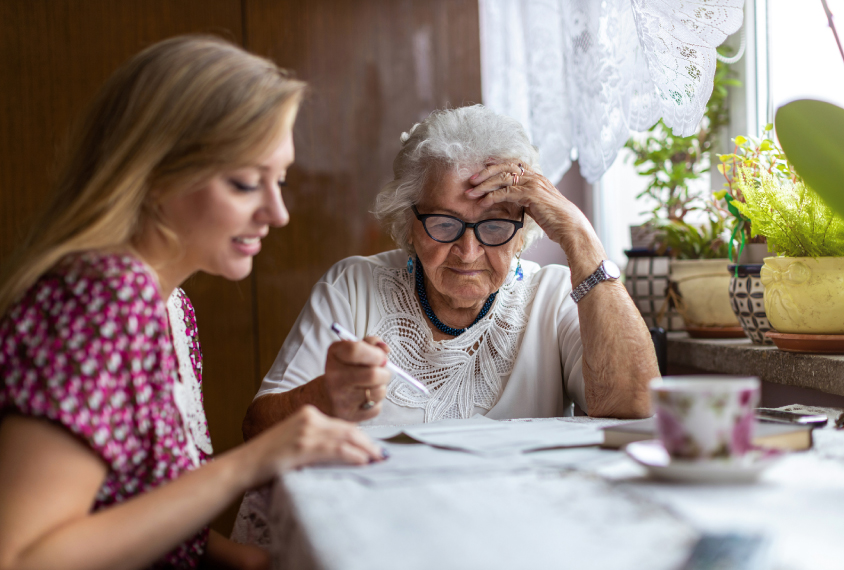
‘Theory of mind’ does not fade with age among autistic adults
Autistic people's ability to understand another person's thinking does not diminish with age, as it does for non-autistic people.
‘Theory of mind’ does not fade with age among autistic adults
Autistic people's ability to understand another person's thinking does not diminish with age, as it does for non-autistic people.
Explore more from The Transmitter
How new technologies can bring primatologists and systems neuroscientists together
The two groups study the same behavioral phenomena yet rarely interact or read each other's work—a mutual blind spot that weakens both fields. New technologies offer a chance to bring them together.
How new technologies can bring primatologists and systems neuroscientists together
The two groups study the same behavioral phenomena yet rarely interact or read each other's work—a mutual blind spot that weakens both fields. New technologies offer a chance to bring them together.
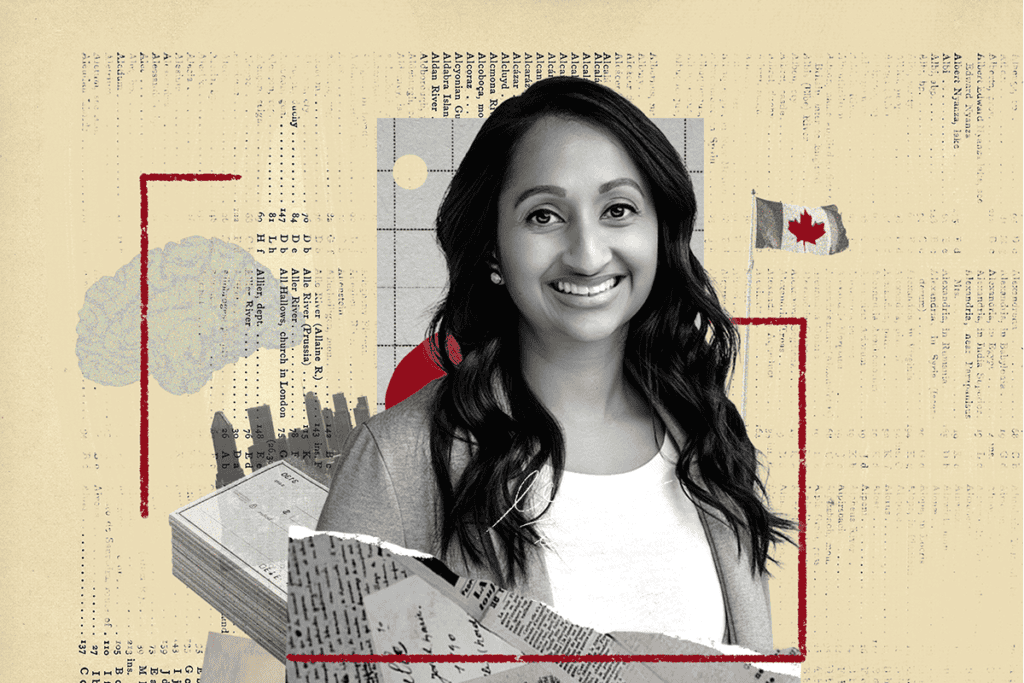
Creating community through grant support
Fiona Sanderson, a senior program manager at the Brain Canada Foundation, shares how she got into grant administration and how she helps connect researchers with funding and one another.
Creating community through grant support
Fiona Sanderson, a senior program manager at the Brain Canada Foundation, shares how she got into grant administration and how she helps connect researchers with funding and one another.
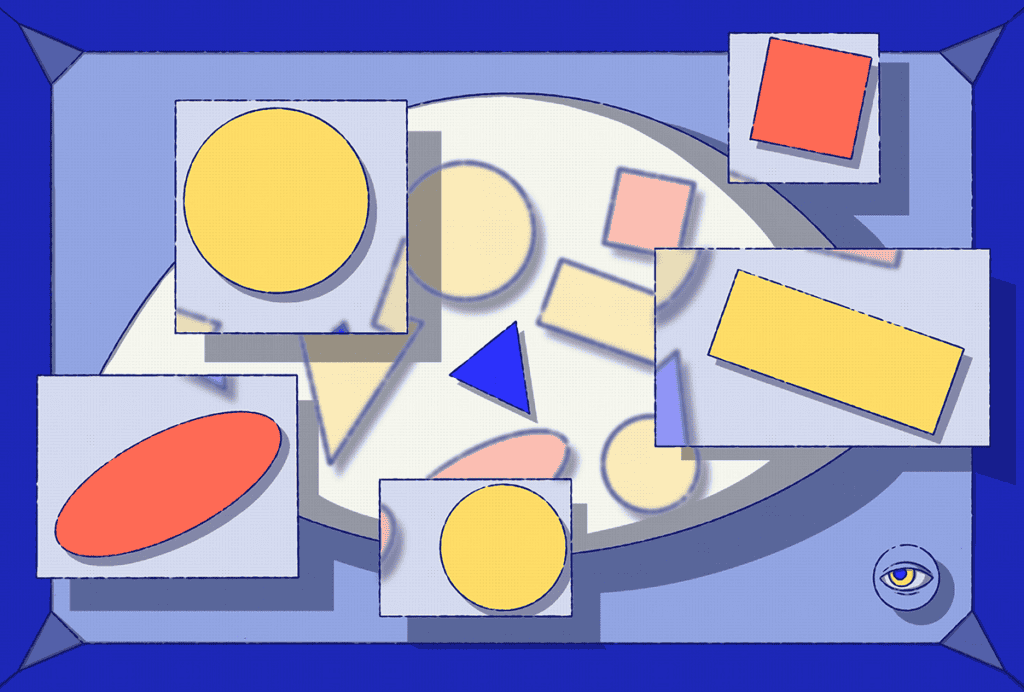
This paper changed my life: A first glimpse into the ‘middle’ of brain processing
Work by Jeffrey Moran and Robert Desimone showed that monkeys could focus their attention on different stimuli in their visual field without shifting their gaze. Their work marked a key milestone in the emergence of cognitive neuroscience.
This paper changed my life: A first glimpse into the ‘middle’ of brain processing
Work by Jeffrey Moran and Robert Desimone showed that monkeys could focus their attention on different stimuli in their visual field without shifting their gaze. Their work marked a key milestone in the emergence of cognitive neuroscience.