PMDSF 2012
Recent articles
In Phelan-McDermid, motor neurons show irregularities
Motor neurons derived from individuals with Phelan-McDermid syndrome, a rare autism-related disorder, form abnormal connections with muscle cells. The unpublished research was presented 26 July at a meeting of the Phelan-McDermid Syndrome Foundation in Orlando.
In Phelan-McDermid, motor neurons show irregularities
Motor neurons derived from individuals with Phelan-McDermid syndrome, a rare autism-related disorder, form abnormal connections with muscle cells. The unpublished research was presented 26 July at a meeting of the Phelan-McDermid Syndrome Foundation in Orlando.
Scientists track adult regression in autism-related syndrome
Several scientists at the Phelan-McDermid Syndrome Foundation's annual meeting focused on the wide range of symptoms, including a sudden loss of motor and cognitive skills, that seem to crop up in adults with the disorder.
Scientists track adult regression in autism-related syndrome
Several scientists at the Phelan-McDermid Syndrome Foundation's annual meeting focused on the wide range of symptoms, including a sudden loss of motor and cognitive skills, that seem to crop up in adults with the disorder.
Explore more from The Transmitter
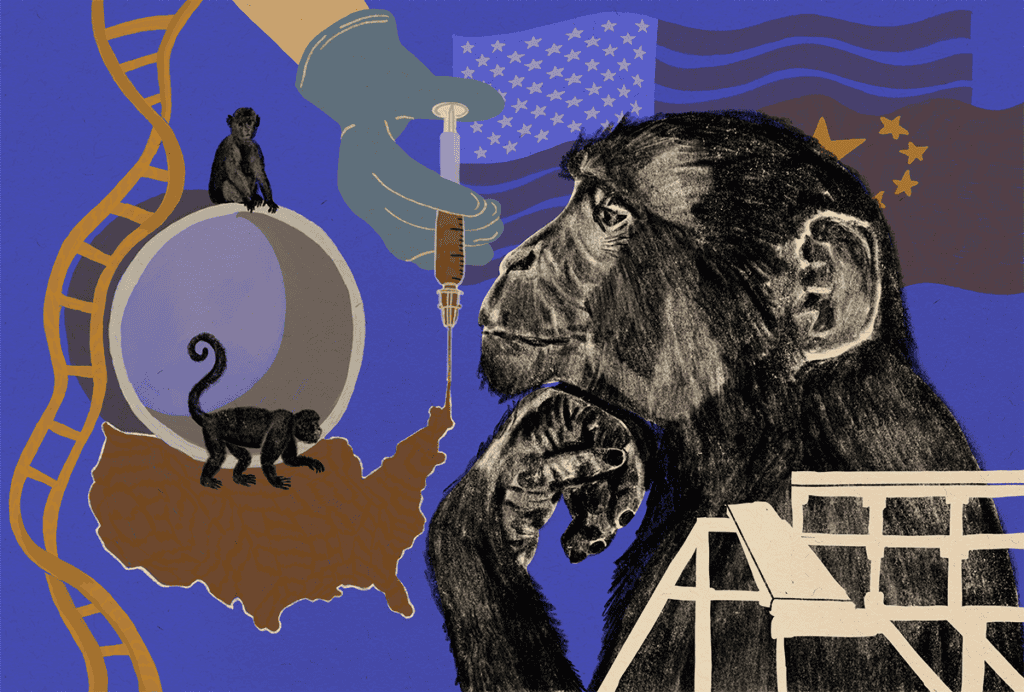
U.S. national primate research centers face an uncertain future
The facilities were meant to last 100 years. Four decades shy of that mark, amid flatlined funds and mounting political pressure, their directors are trying to find a path forward.
U.S. national primate research centers face an uncertain future
The facilities were meant to last 100 years. Four decades shy of that mark, amid flatlined funds and mounting political pressure, their directors are trying to find a path forward.
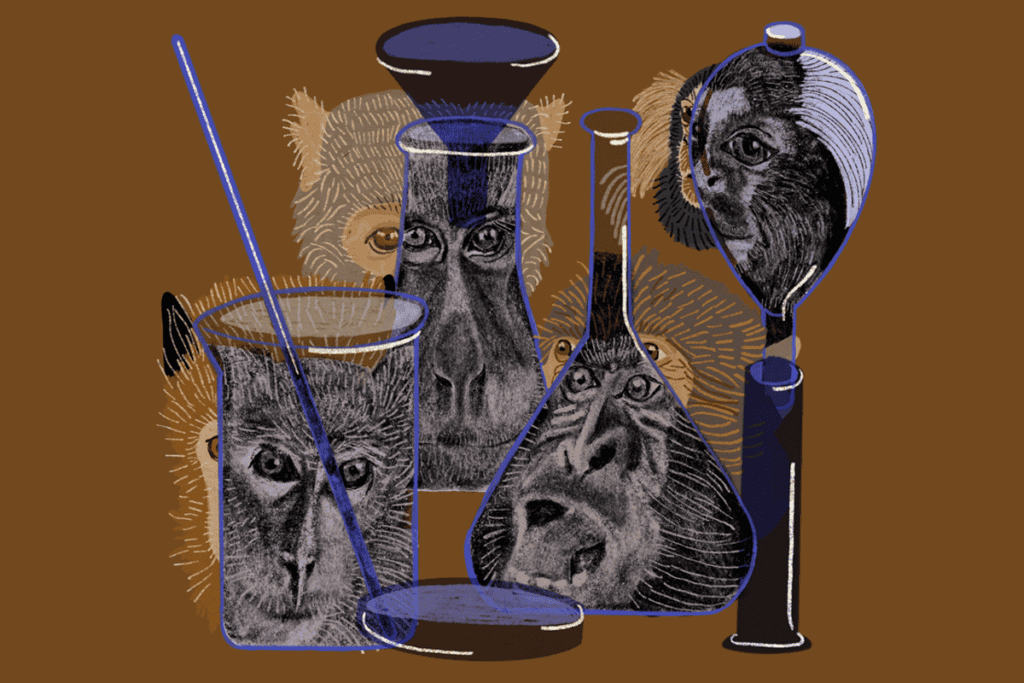
What if nonhuman primate research goes away?
As the U.S. government takes steps to stop using nonhuman primates in research, The Transmitter investigates what that shift could mean for neuroscience.
What if nonhuman primate research goes away?
As the U.S. government takes steps to stop using nonhuman primates in research, The Transmitter investigates what that shift could mean for neuroscience.
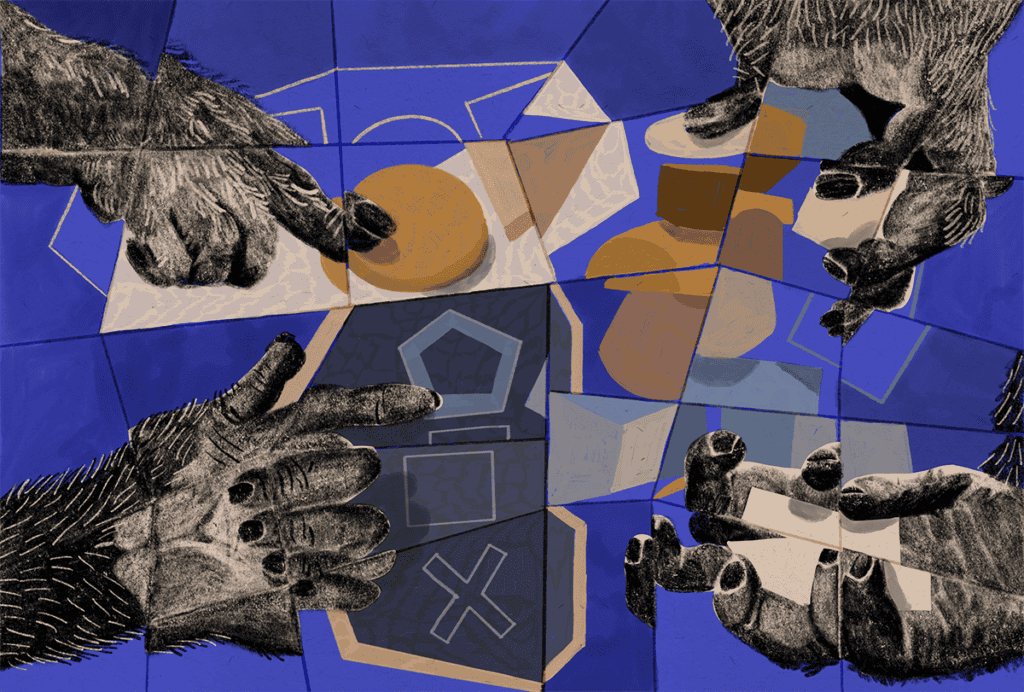
The neuroscience questions that need nonhuman primates
The Transmitter asked 17 neuroscientists what questions might remain unanswered if support for nonhuman primate research continues to decline.
The neuroscience questions that need nonhuman primates
The Transmitter asked 17 neuroscientists what questions might remain unanswered if support for nonhuman primate research continues to decline.