Family ties
Recent articles
How ordinary people influence autism research
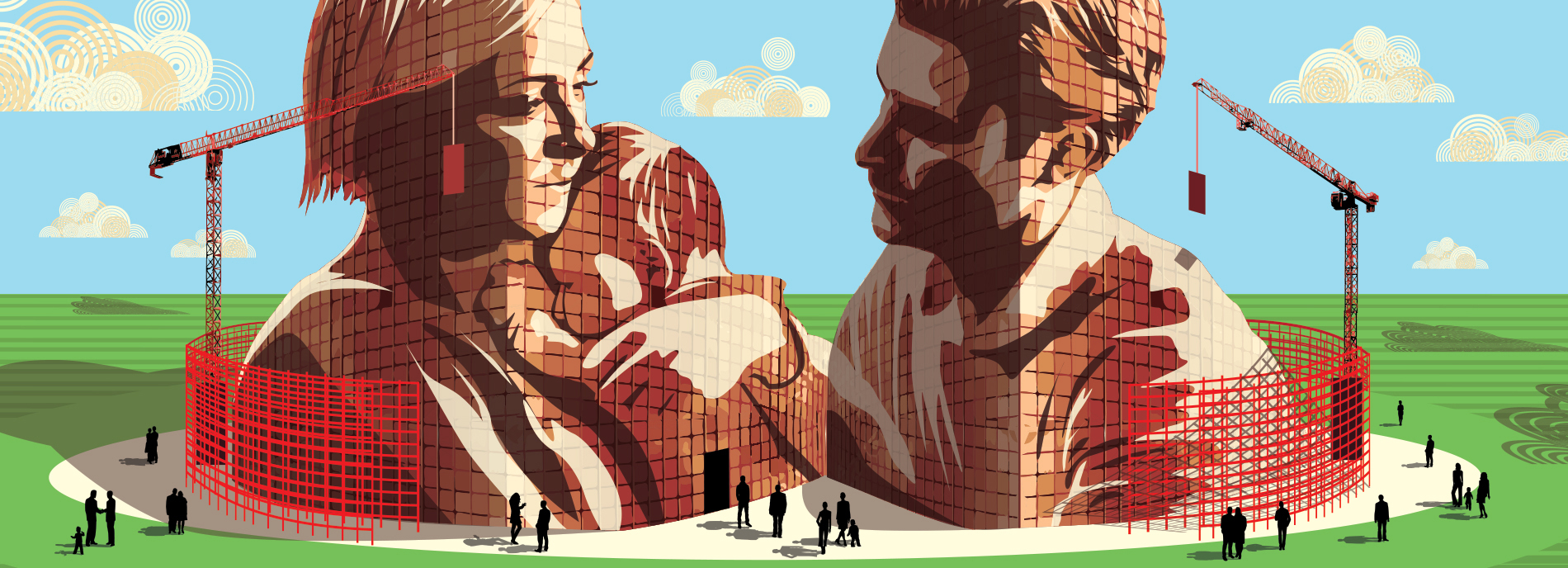
The builders: How parents shaped autism research
A group of savvy parents jump-started autism research in California, but they also set the research agenda.
The builders: How parents shaped autism research
A group of savvy parents jump-started autism research in California, but they also set the research agenda.

The innovators: How families launch their own autism studies
Some parents are starting ‘N-of-1’ studies for autism, but their efforts don’t always get taken seriously.
The innovators: How families launch their own autism studies
Some parents are starting ‘N-of-1’ studies for autism, but their efforts don’t always get taken seriously.

The seekers: Why parents try fringe therapies for autism
Many parents resort to unproven — even dangerous — alternative treatments for their children’s autism. What drives them?
The seekers: Why parents try fringe therapies for autism
Many parents resort to unproven — even dangerous — alternative treatments for their children’s autism. What drives them?

The pioneers: How parents are experimenting with marijuana for autism
Meet the backyard marijuana growers and home chemists who are rushing in where scientists fear to tread.
The pioneers: How parents are experimenting with marijuana for autism
Meet the backyard marijuana growers and home chemists who are rushing in where scientists fear to tread.
Explore more from The Transmitter
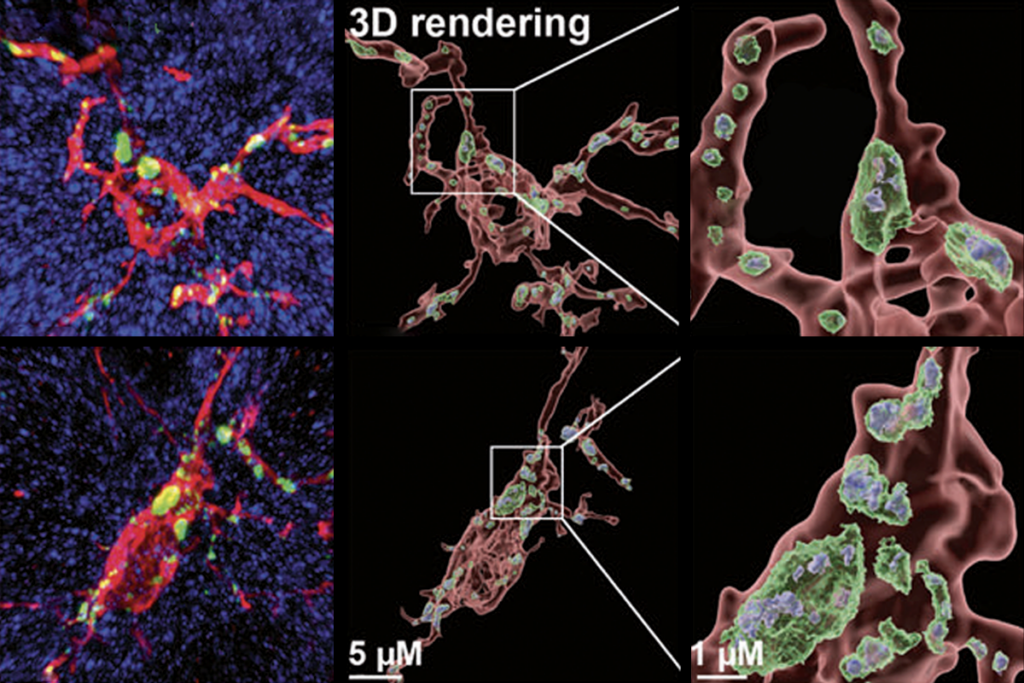
Single-gene systems-level effects, and more
Here is a roundup of autism-related news and research spotted around the web for the week of 6 April.
Single-gene systems-level effects, and more
Here is a roundup of autism-related news and research spotted around the web for the week of 6 April.
‘The Brain, In Theory,’ an excerpt
In his new book, Brette pushes back against theories that describe the brain as a “biological computer.” In this excerpt from Chapter 4, he challenges equating brain evolution with programming, and the universality of neural network models.
‘The Brain, In Theory,’ an excerpt
In his new book, Brette pushes back against theories that describe the brain as a “biological computer.” In this excerpt from Chapter 4, he challenges equating brain evolution with programming, and the universality of neural network models.
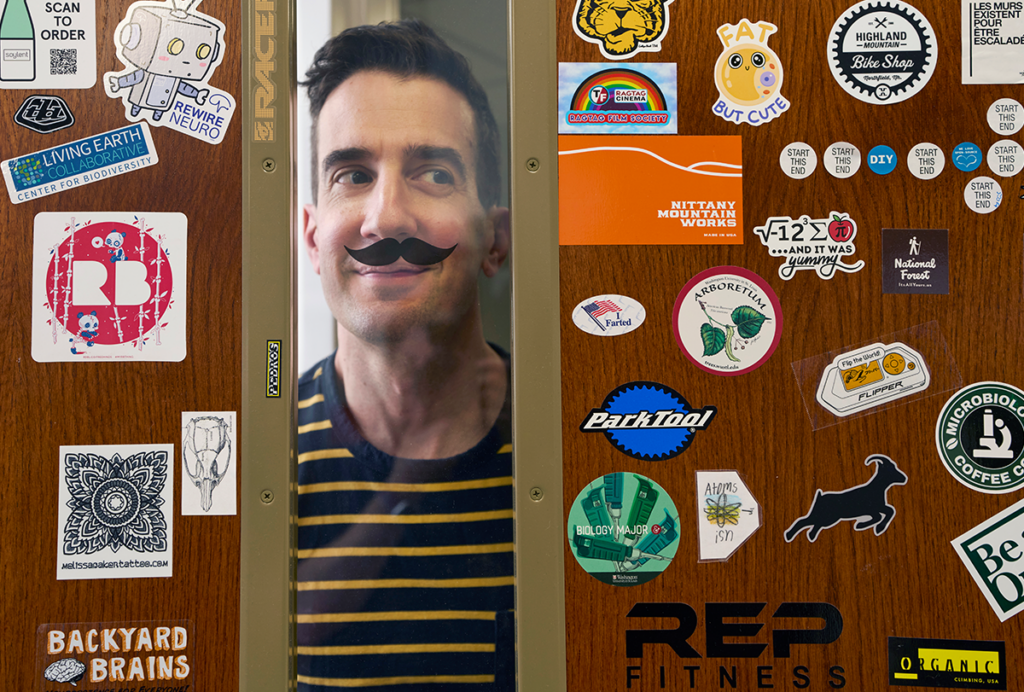
Computational neuroscientist Keith Hengen explains his work through illustrations
The images help him communicate the “big-picture ideas” behind the mathematical principles of neuronal networks.
Computational neuroscientist Keith Hengen explains his work through illustrations
The images help him communicate the “big-picture ideas” behind the mathematical principles of neuronal networks.