Community
Recent articles
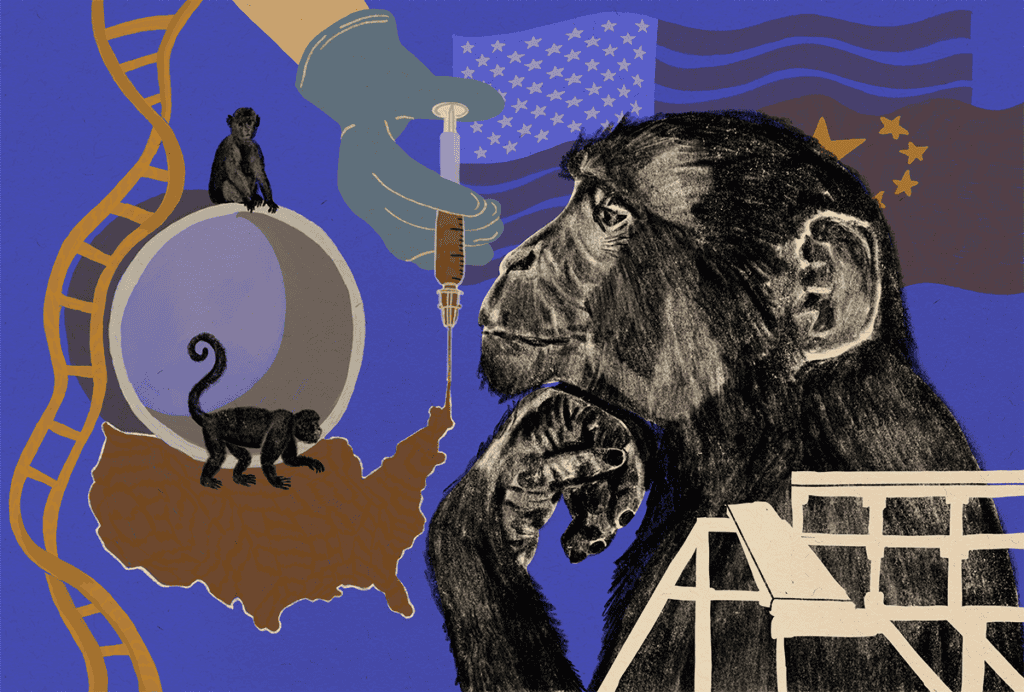
U.S. national primate research centers face an uncertain future
The facilities were meant to last 100 years. Four decades shy of that mark, amid flatlined funds and mounting political pressure, their directors are trying to find a path forward.
U.S. national primate research centers face an uncertain future
The facilities were meant to last 100 years. Four decades shy of that mark, amid flatlined funds and mounting political pressure, their directors are trying to find a path forward.
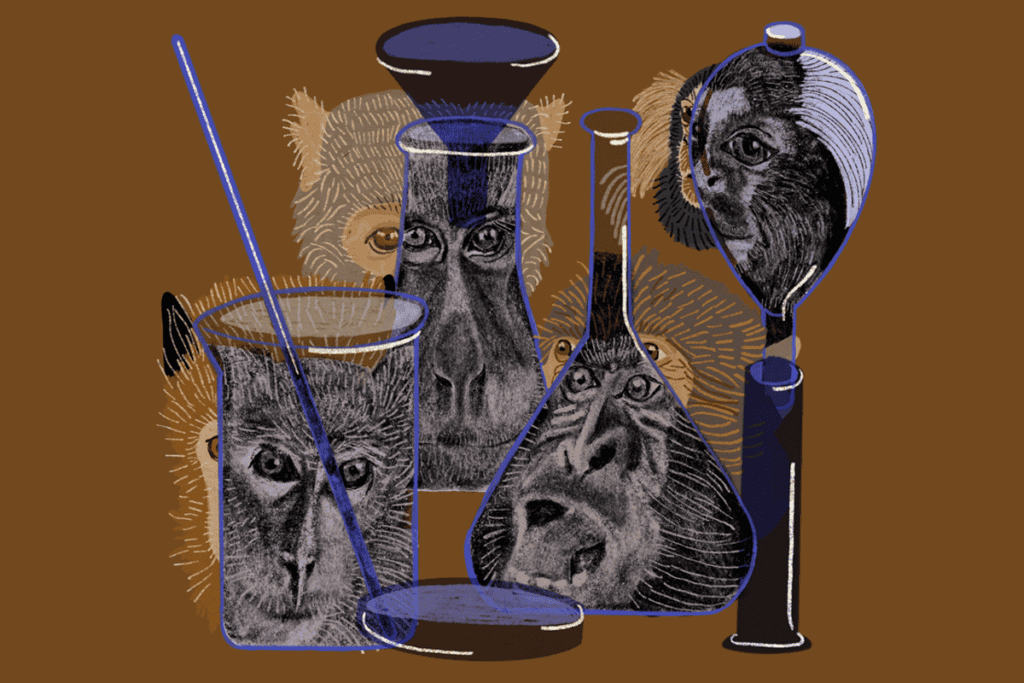
What if nonhuman primate research goes away?
As the U.S. government takes steps to stop using nonhuman primates in research, The Transmitter investigates what that shift could mean for neuroscience.
What if nonhuman primate research goes away?
As the U.S. government takes steps to stop using nonhuman primates in research, The Transmitter investigates what that shift could mean for neuroscience.
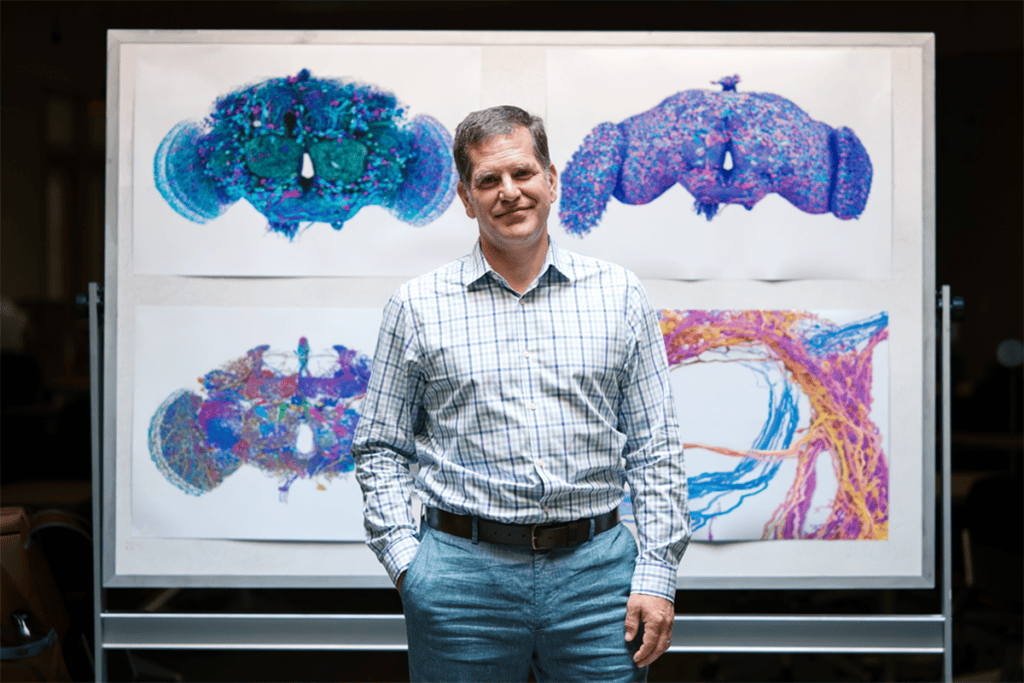
Beyond wiring diagrams: Inside a $19 million effort to expand access to connectome technology
Davi Bock’s lab took the millions of images that led to the complete connectome of a fruit fly brain. Now he wants to apply “this high-throughput flashlight across all areas of biology.”
Beyond wiring diagrams: Inside a $19 million effort to expand access to connectome technology
Davi Bock’s lab took the millions of images that led to the complete connectome of a fruit fly brain. Now he wants to apply “this high-throughput flashlight across all areas of biology.”

Response to ‘Finally, a new route for the magnetic-sense field’
Magnetoreception in Drosophila has much to offer those with an interest in neuroscience.
Response to ‘Finally, a new route for the magnetic-sense field’
Magnetoreception in Drosophila has much to offer those with an interest in neuroscience.
‘High risk, high reward’: How early-career neuroscientists view their future
The Transmitter and Neuromatch surveyed more than 300 early-career neuroscientists to better understand their unique challenges, career aspirations and support needs.
‘High risk, high reward’: How early-career neuroscientists view their future
The Transmitter and Neuromatch surveyed more than 300 early-career neuroscientists to better understand their unique challenges, career aspirations and support needs.
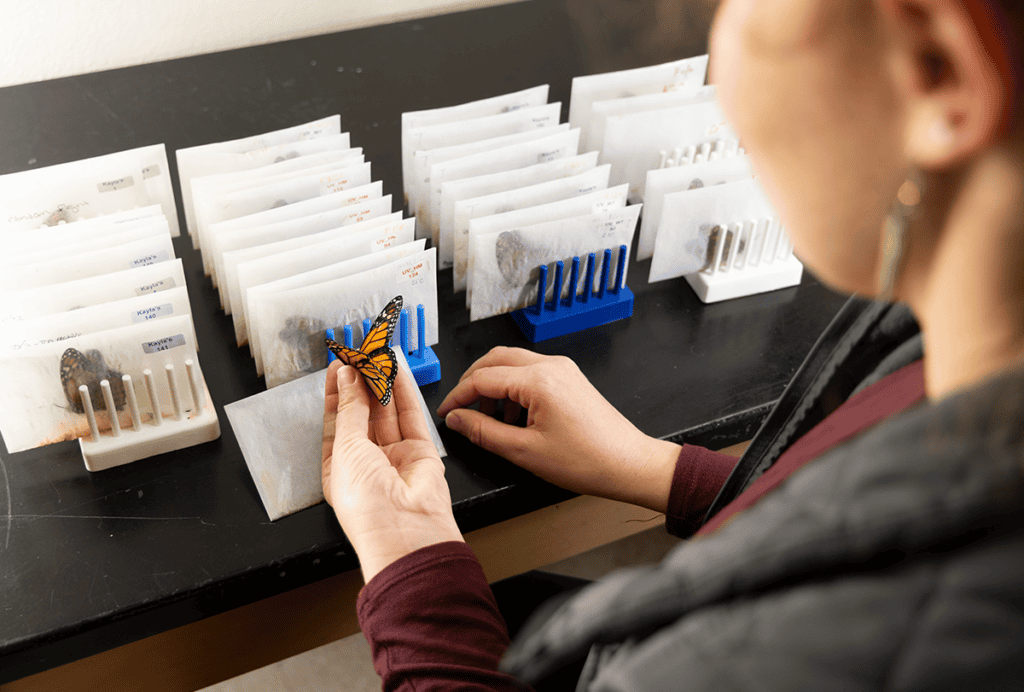
Finally, a new route for the magnetic-sense field
Researchers have dueled for years over how the magnetic sense works. New data from monarch butterflies could finally help settle the debate.
Finally, a new route for the magnetic-sense field
Researchers have dueled for years over how the magnetic sense works. New data from monarch butterflies could finally help settle the debate.
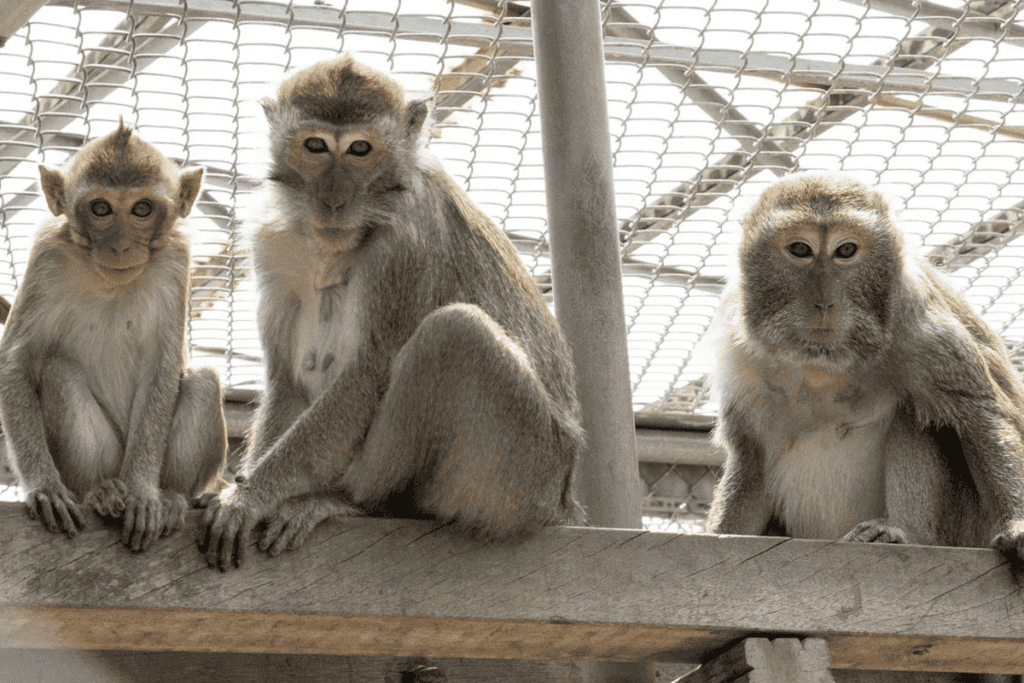
Dutch primate center awaits October animal research debate
Science is forging ahead at the Biomedical Primate Research Centre in the Netherlands, following a reversal of last year’s mandate to phase out primate studies. But researchers aren’t sure how long the reprieve will last.
Dutch primate center awaits October animal research debate
Science is forging ahead at the Biomedical Primate Research Centre in the Netherlands, following a reversal of last year’s mandate to phase out primate studies. But researchers aren’t sure how long the reprieve will last.
How FALAN is building a thriving neuroscience community in Latin America
As the Federation of Latin American and Caribbean Neuroscience Societies Congress kicks off next week, its president shares how the organization aims to foster collaborations and provide high-quality training for young neuroscientists in the region.
How FALAN is building a thriving neuroscience community in Latin America
As the Federation of Latin American and Caribbean Neuroscience Societies Congress kicks off next week, its president shares how the organization aims to foster collaborations and provide high-quality training for young neuroscientists in the region.
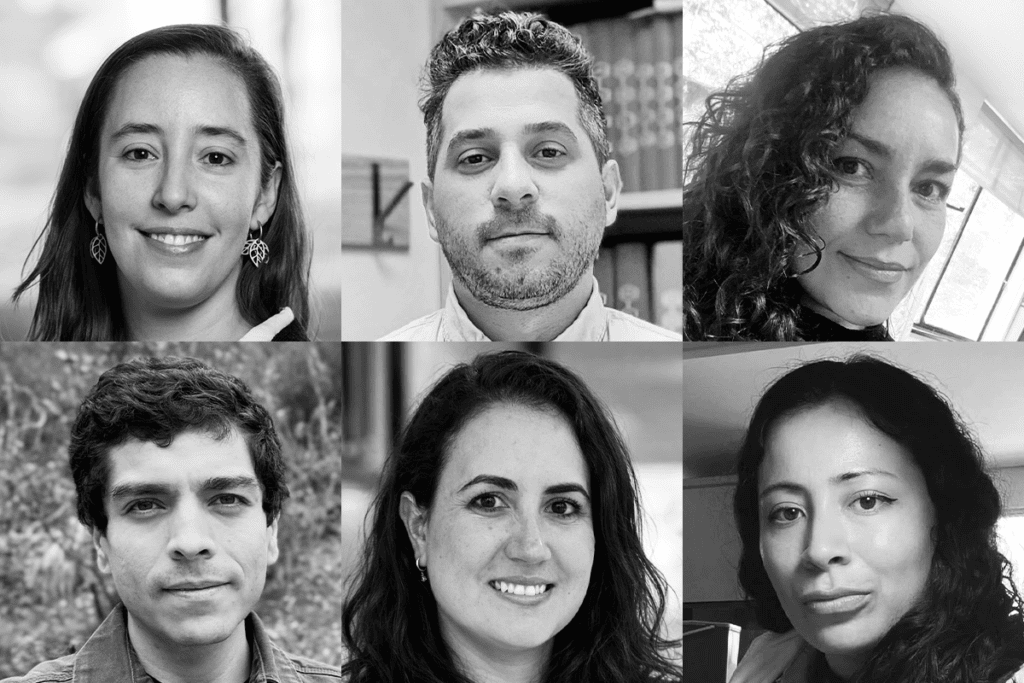
The Transmitter’s directory of new labs in Latin America
Learn about early-career neuroscientists who have started new labs or independent lines of research in Latin America over the past five years.
The Transmitter’s directory of new labs in Latin America
Learn about early-career neuroscientists who have started new labs or independent lines of research in Latin America over the past five years.
El directorio de nuevos laboratorios en América Latina de The Transmitter
Aprenda de laboratorios de neurociencia que han abierto sus puertas en Latinoamérica en los últimos cinco años.
El directorio de nuevos laboratorios en América Latina de The Transmitter
Aprenda de laboratorios de neurociencia que han abierto sus puertas en Latinoamérica en los últimos cinco años.
Explore more from The Transmitter
Is it time for neuroscience to shift its focus from a computational mind to a navigating mind?
Andrea Hiott explains her navigational approach to the mind, and why now is the time to embrace seemingly paradoxical findings in neuroscience.
Is it time for neuroscience to shift its focus from a computational mind to a navigating mind?
Andrea Hiott explains her navigational approach to the mind, and why now is the time to embrace seemingly paradoxical findings in neuroscience.
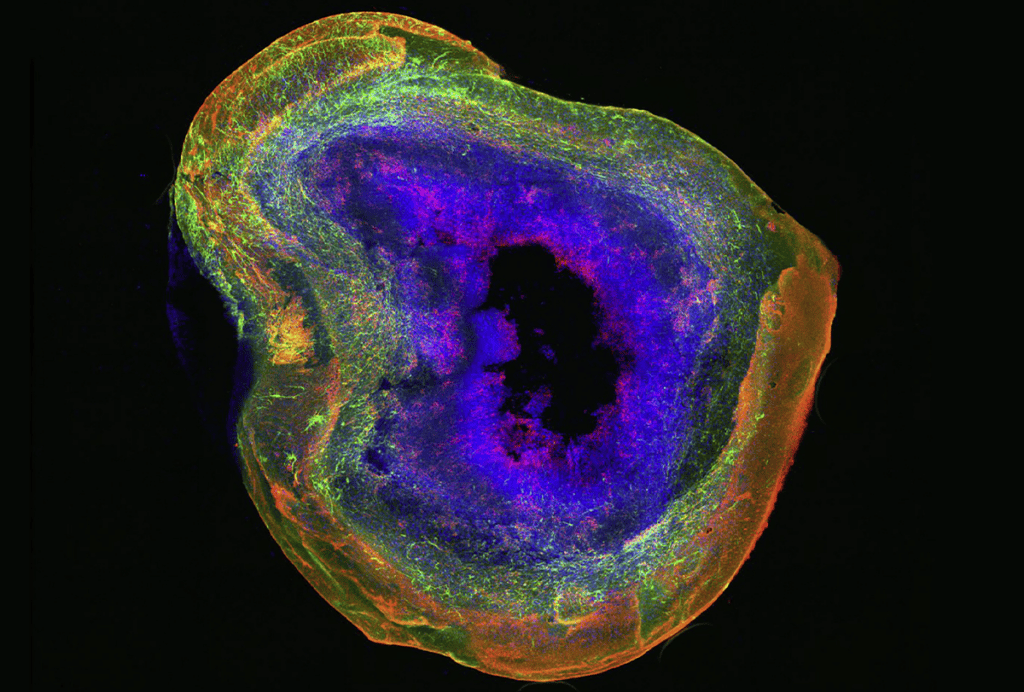
Human brain organoids come of age—but still have room to grow
The U.S. government has touted organoids as an alternative to animals for studying the brain. The model has improved since its debut in 2013, but scientists are still working to overcome key limitations: immaturity, consistency and the lack of vascularization.
Human brain organoids come of age—but still have room to grow
The U.S. government has touted organoids as an alternative to animals for studying the brain. The model has improved since its debut in 2013, but scientists are still working to overcome key limitations: immaturity, consistency and the lack of vascularization.
Finding neuroheterogeneity’s sweet spot
Once thought to be detrimental to memory processing, neuronal diversity—at the right ‘Goldilocks’ dose—is a new boon to theoretical neuroscience.
Finding neuroheterogeneity’s sweet spot
Once thought to be detrimental to memory processing, neuronal diversity—at the right ‘Goldilocks’ dose—is a new boon to theoretical neuroscience.