Pseudoreplication
Recent articles
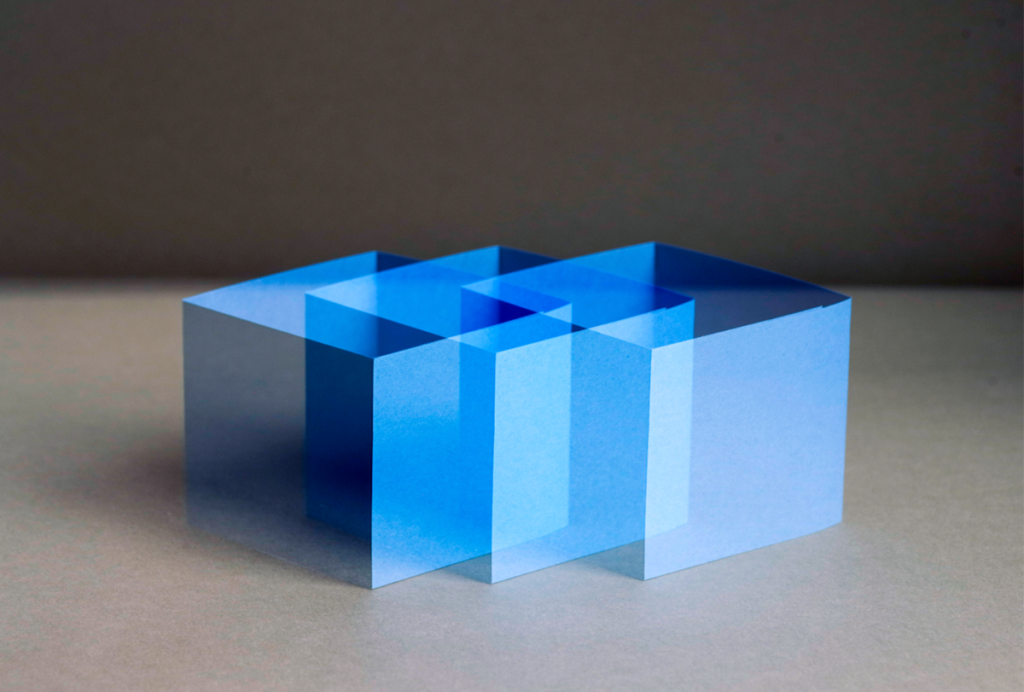
Sounding the alarm on pseudoreplication: Q&A with Constantinos Eleftheriou and Peter Kind
Most studies of neurological disorders in mice erroneously treat multiple samples from a single animal as independent replicates, according to a new analysis. But scientists and journals can take steps to curb this practice.
Sounding the alarm on pseudoreplication: Q&A with Constantinos Eleftheriou and Peter Kind
Most studies of neurological disorders in mice erroneously treat multiple samples from a single animal as independent replicates, according to a new analysis. But scientists and journals can take steps to curb this practice.
Explore more from The Transmitter
Funding for animal research alternatives reaches ‘inflection point’
The United States and Europe are dedicating hundreds of millions of dollars in funding to advance novel alternative methods, but not all neuroscientists see this as a positive step.
Funding for animal research alternatives reaches ‘inflection point’
The United States and Europe are dedicating hundreds of millions of dollars in funding to advance novel alternative methods, but not all neuroscientists see this as a positive step.

‘Friction-maxxing’ in school: Students should read primary literature, not AI summaries
Trainees need to learn how to identify a neuroscience paper’s major takeaways and integrate them into their understanding. This skill doesn’t come from outsourcing the work to large language models.
‘Friction-maxxing’ in school: Students should read primary literature, not AI summaries
Trainees need to learn how to identify a neuroscience paper’s major takeaways and integrate them into their understanding. This skill doesn’t come from outsourcing the work to large language models.
Head direction cells stably orient mice to outside world
The cells’ representations show little drift over time—unlike those of other navigation system neurons—and may provide a “rigid backbone” for more flexible sensory and cognitive responses.
Head direction cells stably orient mice to outside world
The cells’ representations show little drift over time—unlike those of other navigation system neurons—and may provide a “rigid backbone” for more flexible sensory and cognitive responses.