Africa IMFAR 2017
Recent articles
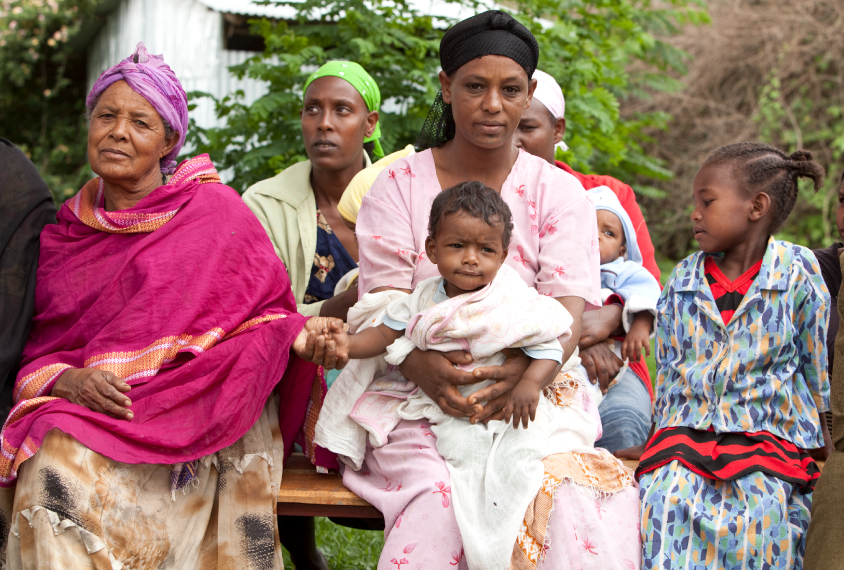
Studies highlight need to adapt autism tests for African cultures
Some of the items on a common diagnostic test for autism do not translate well to African cultures.
Studies highlight need to adapt autism tests for African cultures
Some of the items on a common diagnostic test for autism do not translate well to African cultures.

South African children with autism may lack access to schools
Only about 0.1 percent of children in the Western Cape province of South Africa have autism, according to a review of school records.
South African children with autism may lack access to schools
Only about 0.1 percent of children in the Western Cape province of South Africa have autism, according to a review of school records.
Explore more from The Transmitter
Commentary: Citation graphs may underestimate neuroscience’s influence on AI
An alternative, albeit less quantitative, way to trace this history is through the people who carried ideas between the fields.
Commentary: Citation graphs may underestimate neuroscience’s influence on AI
An alternative, albeit less quantitative, way to trace this history is through the people who carried ideas between the fields.
Commentary: The rising absolute number of neuro-inspired AI papers represents a substantial footprint
Many of the design choices present in the current generation of artificial-intelligence tools parallel purported properties of the brain.
Commentary: The rising absolute number of neuro-inspired AI papers represents a substantial footprint
Many of the design choices present in the current generation of artificial-intelligence tools parallel purported properties of the brain.

Examining the bridge between neuroscience and AI
A citation analysis reveals that the connection between the two fields is real and gaining momentum. But it’s also narrow and tool-heavy; we need to find ways to widen it.
Examining the bridge between neuroscience and AI
A citation analysis reveals that the connection between the two fields is real and gaining momentum. But it’s also narrow and tool-heavy; we need to find ways to widen it.