Daniel Weinberger
Director and CEO
Lieber Institute for Brain Development
From this contributor

Paternal age’s link to autism remains murky
In the past few years, several studies have implicated fathers’ age more strongly than mothers’ in increasing autism risk. Although older fathers have more spontaneous mutations in their sperm than younger fathers do, no one has shown that these accumulating mutations contribute to autism risk in their children, argues Daniel Weinberger.
Explore more from The Transmitter
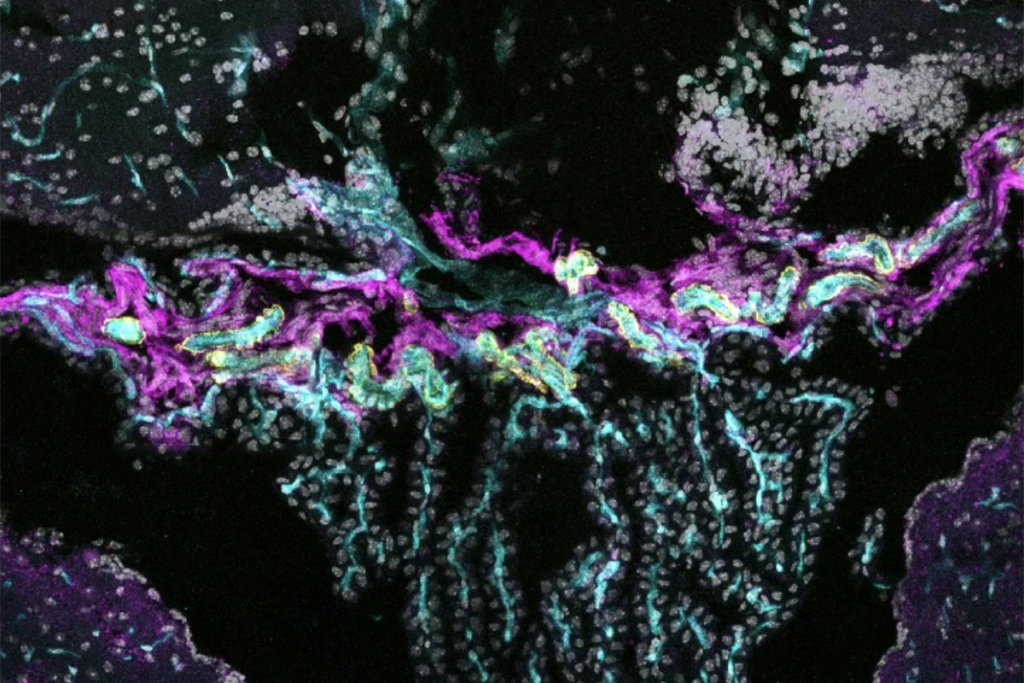
Newly identified barrier cells seal off choroid plexus from CSF, rest of brain
A long-overlooked layer of fibroblasts exists inside the choroid plexus of mice and humans, adding complexity to the area’s compartmentalization.
Newly identified barrier cells seal off choroid plexus from CSF, rest of brain
A long-overlooked layer of fibroblasts exists inside the choroid plexus of mice and humans, adding complexity to the area’s compartmentalization.
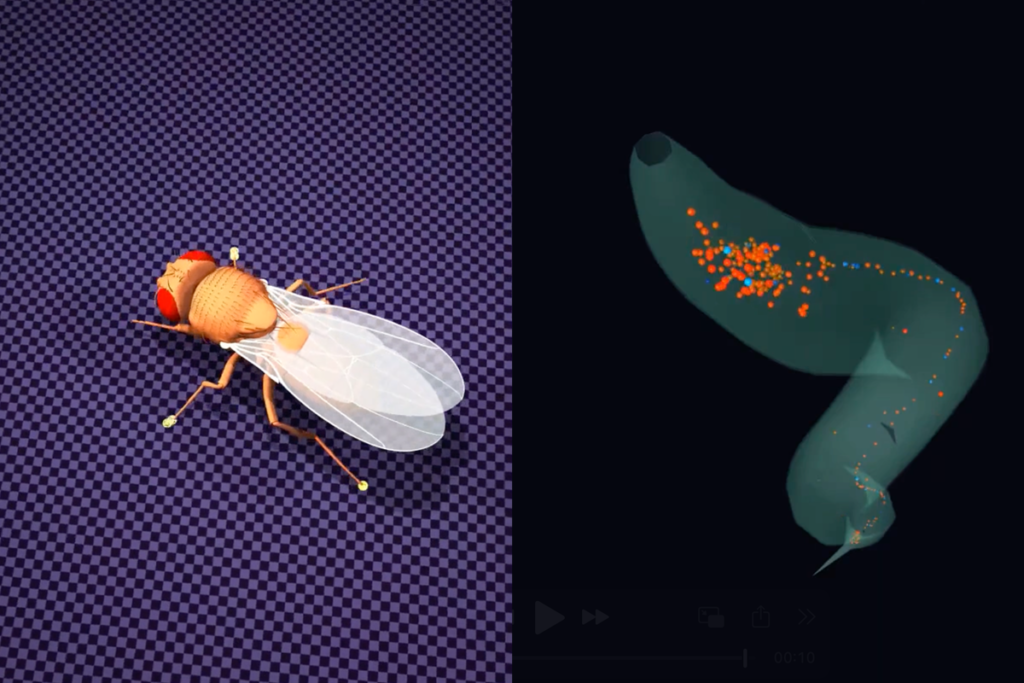
‘Digital sphinx’ raises questions about connectome models
The sphinx, with a worm’s brain and a fly’s body, illustrates the potential pitfalls of using deep-learning techniques to model biological processes.
‘Digital sphinx’ raises questions about connectome models
The sphinx, with a worm’s brain and a fly’s body, illustrates the potential pitfalls of using deep-learning techniques to model biological processes.
Taking a closer look at astrocytes and autism
These glial cells are increasingly linked to neurodevelopmental conditions and the regulation of social behaviors and anxiety.
Taking a closer look at astrocytes and autism
These glial cells are increasingly linked to neurodevelopmental conditions and the regulation of social behaviors and anxiety.