Erika Check Hayden is an award-winning, San Francisco-based science and technology reporter. She writes for Nature, and on a freelance basis for a variety of publications, and is a lecturer in the University of California, Santa Cruz Science Communication Program.
Erika Check Hayden
Freelance writer
From this contributor
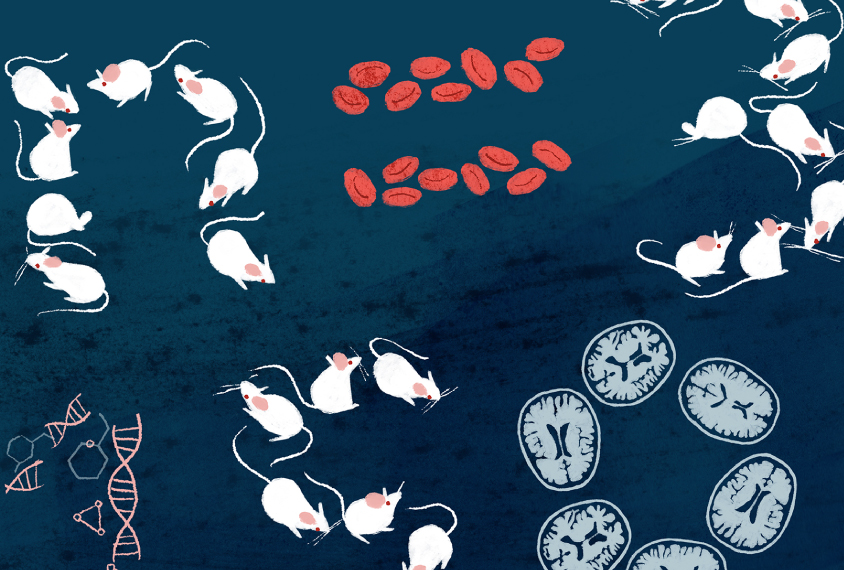
For studies, size matters: Let us count the ways
In autism research, as in other fields, small sample sizes can lead to false findings. The size of the sample needed for statistical significance depends on the type of study.
For studies, size matters: Let us count the ways
By
Erika Check Hayden
17 October 2018 | 6 min read

Preprint server bioRxiv gets boost from Facebook billionaire
The Chan Zuckerberg Initiative has pledged to provide financial support for bioRxiv, a website where researchers can share manuscripts before peer review.
Preprint server bioRxiv gets boost from Facebook billionaire
By
Erika Check Hayden
28 April 2017 | 5 min read
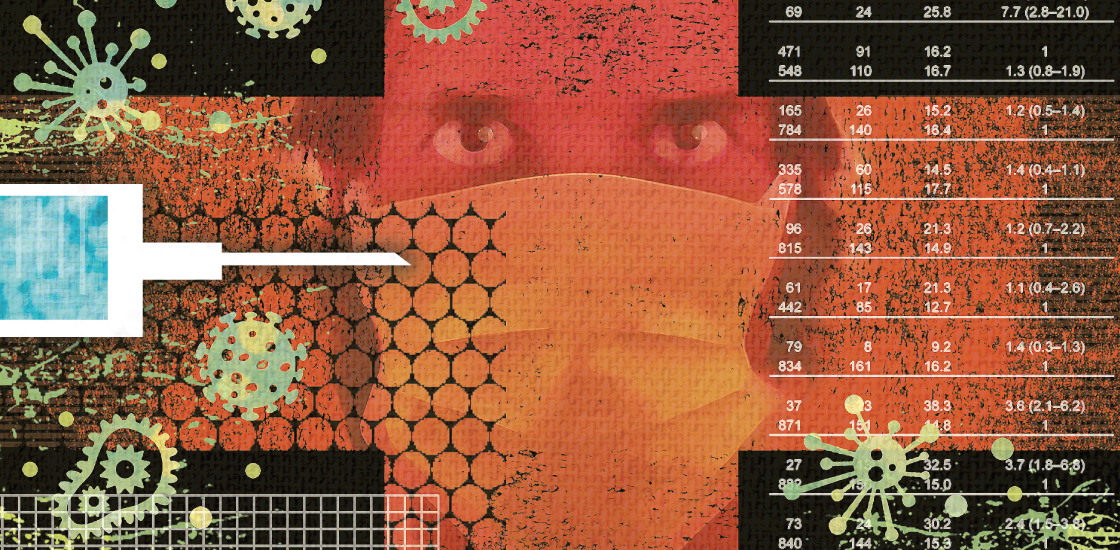
Book review: ‘Rigor Mortis’ reveals rampant sloppiness in science
In his new book, journalist Richard Harris writes that lack of reproducibility in research poses a serious threat to science.
Book review: ‘Rigor Mortis’ reveals rampant sloppiness in science
By
Erika Check Hayden
4 April 2017 | 5 min read

Rising star: Somer Bishop fine-tunes autism diagnosis
Somer Bishop is launching a revolution in autism diagnosis, creating faster, more precise tools that speed research and better capture the full spectrum of autism symptoms.
Rising star: Somer Bishop fine-tunes autism diagnosis
By
Erika Check Hayden
28 April 2016 | 8 min read
Explore more from The Transmitter
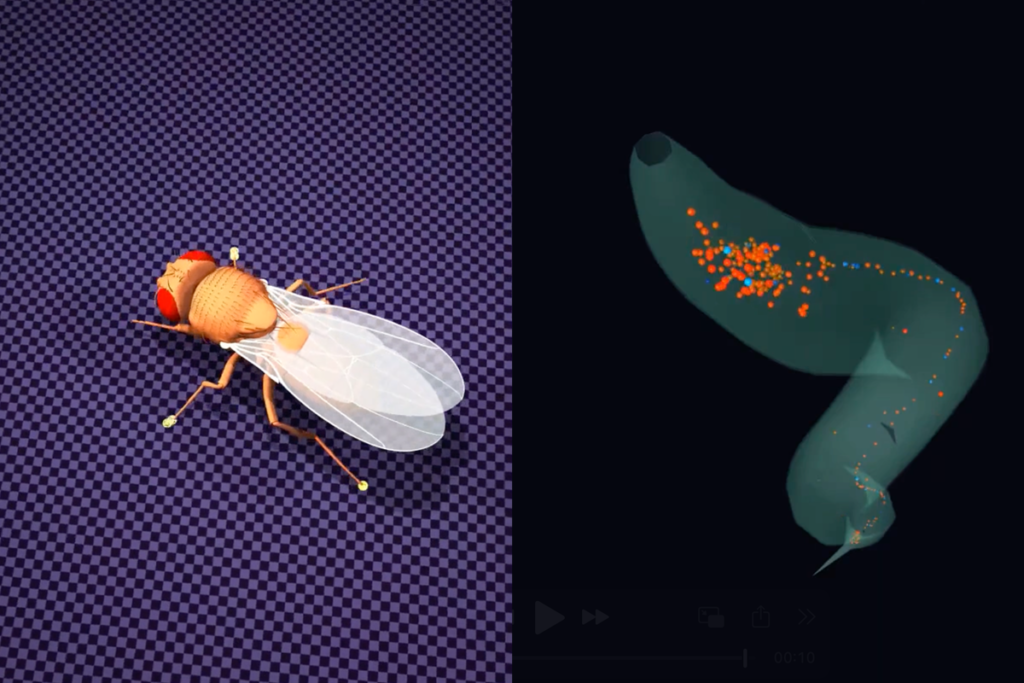
‘Digital sphinx’ raises questions about connectome models
The sphinx, with a worm’s brain and a fly’s body, illustrates the potential pitfalls of using deep-learning techniques to model biological processes.
‘Digital sphinx’ raises questions about connectome models
The sphinx, with a worm’s brain and a fly’s body, illustrates the potential pitfalls of using deep-learning techniques to model biological processes.
By
Natalia Mesa
2 April 2026 | 5 min read
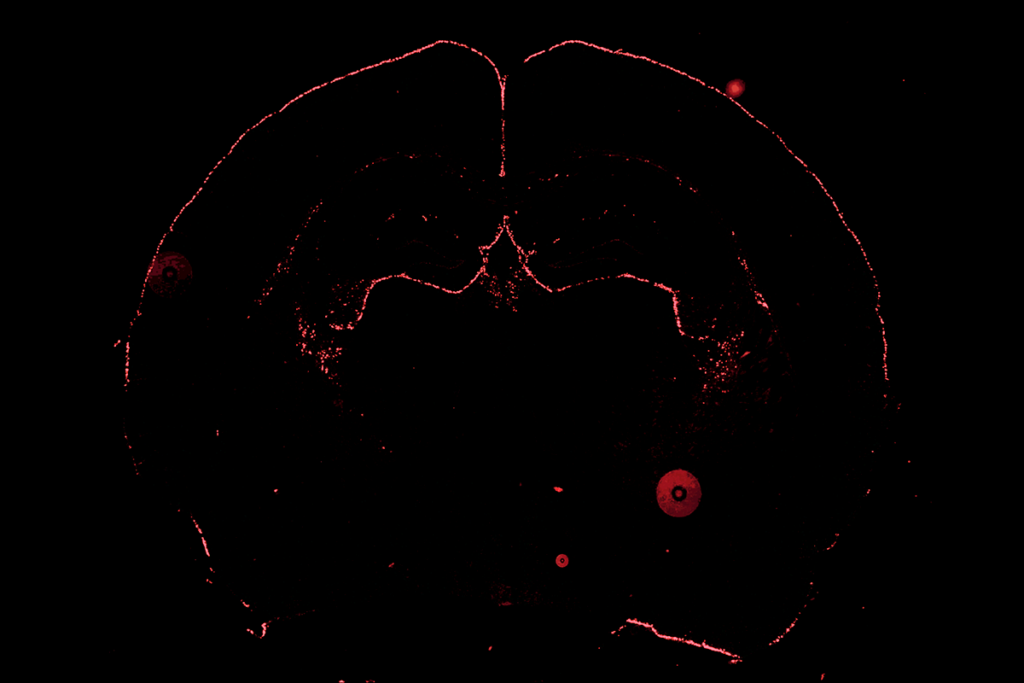
Taking a closer look at astrocytes and autism
These glial cells are increasingly linked to neurodevelopmental conditions and the regulation of social behaviors and anxiety.
Taking a closer look at astrocytes and autism
These glial cells are increasingly linked to neurodevelopmental conditions and the regulation of social behaviors and anxiety.
By
The Transmitter
2 April 2026 | 2 min read
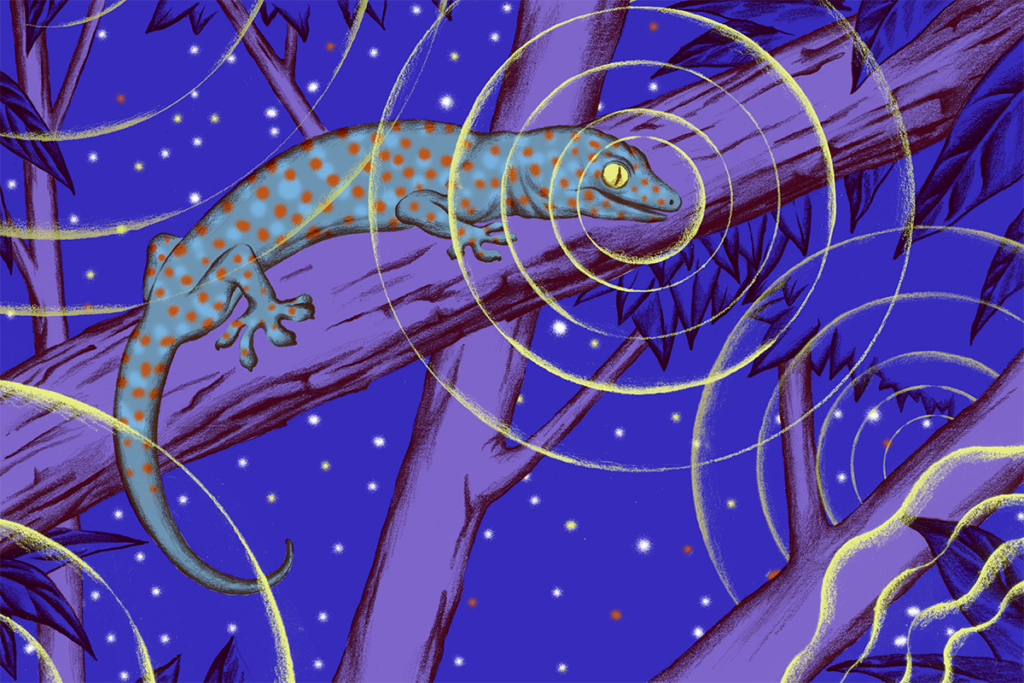
Neuro’s ark: Sounding out the evolution of hearing with geckos
Catherine Carr explains her discovery that geckos retain a vibration-sensing pathway previously thought to be lost when animals moved onto land.
Neuro’s ark: Sounding out the evolution of hearing with geckos
Catherine Carr explains her discovery that geckos retain a vibration-sensing pathway previously thought to be lost when animals moved onto land.
By
Helena Kudiabor
1 April 2026 | 5 min read