Consciousness
Recent articles
Revisiting the neural correlates of consciousness
Life happens in real time, but experience may be composed in ragtime—like the music genre, full of offbeat notes and uneven rhythms. The assumption that waking life consists of a “stream” of conscious representations has inadvertently led consciousness science to its current impasse.
Revisiting the neural correlates of consciousness
Life happens in real time, but experience may be composed in ragtime—like the music genre, full of offbeat notes and uneven rhythms. The assumption that waking life consists of a “stream” of conscious representations has inadvertently led consciousness science to its current impasse.
Five new neuroscience books, and other notable titles from 2026
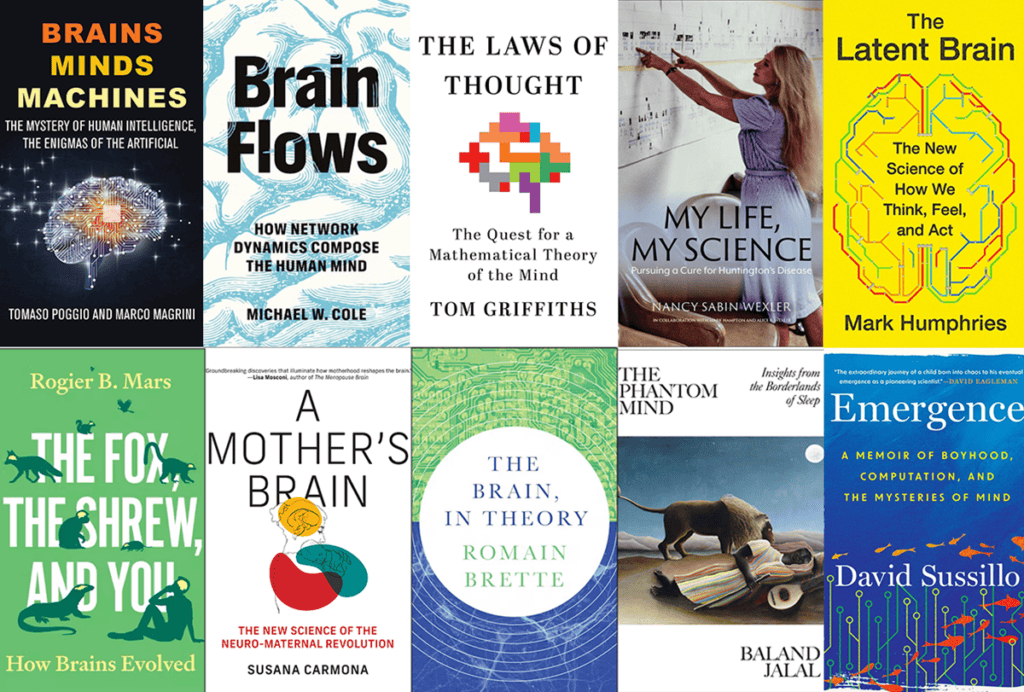
The Transmitter’s summer reading list includes an autopsy of the Human Brain Project, an overview of the neuroscience of motherhood and a memoir from a pioneer in Huntington’s disease research.
Five new neuroscience books, and other notable titles from 2026
The Transmitter’s summer reading list includes an autopsy of the Human Brain Project, an overview of the neuroscience of motherhood and a memoir from a pioneer in Huntington’s disease research.
Johannes Jaeger explains why we should care that brains and AI are not the same
From single cells to whole organisms, living beings must continuously regenerate themselves and judge what's important to continue living. Artificial intelligence does not and cannot.
Johannes Jaeger explains why we should care that brains and AI are not the same
From single cells to whole organisms, living beings must continuously regenerate themselves and judge what's important to continue living. Artificial intelligence does not and cannot.
The illusion of AI consciousness: Lessons from human unconscious processing
Complex, goal-directed and even emotionally responsive behavior can unfold without awareness, providing a useful lens for interpreting artificial systems.
The illusion of AI consciousness: Lessons from human unconscious processing
Complex, goal-directed and even emotionally responsive behavior can unfold without awareness, providing a useful lens for interpreting artificial systems.
Ehud Ahissar offers a new kind of dualism for neuroscience
He explains how “perceptual dualism” can account for the way we communicate via digital symbols and perceive the world via analog brain processes.
Ehud Ahissar offers a new kind of dualism for neuroscience
He explains how “perceptual dualism” can account for the way we communicate via digital symbols and perceive the world via analog brain processes.
Modern AI is simply no match for the complexity likely required for harboring consciousness, says Jaan Aru
He argues that our brain’s computations are of a completely different nature than any artificial intelligence because they take place across many spatial and temporal scales and are inextricably entwined with biological materials.
Modern AI is simply no match for the complexity likely required for harboring consciousness, says Jaan Aru
He argues that our brain’s computations are of a completely different nature than any artificial intelligence because they take place across many spatial and temporal scales and are inextricably entwined with biological materials.
Michael Shadlen explains how theory of mind ushers nonconscious thoughts into consciousness
All of our thoughts, mostly nonconscious, are interrogations of the world, Shadlen says. The opportunity to report our answers to ourselves or others brings a thought into conscious awareness.
Michael Shadlen explains how theory of mind ushers nonconscious thoughts into consciousness
All of our thoughts, mostly nonconscious, are interrogations of the world, Shadlen says. The opportunity to report our answers to ourselves or others brings a thought into conscious awareness.
Alex Maier argues that a scientific explanation of consciousness requires grounding in formalized mathematics
When it comes to discovering laws of nature for consciousness similar to those in physics, Maier argues that integrated information theory is the only game in town.
Alex Maier argues that a scientific explanation of consciousness requires grounding in formalized mathematics
When it comes to discovering laws of nature for consciousness similar to those in physics, Maier argues that integrated information theory is the only game in town.
‘Neuroethics: The Implications of Mapping and Changing the Brain,’ an excerpt
In his new book, published today, philosopher Walter Glannon examines the ethics of six areas of neuroscience. In Chapter 4, a portion of which appears below, he tackles the ethical considerations of using brain organoids in research.
‘Neuroethics: The Implications of Mapping and Changing the Brain,’ an excerpt
In his new book, published today, philosopher Walter Glannon examines the ethics of six areas of neuroscience. In Chapter 4, a portion of which appears below, he tackles the ethical considerations of using brain organoids in research.
Babies, bees and bots: On the hunt for markers of consciousness
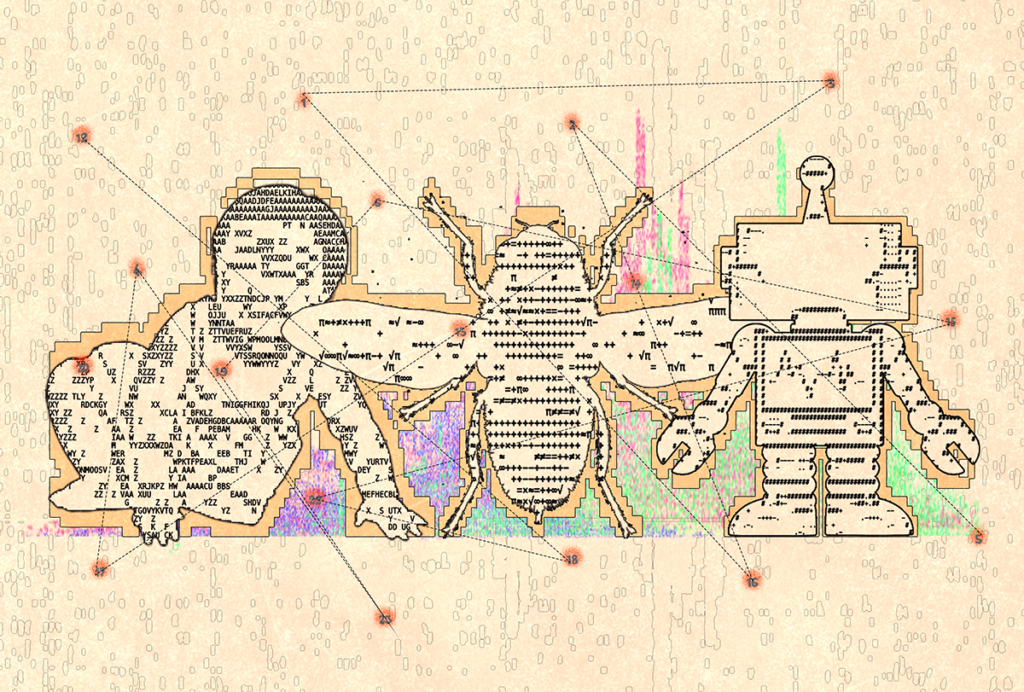
To truly understand consciousness, we need new methods to measure it and detect it in other intelligent systems.
Babies, bees and bots: On the hunt for markers of consciousness
To truly understand consciousness, we need new methods to measure it and detect it in other intelligent systems.
Explore more from The Transmitter
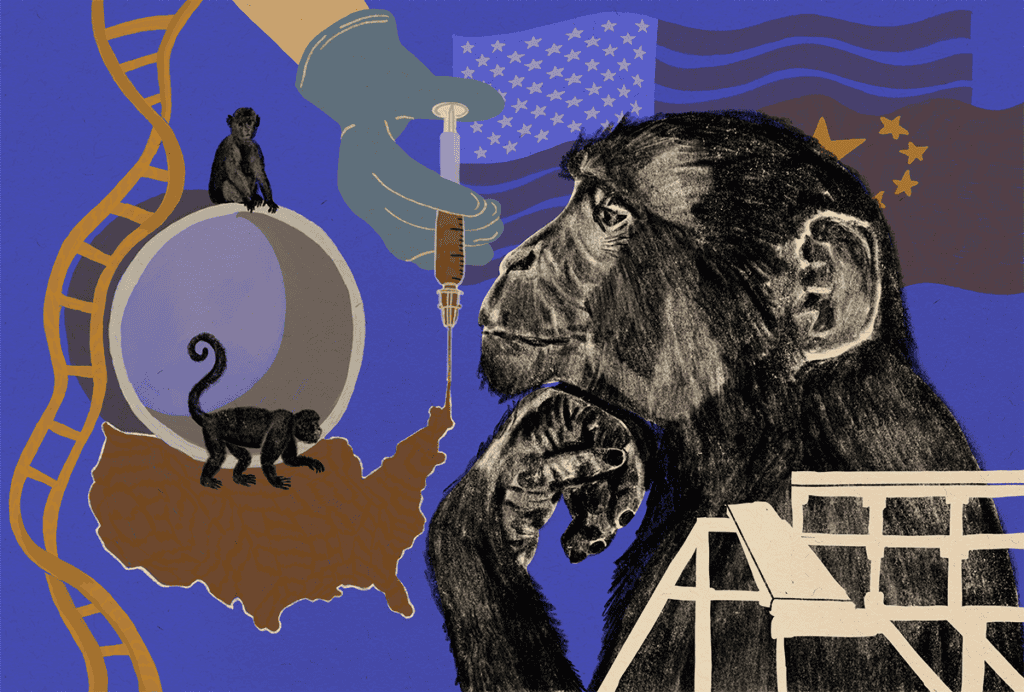
U.S. national primate research centers face an uncertain future
The facilities were meant to last 100 years. Four decades shy of that mark, amid flatlined funds and mounting political pressure, their directors are trying to find a path forward.
U.S. national primate research centers face an uncertain future
The facilities were meant to last 100 years. Four decades shy of that mark, amid flatlined funds and mounting political pressure, their directors are trying to find a path forward.
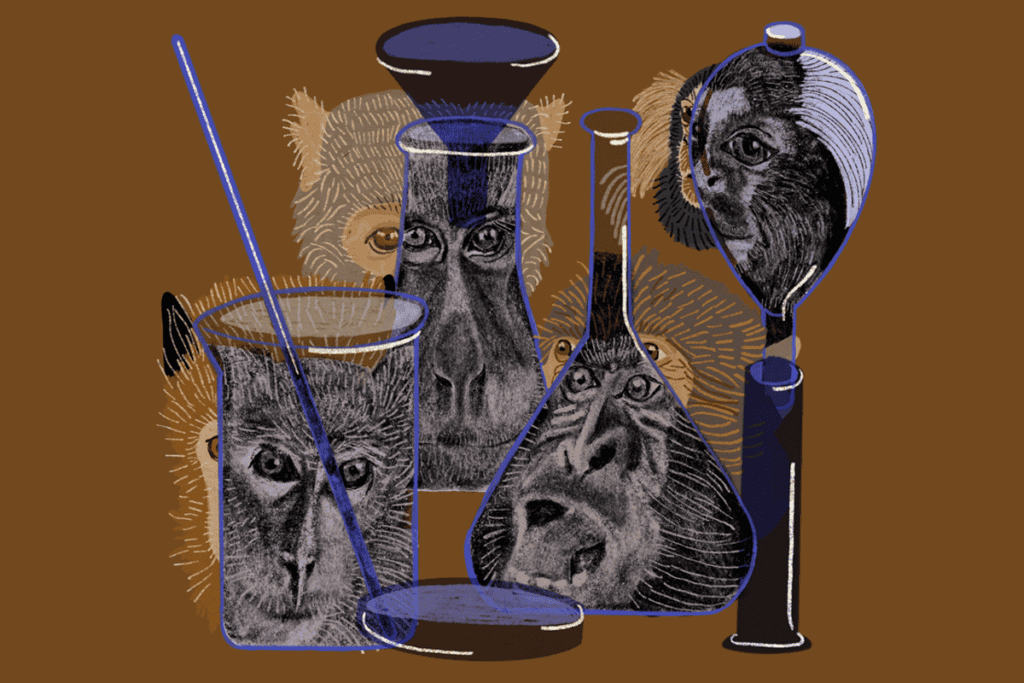
What if nonhuman primate research goes away?
As the U.S. government takes steps to stop using nonhuman primates in research, The Transmitter investigates what that shift could mean for neuroscience.
What if nonhuman primate research goes away?
As the U.S. government takes steps to stop using nonhuman primates in research, The Transmitter investigates what that shift could mean for neuroscience.
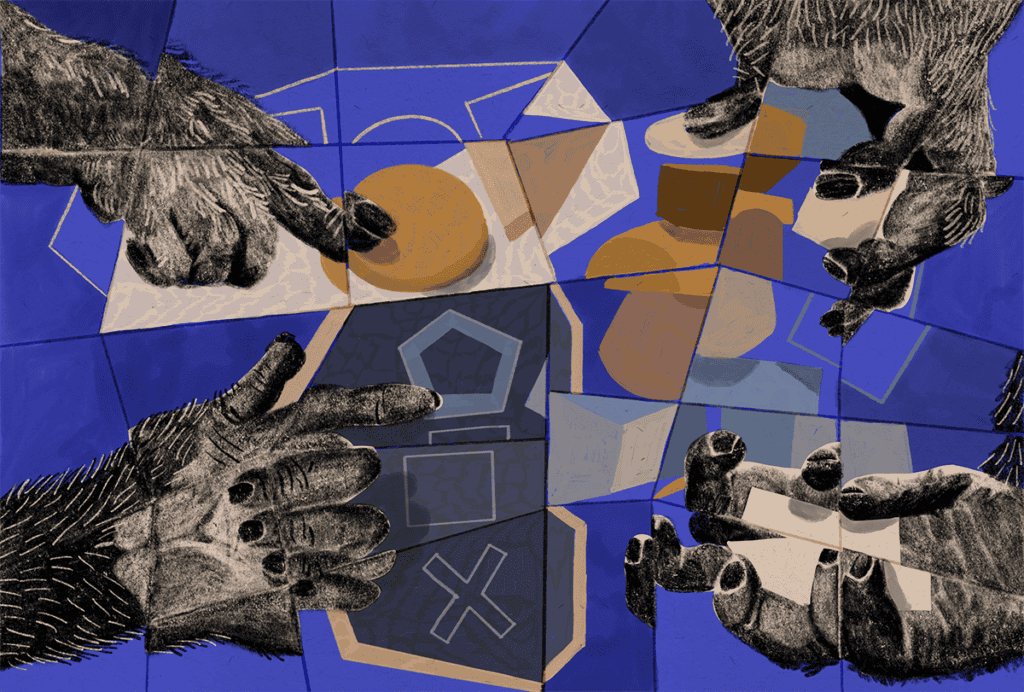
The neuroscience questions that need nonhuman primates
The Transmitter asked 17 neuroscientists what questions might remain unanswered if support for nonhuman primate research continues to decline.
The neuroscience questions that need nonhuman primates
The Transmitter asked 17 neuroscientists what questions might remain unanswered if support for nonhuman primate research continues to decline.