Jane Lee is a freelance writer based in Washington, D.C.
Jane Lee
Freelance Writer
SFARI.org
From this contributor

Diagnosis eludes many girls with autism, study says
Girls are less likely to be diagnosed with autism than boys are, unless they also have intellectual or behavioral problems, according to a study published 26 June in the Journal of the American Academy of Child and Adolescent Psychiatry.
Diagnosis eludes many girls with autism, study says
By
Jane Lee
3 September 2012 | 5 min read
Tuberous sclerosis gene loss triggers autism-like features
Losing one or both copies of TSC1, one of the two genes responsible for tuberous sclerosis complex, in specific cells of the cerebellum can trigger several autism-like behaviors in mice, according to research published 1 July in Nature.
Tuberous sclerosis gene loss triggers autism-like features
By
Jane Lee
26 July 2012 | 5 min read
Explore more from The Transmitter
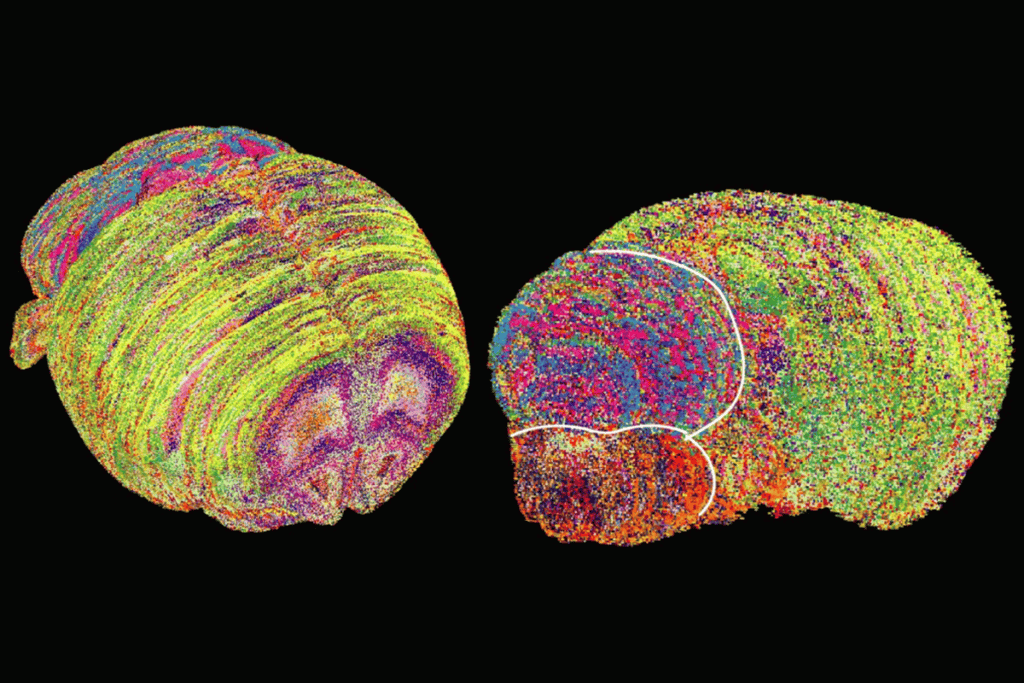
Lipids enter brain mapping limelight
Two new studies, including the first whole-brain lipid atlas in mice, uncover unforeseen complexity and influence during pregnancy and aging.
Lipids enter brain mapping limelight
Two new studies, including the first whole-brain lipid atlas in mice, uncover unforeseen complexity and influence during pregnancy and aging.
By
Lauren Schenkman
27 October 2026 | 6 min read
Behavioral phenomics in zebrafish; and more
Here is a roundup of autism-related news and research spotted around the web for the week of 26 October.
Behavioral phenomics in zebrafish; and more
Here is a roundup of autism-related news and research spotted around the web for the week of 26 October.
By
Jill Adams
27 October 2026 | 2 min read
Neuroscience gave AI its start. What happens now?
David Sussillo maps the two fields' divergent paths, and where they might still meet.
Neuroscience gave AI its start. What happens now?
David Sussillo maps the two fields' divergent paths, and where they might still meet.
By
Emily Singer
27 October 2026 | 10 min read