Moheb Costandi
Freelance Writer
SFARI
From this contributor

Uta and Chris Frith: A partnership of the mind
British psychologist Uta Frith has singlehandedly transformed our understanding of autism. In partnership with her husband, neuroimaging expert Chris Frith, she helped launch the field of cognitive neuroscience and shaped a generation of scientists.
Uta and Chris Frith: A partnership of the mind
Visual skills superior in autism, study says
People with autism are highly adept at detecting symmetry in patterns, according to a study published 29 April in PLoS ONE.
Simon Baron-Cohen: Theorizing on the mind in autism
Few scientists have a career that spans as wide a spectrum in autism research as Simon Baron-Cohen, professor of developmental psychopathology at the University of Cambridge in the U.K. And fewer still garner effusive compliments from those who don’t agree with them.
Simon Baron-Cohen: Theorizing on the mind in autism
‘Broken mirror’ concept of autism challenged
Several new studies challenge the ‘broken mirror’ hypothesis of autism, which suggests that defects in specialized brain cells called mirror neurons explain why people with the disorder find social interaction difficult.
Explore more from The Transmitter
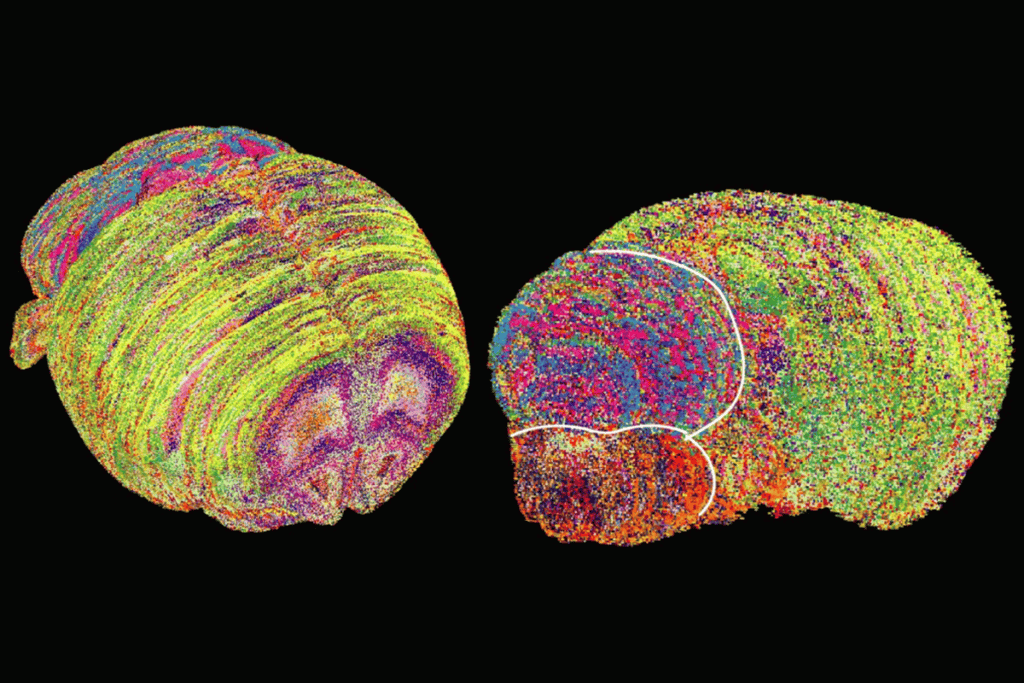
Lipids enter brain mapping limelight
Two new studies, including the first whole-brain lipid atlas in mice, uncover unforeseen complexity and influence during pregnancy and aging.
Lipids enter brain mapping limelight
Two new studies, including the first whole-brain lipid atlas in mice, uncover unforeseen complexity and influence during pregnancy and aging.
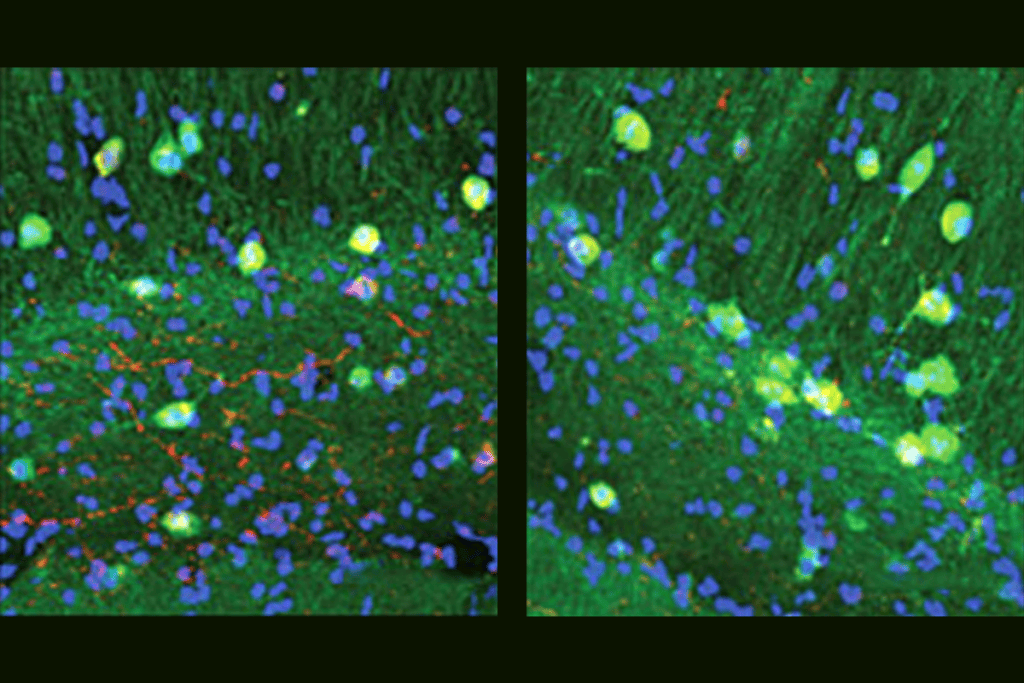
Behavioral phenomics in zebrafish; and more
Here is a roundup of autism-related news and research spotted around the web for the week of 26 October.
Behavioral phenomics in zebrafish; and more
Here is a roundup of autism-related news and research spotted around the web for the week of 26 October.
Neuroscience gave AI its start. What happens now?
David Sussillo maps the two fields' divergent paths, and where they might still meet.
Neuroscience gave AI its start. What happens now?
David Sussillo maps the two fields' divergent paths, and where they might still meet.