Raphael Bernier is professor of psychiatry at the University of Washington and clinical director of the Seattle Children’s Autism Center.

Raphael Bernier
Assistant Professor
University of Washington, Seattle
From this contributor

Through play, children with autism can hone thinking skills
Clinicians can use play to deliver therapies that could improve a child’s social skills, language and certain cognitive capacities.
Through play, children with autism can hone thinking skills
By
Raphael Bernier
31 May 2016 | 6 min read
Best practices
Guidelines for the use of electroencephalography in autism will ensure that researchers have a common set of standards, which will speed up discovery, say Sara Jane Webb and Raphael Bernier.
How do we measure autism severity?
Accurately measuring the severity of autism remains a challenge for the field. The answer may lie in using more than one approach that varies depending on whether it is being applied in a clinical or research context, says Raphael Bernier.
Explore more from The Transmitter
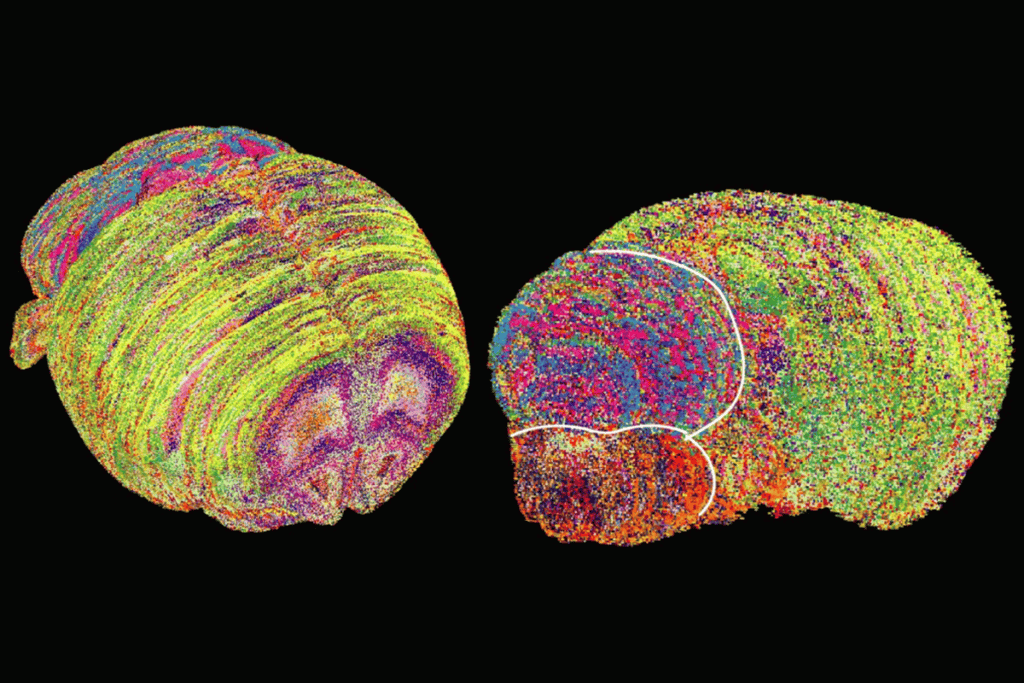
Lipids enter brain mapping limelight
Two new studies, including the first whole-brain lipid atlas in mice, uncover unforeseen complexity and influence during pregnancy and aging.
Lipids enter brain mapping limelight
Two new studies, including the first whole-brain lipid atlas in mice, uncover unforeseen complexity and influence during pregnancy and aging.
By
Lauren Schenkman
27 October 2026 | 6 min read
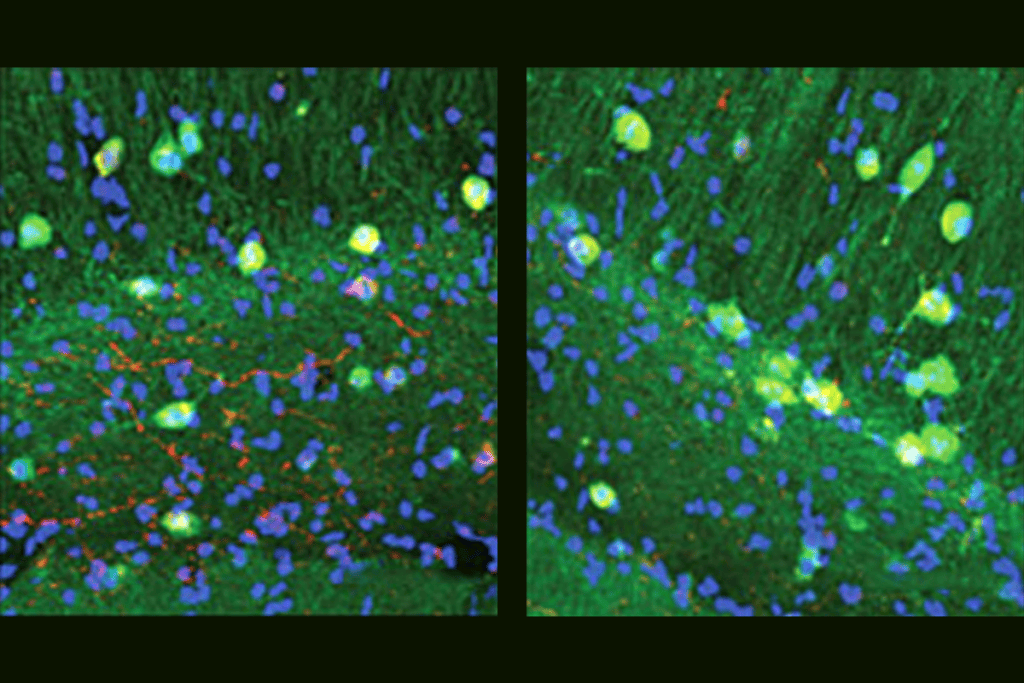
Behavioral phenomics in zebrafish; and more
Here is a roundup of autism-related news and research spotted around the web for the week of 26 October.
Behavioral phenomics in zebrafish; and more
Here is a roundup of autism-related news and research spotted around the web for the week of 26 October.
By
Jill Adams
27 October 2026 | 2 min read

Neuroscience gave AI its start. What happens now?
David Sussillo maps the two fields' divergent paths, and where they might still meet.
Neuroscience gave AI its start. What happens now?
David Sussillo maps the two fields' divergent paths, and where they might still meet.
By
Emily Singer
27 October 2026 | 10 min read