Deep brain stimulation
Recent articles
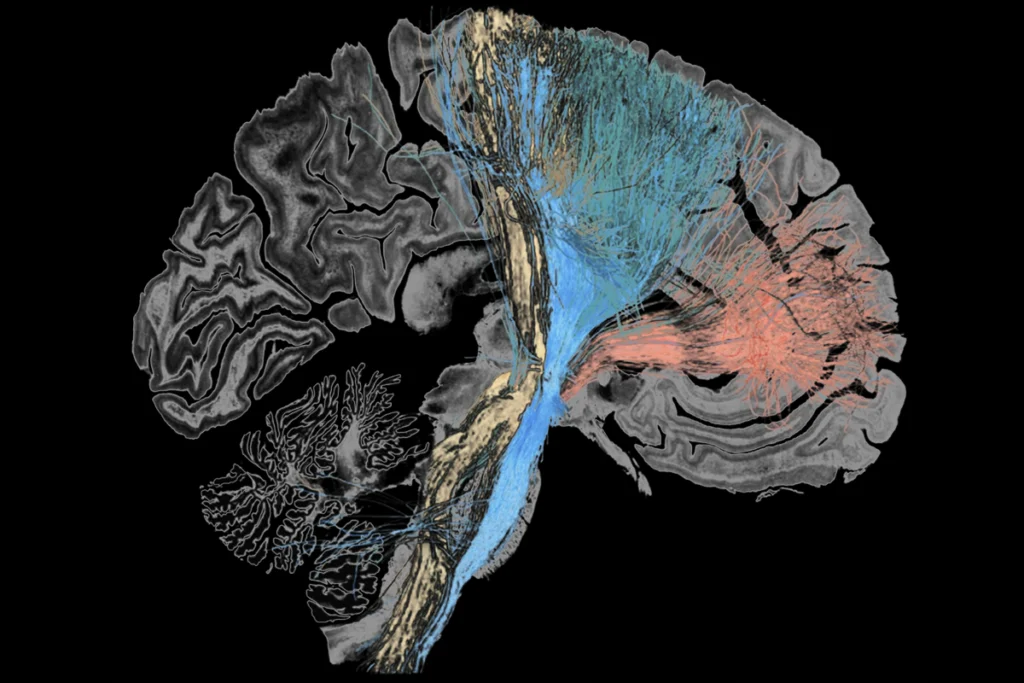
Drafting a ‘dysfunctome’: Faulty connections to subthalamic nucleus characterize disparate brain disorders
Different circuits between the millimeters-wide structure and the cortex go awry in Tourette syndrome, obsessive-compulsive disorder, dystonia and Parkinson’s disease, a new study of human brain scans suggests.
Drafting a ‘dysfunctome’: Faulty connections to subthalamic nucleus characterize disparate brain disorders
Different circuits between the millimeters-wide structure and the cortex go awry in Tourette syndrome, obsessive-compulsive disorder, dystonia and Parkinson’s disease, a new study of human brain scans suggests.
Explore more from The Transmitter
Xiao-Jing Wang outlines the future of theoretical neuroscience
Wang discusses why he decided the time was right for a new theoretical neuroscience textbook and how bifurcation is a key missing concept in neuroscience explanations.
Xiao-Jing Wang outlines the future of theoretical neuroscience
Wang discusses why he decided the time was right for a new theoretical neuroscience textbook and how bifurcation is a key missing concept in neuroscience explanations.

Memory study sparks debate over statistical methods
Critics of a 2024 Nature paper suggest the authors failed to address the risk of false-positive findings. The authors argue more rigorous methods can result in missed leads.
Memory study sparks debate over statistical methods
Critics of a 2024 Nature paper suggest the authors failed to address the risk of false-positive findings. The authors argue more rigorous methods can result in missed leads.
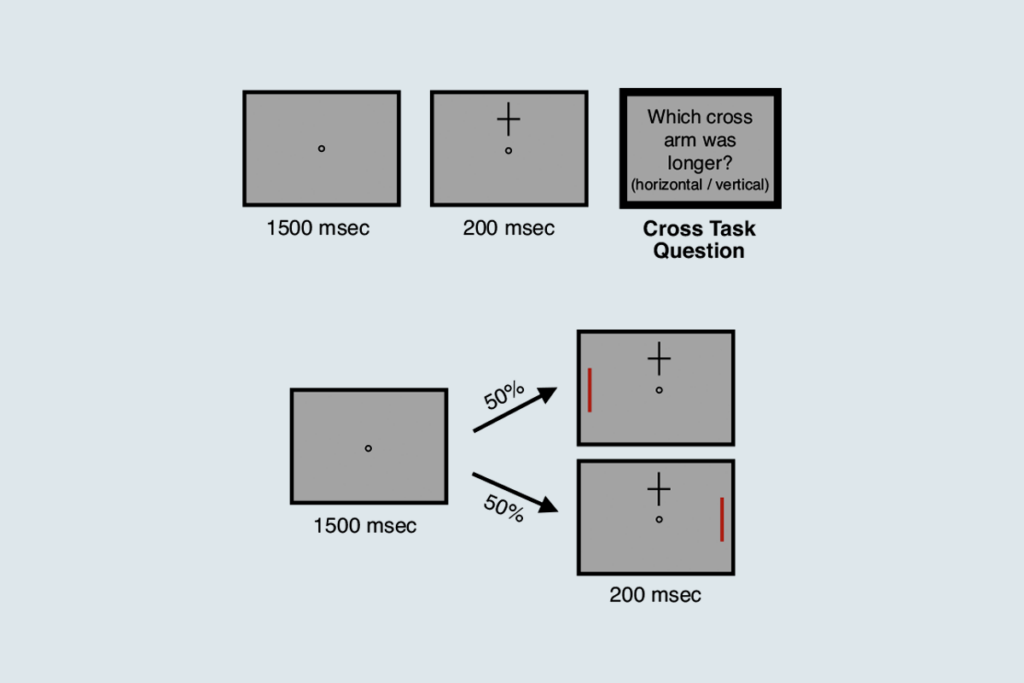
Attention not necessary for visual awareness, large study suggests
People can perceive some visual information even if they do not pay direct attention to it.
Attention not necessary for visual awareness, large study suggests
People can perceive some visual information even if they do not pay direct attention to it.