Connectivity
Recent articles
New projectome captures ‘complex beast’ of serotonin system in mice
The whole-brain map—the first of its kind in a vertebrate—identifies five distinct neuron groups.
New projectome captures ‘complex beast’ of serotonin system in mice
The whole-brain map—the first of its kind in a vertebrate—identifies five distinct neuron groups.
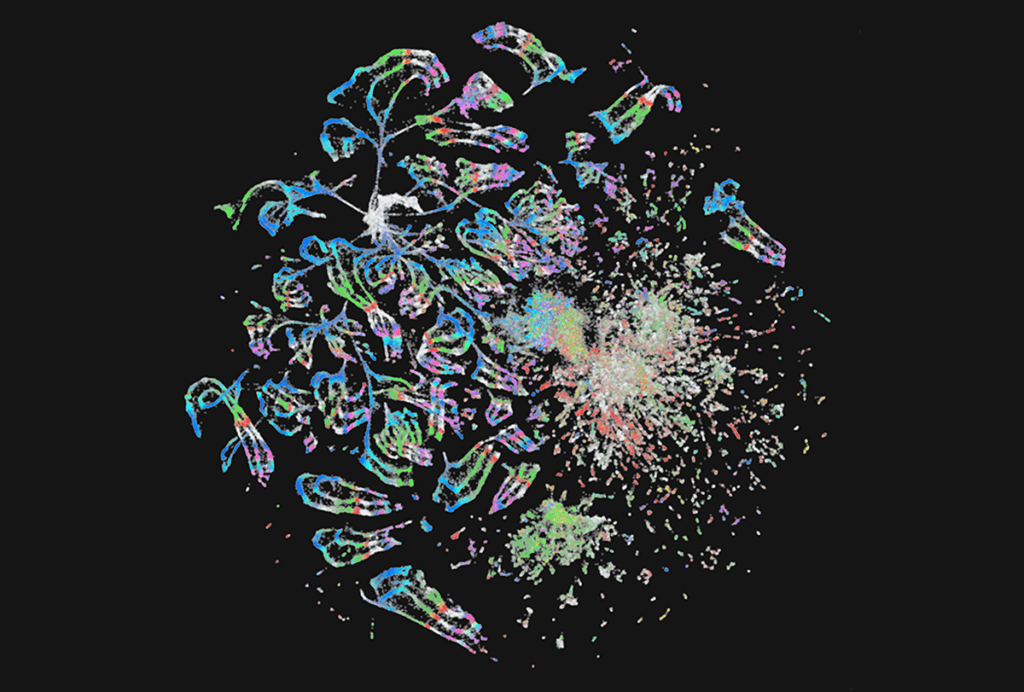
Fly neurons carry molecular signatures of their origins
The pattern of transcription factors a Drosophila neuron expresses offers clues to its lineage and birth order—and ultimately how neural circuits emerge.
Fly neurons carry molecular signatures of their origins
The pattern of transcription factors a Drosophila neuron expresses offers clues to its lineage and birth order—and ultimately how neural circuits emerge.
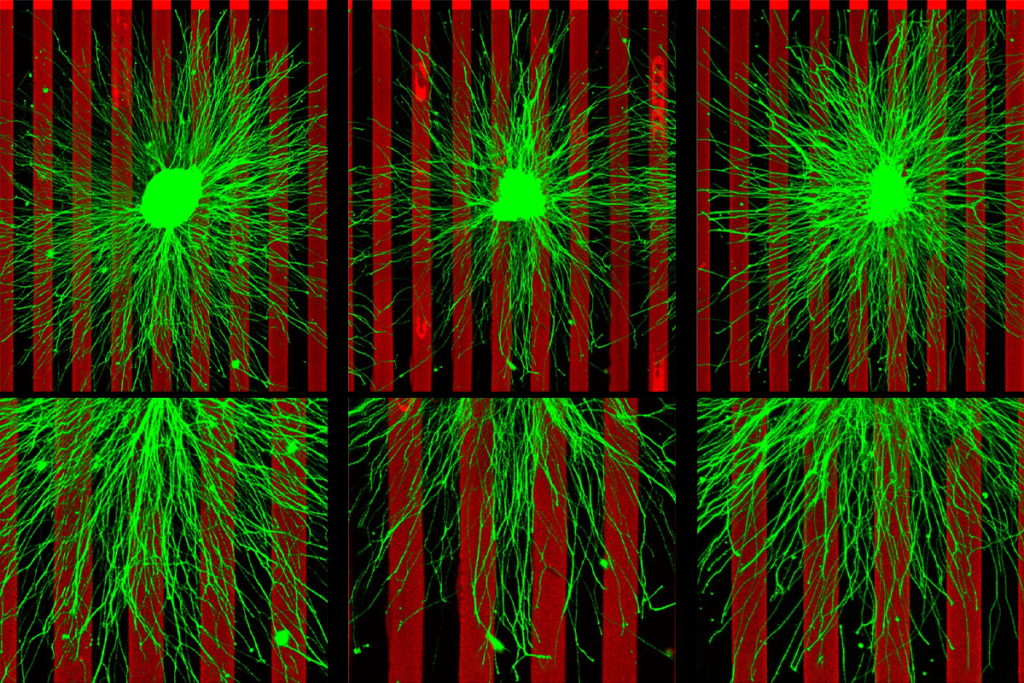
‘Push-pull’ recipe for neural wiring used in multiple brain regions
A versatile pair of proteins steers neurons toward their targets and helps establish the brain’s sensory maps, new studies suggest.
‘Push-pull’ recipe for neural wiring used in multiple brain regions
A versatile pair of proteins steers neurons toward their targets and helps establish the brain’s sensory maps, new studies suggest.
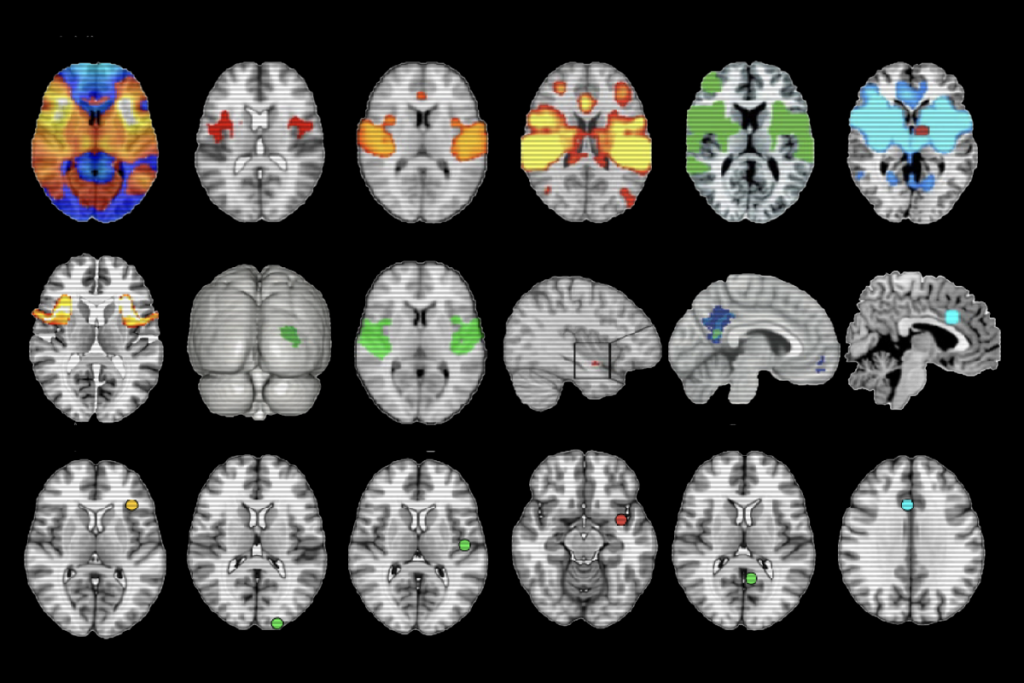
‘Overdue’ debate unfurls over neuroimaging method
After a January paper questioned the validity of an approach called lesion network mapping, its users are pressure testing their results.
‘Overdue’ debate unfurls over neuroimaging method
After a January paper questioned the validity of an approach called lesion network mapping, its users are pressure testing their results.
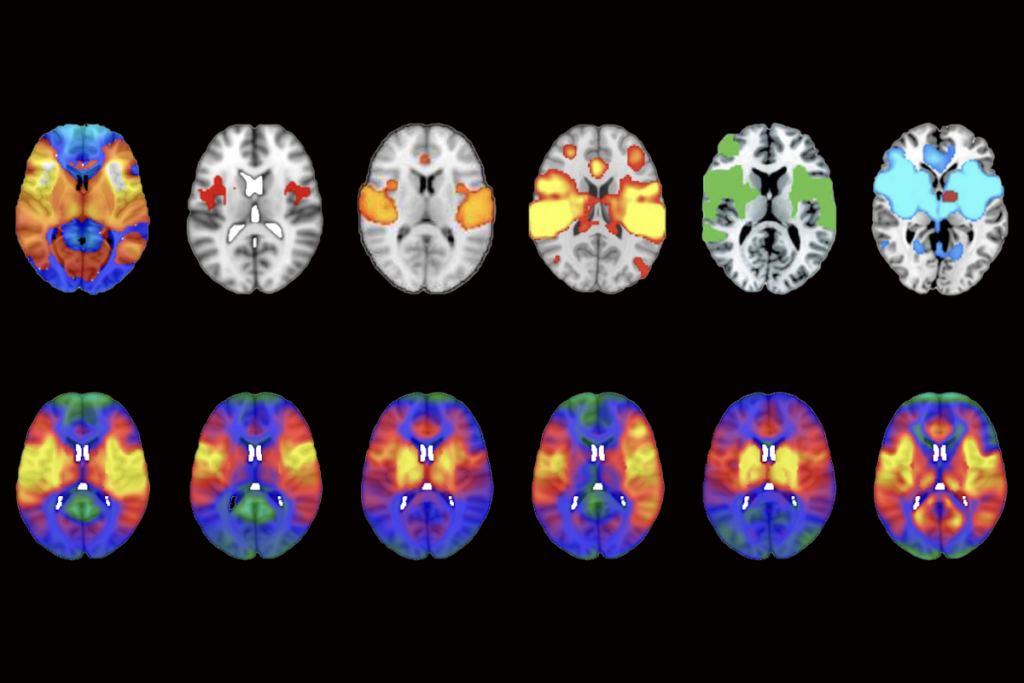
Methodological flaw may upend network mapping tool
The lesion network mapping method, used to identify disease-specific brain networks for clinical stimulation, produces a nearly identical network map for any given condition, according to a new study.
Methodological flaw may upend network mapping tool
The lesion network mapping method, used to identify disease-specific brain networks for clinical stimulation, produces a nearly identical network map for any given condition, according to a new study.
Tatiana Engel explains how to connect high-dimensional neural circuitry with low-dimensional cognitive functions
Neuroscientists have long sought to understand the relationship between structure and function in the vast connectivity and activity patterns in the brain. Engel discusses her modeling approach to discovering the hidden patterns that connect the two.
Tatiana Engel explains how to connect high-dimensional neural circuitry with low-dimensional cognitive functions
Neuroscientists have long sought to understand the relationship between structure and function in the vast connectivity and activity patterns in the brain. Engel discusses her modeling approach to discovering the hidden patterns that connect the two.
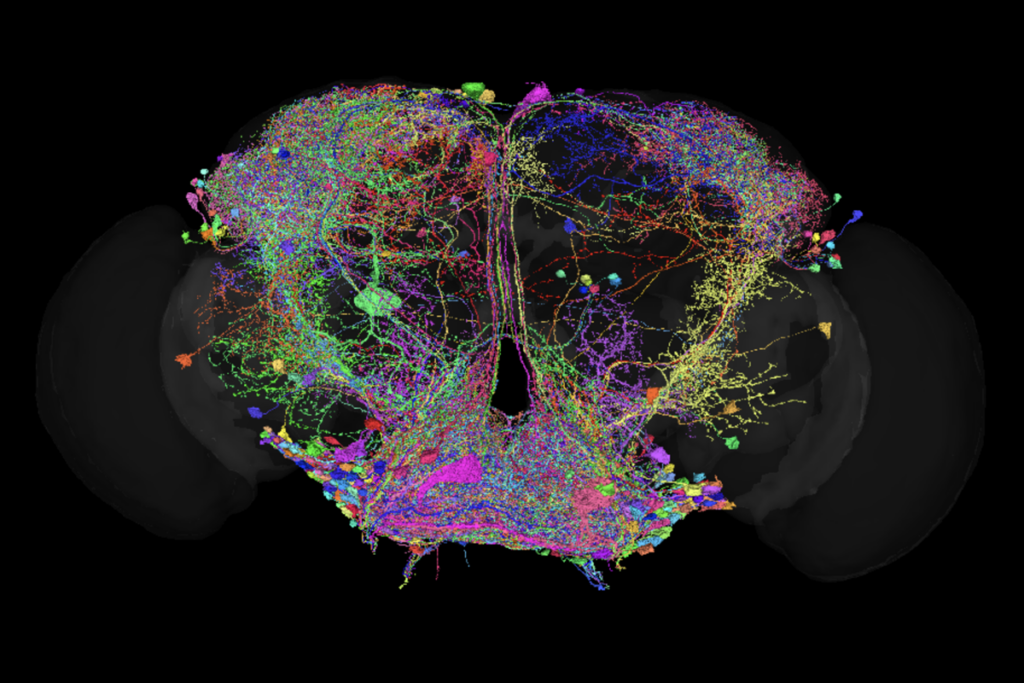
One year of FlyWire: How the resource is redefining Drosophila research
We asked nine neuroscientists how they are using FlyWire data in their labs, how the connectome has transformed the field and what new tools they would like to see in the future.
One year of FlyWire: How the resource is redefining Drosophila research
We asked nine neuroscientists how they are using FlyWire data in their labs, how the connectome has transformed the field and what new tools they would like to see in the future.
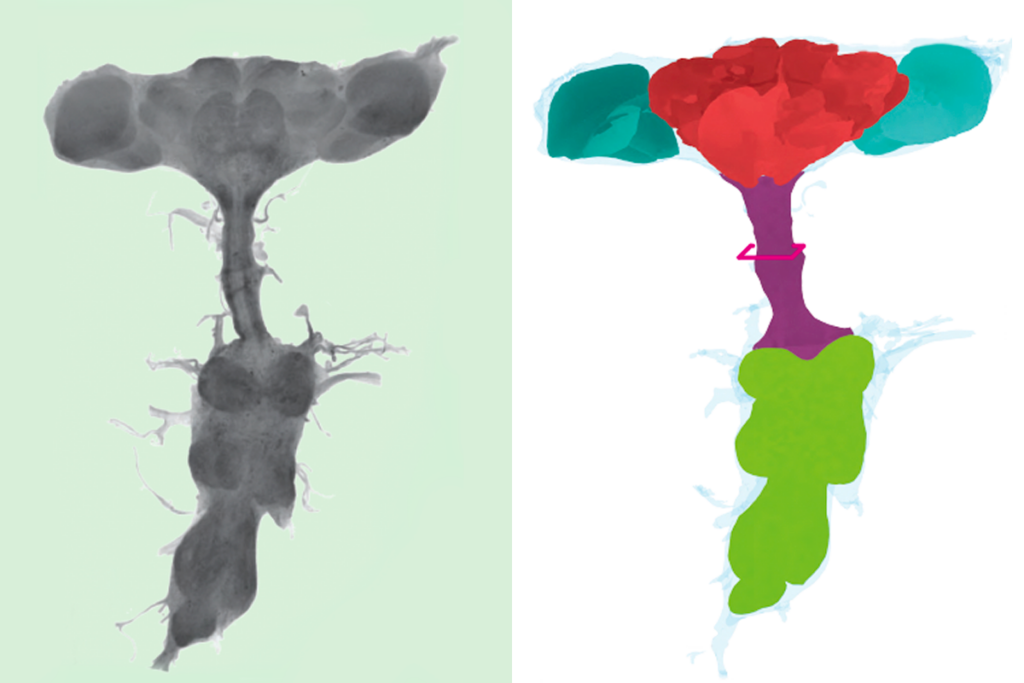
Local circuit loops within body control fly behavior, new ‘embodied’ connectome reveals
The mapping, which traces how the central nervous system interacts with the rest of the body, challenges the idea that behavior control is centralized.
Local circuit loops within body control fly behavior, new ‘embodied’ connectome reveals
The mapping, which traces how the central nervous system interacts with the rest of the body, challenges the idea that behavior control is centralized.
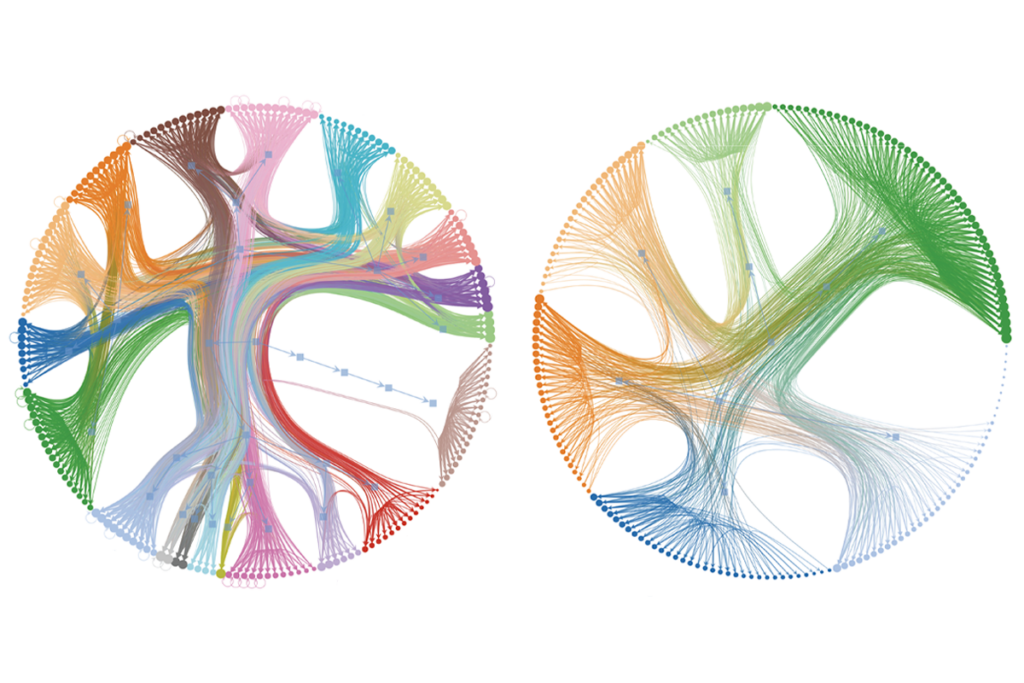
Worms help untangle brain structure/function mystery
The synaptic connectome of most animals bears little resemblance to functional brain maps, but it can still predict neuronal activity, according to two preprints that tackle the puzzle in C. elegans.
Worms help untangle brain structure/function mystery
The synaptic connectome of most animals bears little resemblance to functional brain maps, but it can still predict neuronal activity, according to two preprints that tackle the puzzle in C. elegans.
Longer fMRI brain scans boost reliability—but only to a point
Around 30 minutes of imaging per person seems to be the “sweet spot” for linking functional connectivity differences to traits in an accurate and cost-effective way.
Longer fMRI brain scans boost reliability—but only to a point
Around 30 minutes of imaging per person seems to be the “sweet spot” for linking functional connectivity differences to traits in an accurate and cost-effective way.
Explore more from The Transmitter
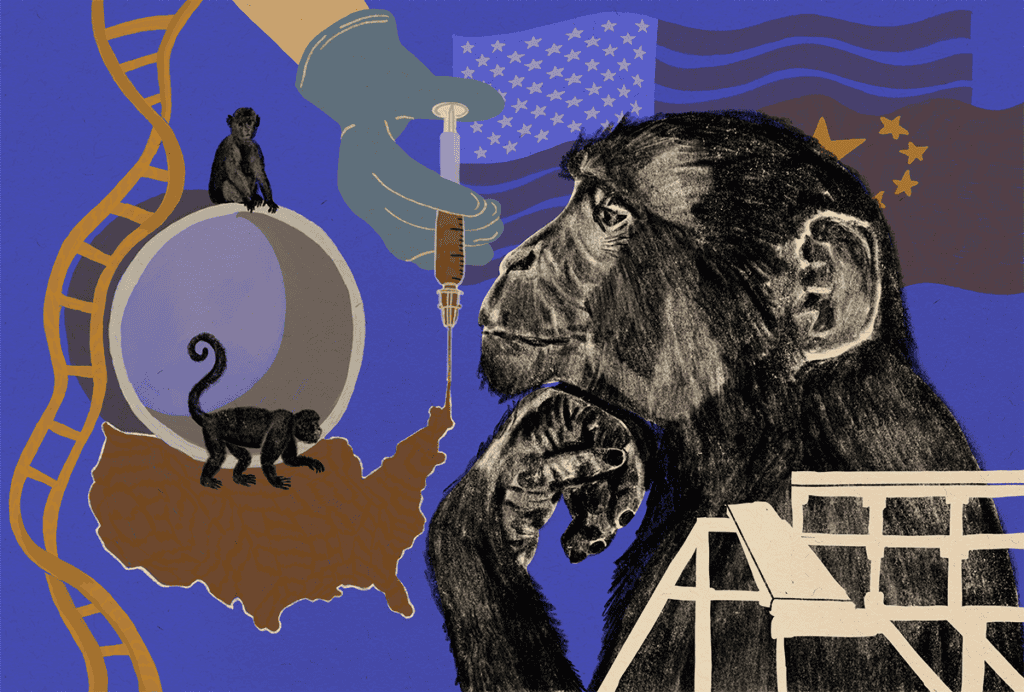
U.S. national primate research centers face an uncertain future
The facilities were meant to last 100 years. Four decades shy of that mark, amid flatlined funds and mounting political pressure, their directors are trying to find a path forward.
U.S. national primate research centers face an uncertain future
The facilities were meant to last 100 years. Four decades shy of that mark, amid flatlined funds and mounting political pressure, their directors are trying to find a path forward.
What if nonhuman primate research goes away?
As the U.S. government takes steps to stop using nonhuman primates in research, The Transmitter investigates what that shift could mean for neuroscience.
What if nonhuman primate research goes away?
As the U.S. government takes steps to stop using nonhuman primates in research, The Transmitter investigates what that shift could mean for neuroscience.
The neuroscience questions that need nonhuman primates
The Transmitter asked 17 neuroscientists what questions might remain unanswered if support for nonhuman primate research continues to decline.
The neuroscience questions that need nonhuman primates
The Transmitter asked 17 neuroscientists what questions might remain unanswered if support for nonhuman primate research continues to decline.