Neuroethics
Recent articles

The Transmitter’s most-read neuroscience book excerpts of 2025
Books by Nachum Ulanovsky, Nicole Rust, and Andrew Iwaniuk and Georg Striedter made the list of some of the year's most engaging neuroscience titles.
The Transmitter’s most-read neuroscience book excerpts of 2025
Books by Nachum Ulanovsky, Nicole Rust, and Andrew Iwaniuk and Georg Striedter made the list of some of the year's most engaging neuroscience titles.
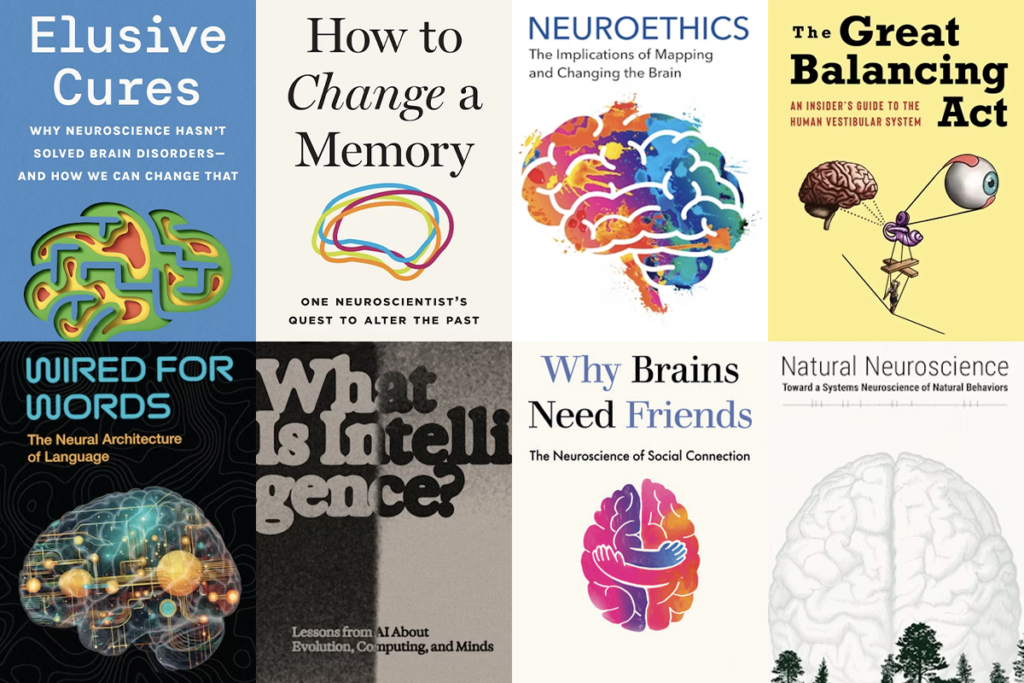
The Transmitter’s reading list: Six upcoming neuroscience books, plus notable titles in 2025
Dig into an exploration of the fundamental aspects of intelligence, a new textbook about theoretical neuroscience and a memoir about memory research, among other new releases.
The Transmitter’s reading list: Six upcoming neuroscience books, plus notable titles in 2025
Dig into an exploration of the fundamental aspects of intelligence, a new textbook about theoretical neuroscience and a memoir about memory research, among other new releases.
‘Bioethics and Brains: A Disciplined and Principled Neuroethics,’ an excerpt
In their new book, published earlier this week, Giordano and Shook examine how ethics can guide neuroscience research and its real-world applications.
‘Bioethics and Brains: A Disciplined and Principled Neuroethics,’ an excerpt
In their new book, published earlier this week, Giordano and Shook examine how ethics can guide neuroscience research and its real-world applications.
Explore more from The Transmitter
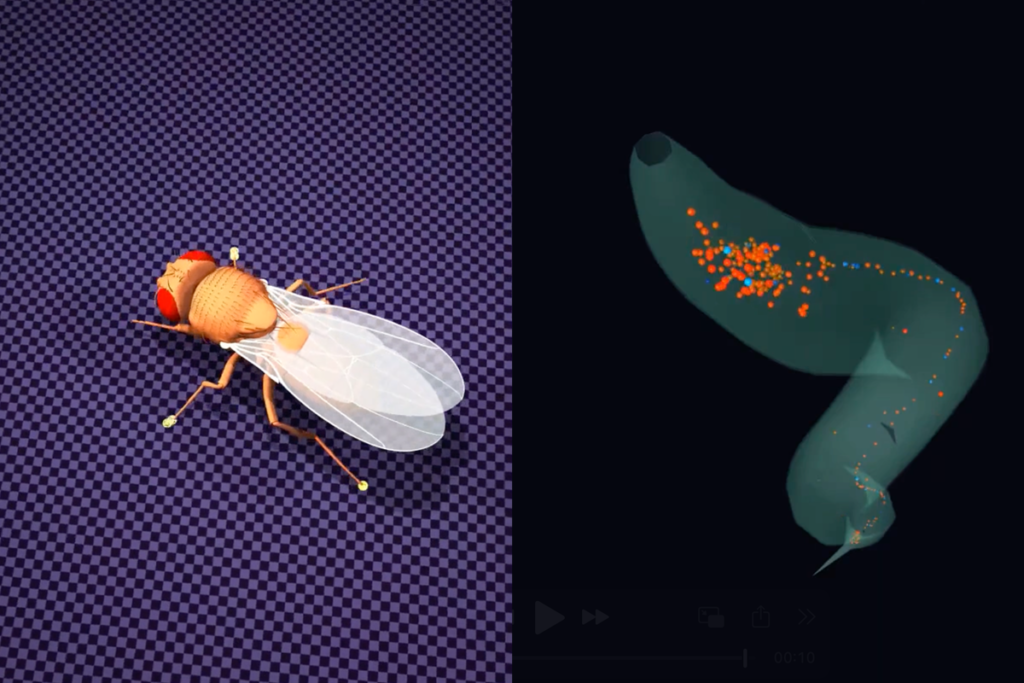
‘Digital sphinx’ raises questions about connectome models
The sphinx, with a worm’s brain and a fly’s body, illustrates the potential pitfalls of using deep-learning techniques to model biological processes.
‘Digital sphinx’ raises questions about connectome models
The sphinx, with a worm’s brain and a fly’s body, illustrates the potential pitfalls of using deep-learning techniques to model biological processes.
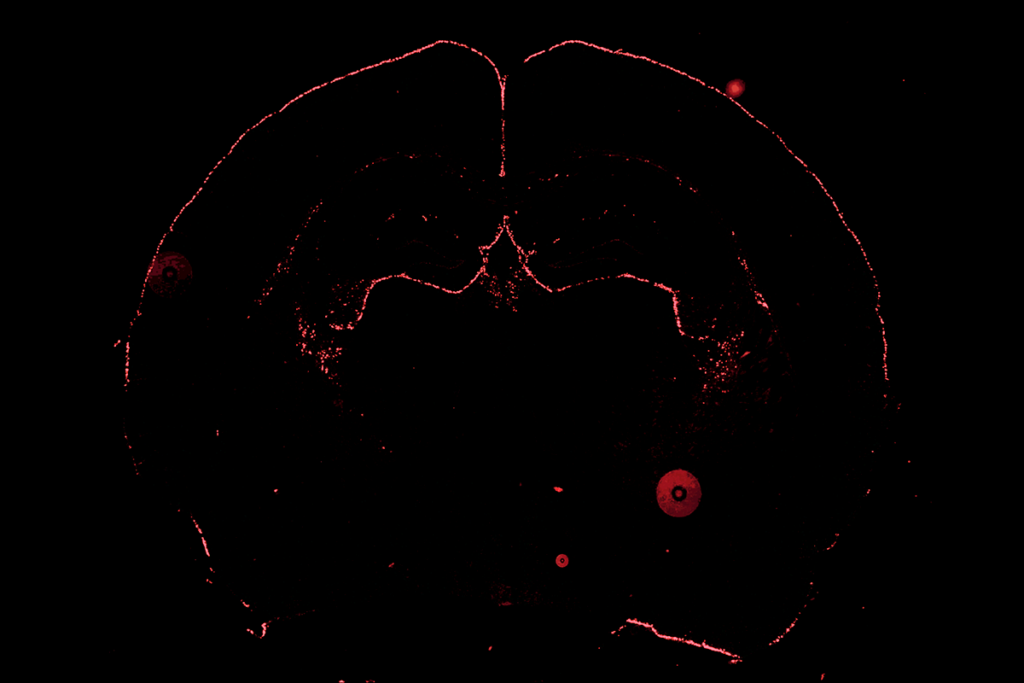
Taking a closer look at astrocytes and autism
These glial cells are increasingly linked to neurodevelopmental conditions and the regulation of social behaviors and anxiety.
Taking a closer look at astrocytes and autism
These glial cells are increasingly linked to neurodevelopmental conditions and the regulation of social behaviors and anxiety.
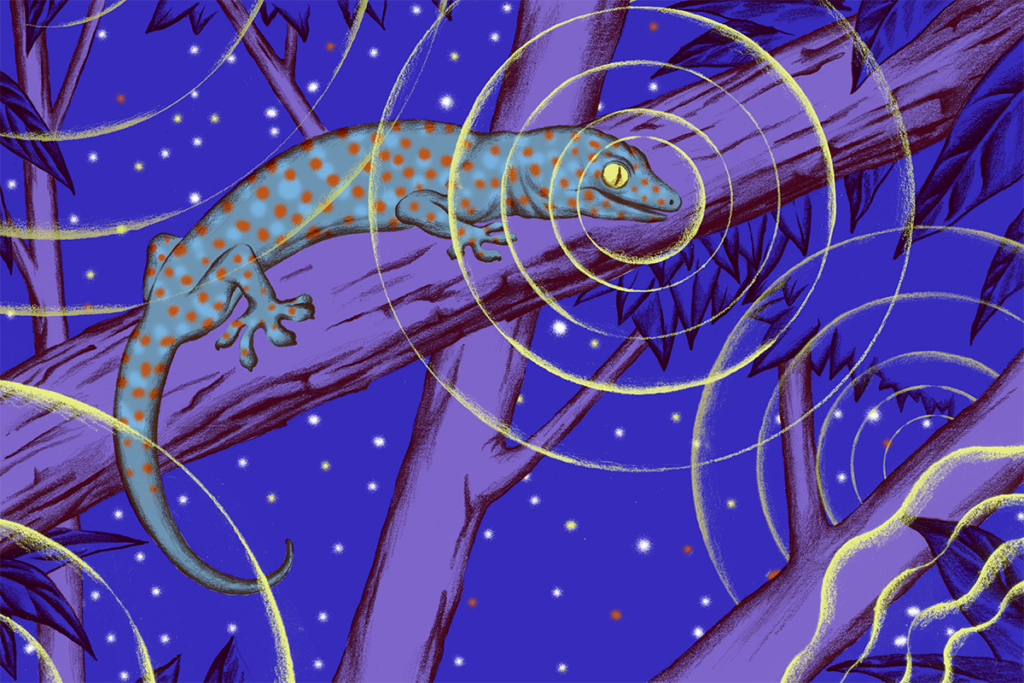
Neuro’s ark: Sounding out the evolution of hearing with geckos
Catherine Carr explains her discovery that geckos retain a vibration-sensing pathway previously thought to be lost when animals moved onto land.
Neuro’s ark: Sounding out the evolution of hearing with geckos
Catherine Carr explains her discovery that geckos retain a vibration-sensing pathway previously thought to be lost when animals moved onto land.