Helena Kudiabor is a former news reporting intern for The Transmitter. She completed her M.Sc. in science communication at Imperial College London and holds a B.A. in global health and social medicine from King’s College London. Before joining The Transmitter, she interned at Nature and participated in a mentoring program with Vox Media.

Helena Kudiabor
Former news reporting intern
The Transmitter
From this contributor
Microglia in hypothalamus help kick-start puberty
In a “surprise” role, the cells regulate the neurons that produce gonadotropin-releasing hormone.
Microglia in hypothalamus help kick-start puberty
By
Helena Kudiabor
6 May 2026 | 0 min watch
What neuroscientists want from a new NINDS director
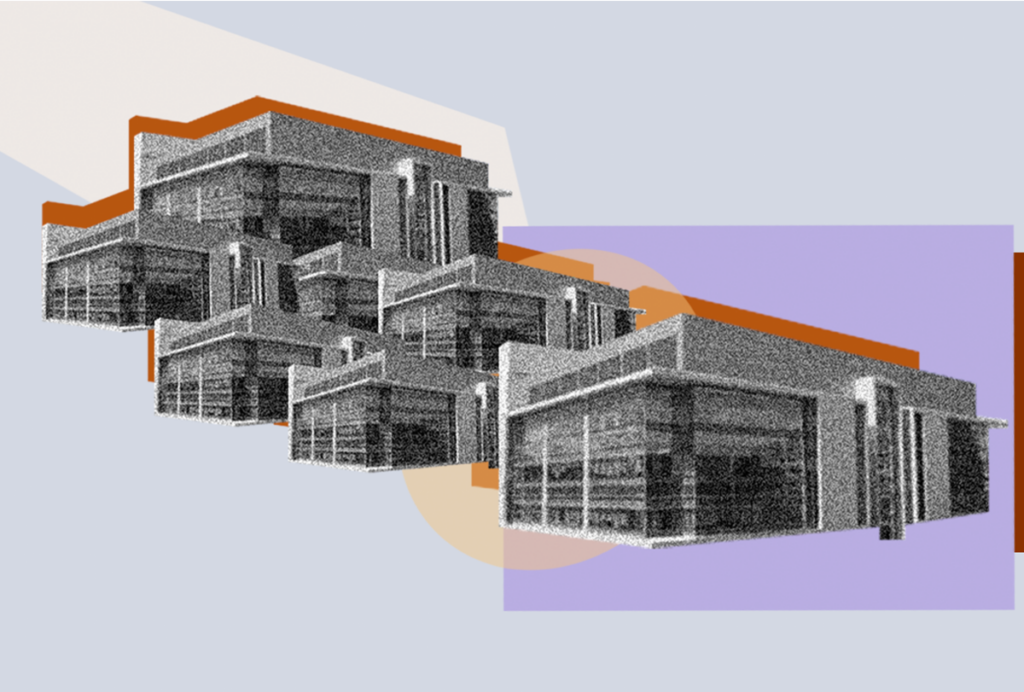
The search is underway for the next director of the U.S. National Institute of Neurological Disorders and Stroke, who will face a range of challenges, neuroscientists say, but will also have an “immense opportunity to do good things.”
What neuroscientists want from a new NINDS director
By
Helena Kudiabor
15 April 2026 | 4 min read

Computational neuroscientist Keith Hengen explains his work through illustrations
The images help him communicate the “big-picture ideas” behind the mathematical principles of neuronal networks.
Computational neuroscientist Keith Hengen explains his work through illustrations
By
Helena Kudiabor
7 April 2026 | 4 min read
What geckos tell us about the evolution of hearing
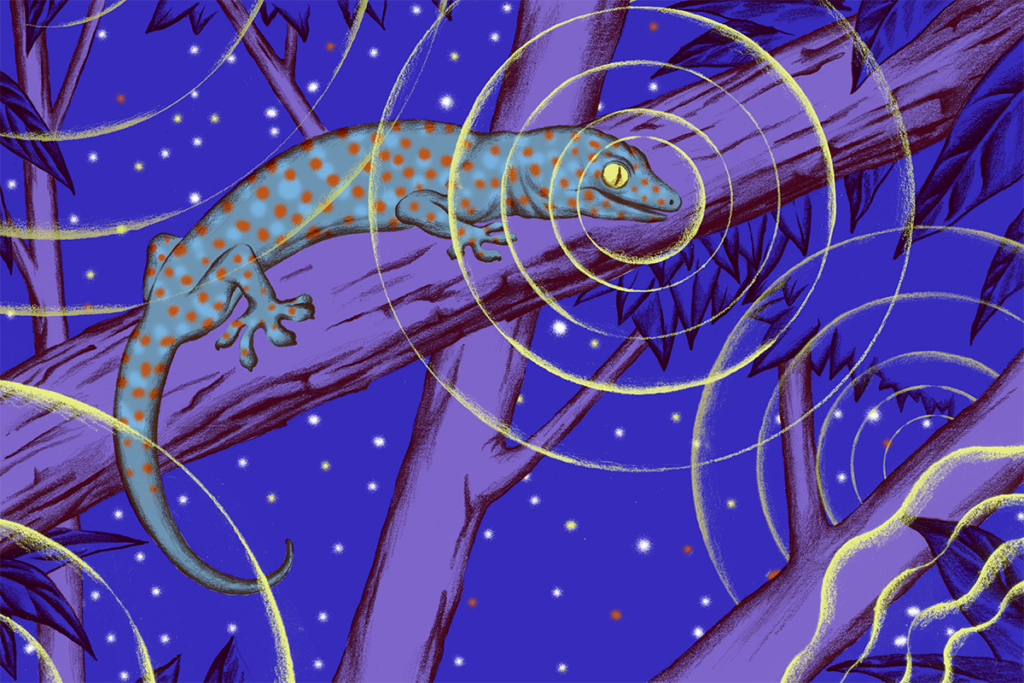
Catherine Carr explains her discovery that geckos retain a vibration-sensing pathway previously thought to be lost when animals moved onto land.
What geckos tell us about the evolution of hearing
By
Helena Kudiabor
1 April 2026 | 5 min read

Two neurobiologists win 2026 Brain Prize for discovering mechanics of touch
Research by Patrik Ernfors and David Ginty has delineated the diverse cell types of the somatosensory system and revealed how they detect and discriminate among different types of tactile information.
Two neurobiologists win 2026 Brain Prize for discovering mechanics of touch
By
Helena Kudiabor
5 March 2026 | 4 min read
Explore more from The Transmitter
The neural code at 100
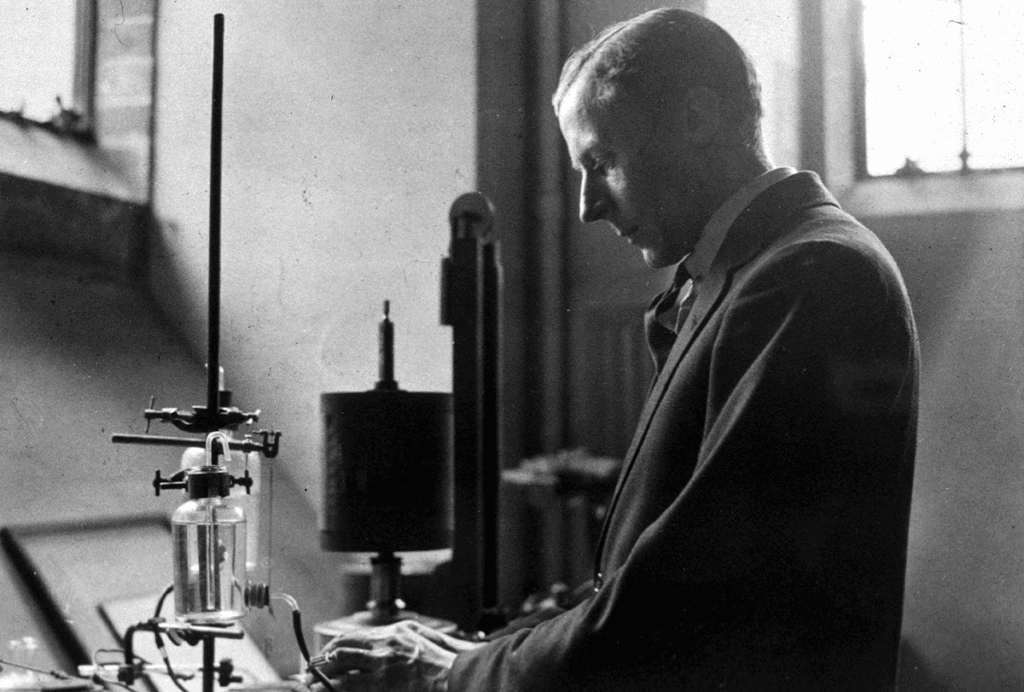
In two 1926 articles, Edgar Douglas Adrian revealed that neurons communicate through trains of spikes.
The neural code at 100
In two 1926 articles, Edgar Douglas Adrian revealed that neurons communicate through trains of spikes.
By
Matteo Carandini
12 October 2026 | 8 min read
U.S. national primate research centers face an uncertain future
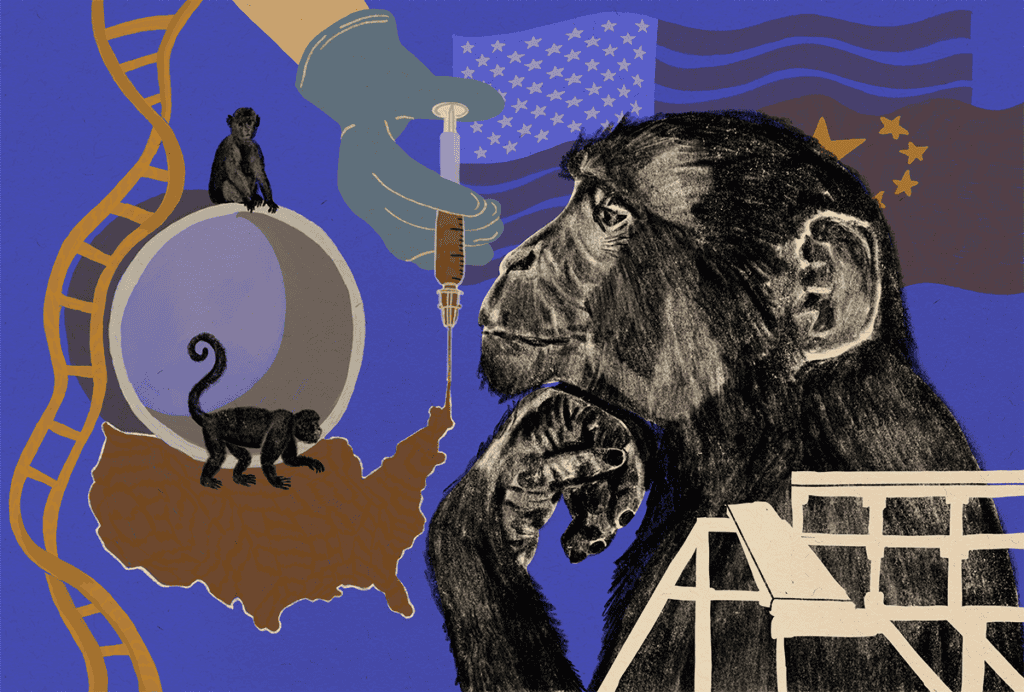
The facilities were meant to last 100 years. Four decades shy of that mark, amid flatlined funds and mounting political pressure, their directors are trying to find a path forward.
U.S. national primate research centers face an uncertain future
The facilities were meant to last 100 years. Four decades shy of that mark, amid flatlined funds and mounting political pressure, their directors are trying to find a path forward.
By
Calli McMurray
9 October 2026 | 12 min read
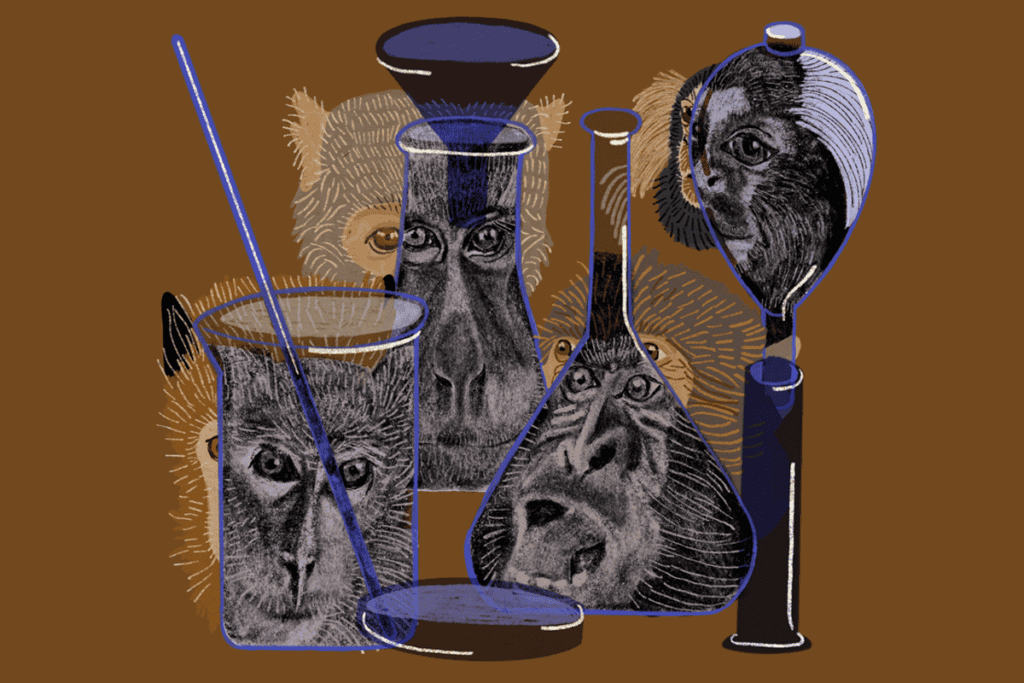
What if nonhuman primate research goes away?
As the U.S. government takes steps to stop using nonhuman primates in research, The Transmitter investigates what that shift could mean for neuroscience.
What if nonhuman primate research goes away?
As the U.S. government takes steps to stop using nonhuman primates in research, The Transmitter investigates what that shift could mean for neuroscience.
By
The Transmitter
9 October 2026 | 2 min read