Retraction
Recent articles
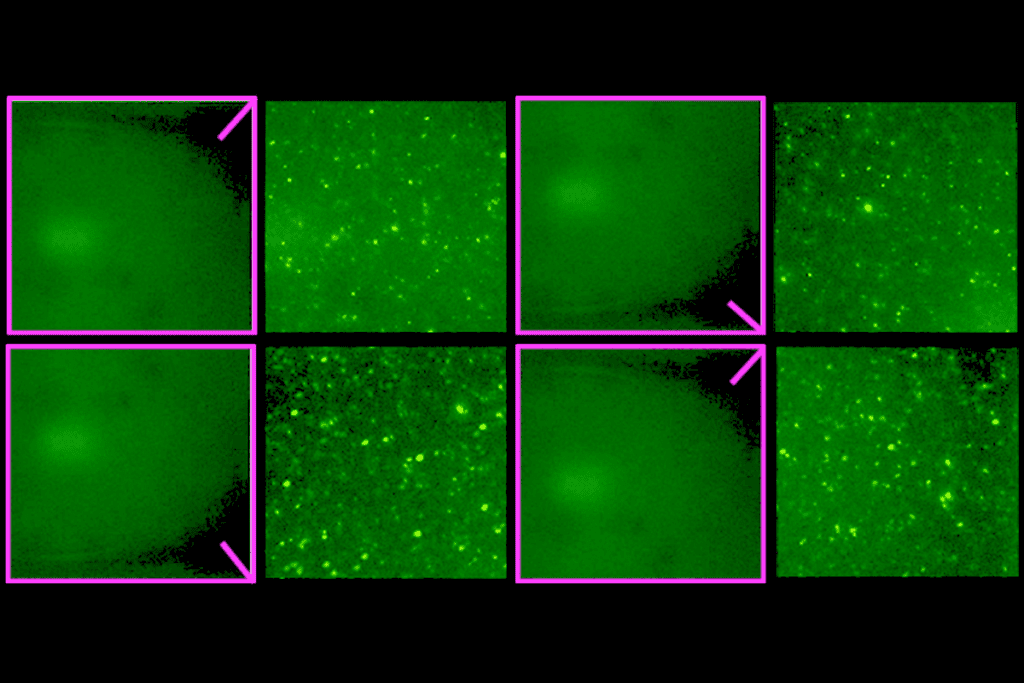
University probe leads to retraction of four neural tube studies
The University of Maryland conducted an internal investigation that identified image duplications and other data integrity issues in the studies, according to the retraction notices.
University probe leads to retraction of four neural tube studies
The University of Maryland conducted an internal investigation that identified image duplications and other data integrity issues in the studies, according to the retraction notices.

Neuropathologist not guilty of research misconduct, says university probe
The investigation determined that seven papers by corresponding author Adriano Aguzzi have “scientifically significant” errors, which Aguzzi attributes to his former students.
Neuropathologist not guilty of research misconduct, says university probe
The investigation determined that seven papers by corresponding author Adriano Aguzzi have “scientifically significant” errors, which Aguzzi attributes to his former students.
Researchers retract multisensory learning paper after failed replications
Even though one set of experiments did not hold up, the authors stand by the original conclusions of the work and plan to resubmit it as a new paper.
Researchers retract multisensory learning paper after failed replications
Even though one set of experiments did not hold up, the authors stand by the original conclusions of the work and plan to resubmit it as a new paper.

Largest leucovorin-autism trial retracted
A reanalysis of the data revealed errors and failed to replicate the results.
Largest leucovorin-autism trial retracted
A reanalysis of the data revealed errors and failed to replicate the results.

Exclusive: Springer Nature retracts, removes nearly 40 publications that trained neural networks on ‘bonkers’ dataset
The dataset contains images of children’s faces downloaded from websites about autism, which sparked concerns at Springer Nature about consent and reliability.
Exclusive: Springer Nature retracts, removes nearly 40 publications that trained neural networks on ‘bonkers’ dataset
The dataset contains images of children’s faces downloaded from websites about autism, which sparked concerns at Springer Nature about consent and reliability.
Journal retracts two papers evaluating ADHD interventions
Frontiers in Public Health retracted one paper for its “unacceptable level of similarity” to another paper, and the other over concerns about its “scientific validity.”
Journal retracts two papers evaluating ADHD interventions
Frontiers in Public Health retracted one paper for its “unacceptable level of similarity” to another paper, and the other over concerns about its “scientific validity.”
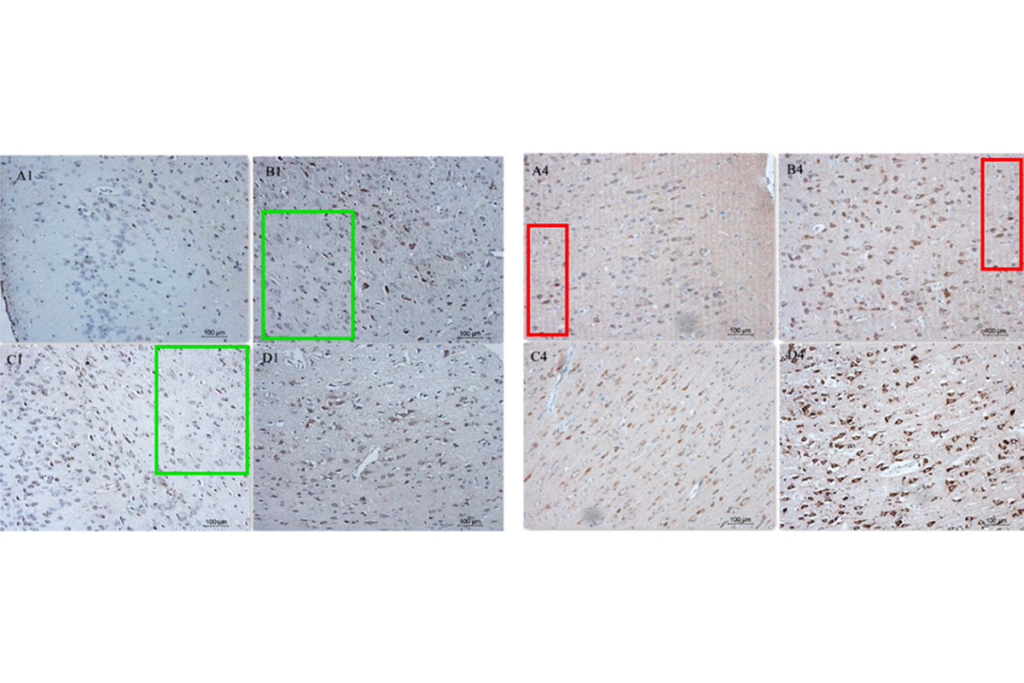
Image integrity issues create new headache for subarachnoid hemorrhage research
First-time sleuths found potentially problematic images in hundreds of papers about early brain injury after subarachnoid hemorrhage.
Image integrity issues create new headache for subarachnoid hemorrhage research
First-time sleuths found potentially problematic images in hundreds of papers about early brain injury after subarachnoid hemorrhage.
Authors retract Science paper on controversial fMRI method
Several known but usually negligible MRI artifacts contribute to the neuronal activity signal picked up by the method, according to a preprint the authors posted earlier this month.
Authors retract Science paper on controversial fMRI method
Several known but usually negligible MRI artifacts contribute to the neuronal activity signal picked up by the method, according to a preprint the authors posted earlier this month.

Alzheimer’s paper retracted over apparent image duplication
The editors of Neurobiology of Disease, which published the paper, also questioned how the study’s experimental protocols received ethical approval.
Alzheimer’s paper retracted over apparent image duplication
The editors of Neurobiology of Disease, which published the paper, also questioned how the study’s experimental protocols received ethical approval.

Contested paper on vaccines, autism in rats retracted by journal
The editor-in-chief cited “inconsistencies in the number of subjects” as the reason for the retraction.
Contested paper on vaccines, autism in rats retracted by journal
The editor-in-chief cited “inconsistencies in the number of subjects” as the reason for the retraction.
Explore more from The Transmitter
Commentary: Citation graphs may underestimate neuroscience’s influence on AI
An alternative, albeit less quantitative, way to trace this history is through the people who carried ideas between the fields.
Commentary: Citation graphs may underestimate neuroscience’s influence on AI
An alternative, albeit less quantitative, way to trace this history is through the people who carried ideas between the fields.
Commentary: The rising absolute number of neuro-inspired AI papers represents a substantial footprint
Many of the design choices present in the current generation of artificial-intelligence tools parallel purported properties of the brain.
Commentary: The rising absolute number of neuro-inspired AI papers represents a substantial footprint
Many of the design choices present in the current generation of artificial-intelligence tools parallel purported properties of the brain.
Examining the bridge between neuroscience and AI
A citation analysis reveals that the connection between the two fields is real and gaining momentum. But it’s also narrow and tool-heavy; we need to find ways to widen it.
Examining the bridge between neuroscience and AI
A citation analysis reveals that the connection between the two fields is real and gaining momentum. But it’s also narrow and tool-heavy; we need to find ways to widen it.