2022: The year in review
Recent articles
40 under 40
In 2022, we asked our profile subjects and sources to flag rising stars in their labs or among their former students. The result is this list of 40 young researchers who are working on autism-related science across the globe.
40 under 40
In 2022, we asked our profile subjects and sources to flag rising stars in their labs or among their former students. The result is this list of 40 young researchers who are working on autism-related science across the globe.
Hot topics in autism research in 2022
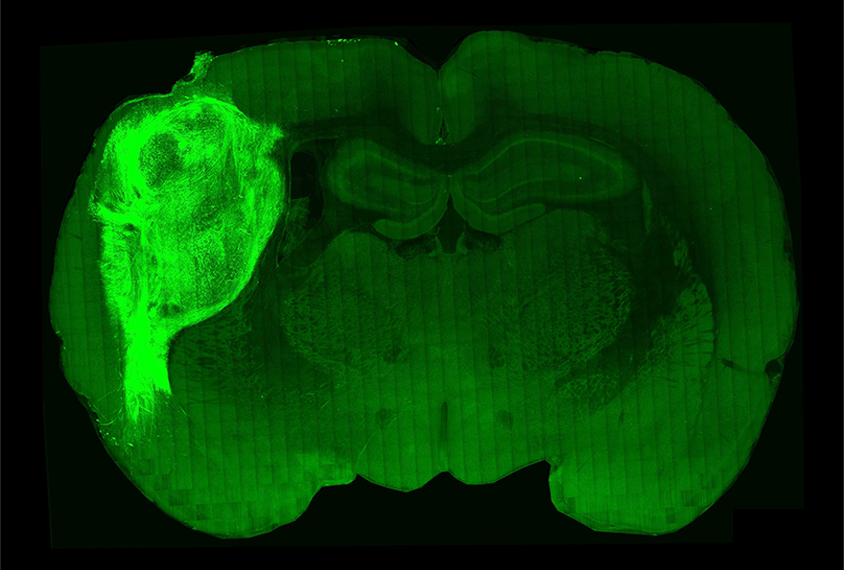
This year saw the debut of ever-more complex techniques to grow and analyze brain organoids and other 3D tissue cultures, among other advances.
Hot topics in autism research in 2022
This year saw the debut of ever-more complex techniques to grow and analyze brain organoids and other 3D tissue cultures, among other advances.

Autism researchers’ top tweets in 2022
Social media chatter this past year took up a mysterious gene region, the brain’s physical geometry and other topics related to the advancement of autism science.
Autism researchers’ top tweets in 2022
Social media chatter this past year took up a mysterious gene region, the brain’s physical geometry and other topics related to the advancement of autism science.
Top conferences of 2023
Track some of the major autism science meetings next year on our timeline, and tell us which ones you plan to attend.
Top conferences of 2023
Track some of the major autism science meetings next year on our timeline, and tell us which ones you plan to attend.
Explore more from The Transmitter
Neuroscience conference policy draws confusion, apology
NeurIPS organizers apologized and altered course after issuing a policy that barred submissions from researchers at U.S.-government-sanctioned institutions.
Neuroscience conference policy draws confusion, apology
NeurIPS organizers apologized and altered course after issuing a policy that barred submissions from researchers at U.S.-government-sanctioned institutions.
Funding for animal research alternatives reaches ‘inflection point’
The United States and Europe are dedicating hundreds of millions of dollars in funding to advance novel alternative methods, but not all neuroscientists see this as a positive step.
Funding for animal research alternatives reaches ‘inflection point’
The United States and Europe are dedicating hundreds of millions of dollars in funding to advance novel alternative methods, but not all neuroscientists see this as a positive step.

‘Friction-maxxing’ in school: Students should read primary literature, not AI summaries
Trainees need to learn how to identify a neuroscience paper’s major takeaways and integrate them into their understanding. This skill doesn’t come from outsourcing the work to large language models.
‘Friction-maxxing’ in school: Students should read primary literature, not AI summaries
Trainees need to learn how to identify a neuroscience paper’s major takeaways and integrate them into their understanding. This skill doesn’t come from outsourcing the work to large language models.