ASHG 2017
Recent articles
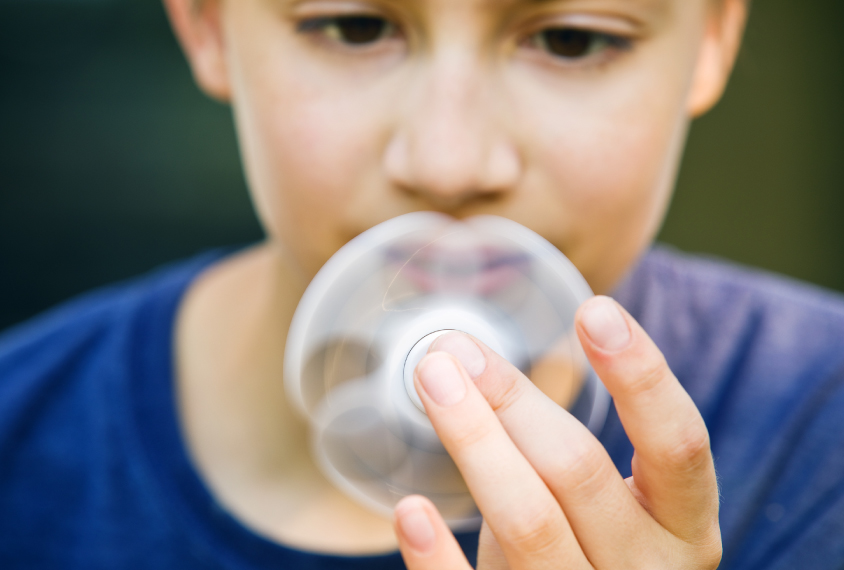
Risk genes for autism overlap with those for attention deficit
People with attention deficit hyperactivity disorder may carry certain rare, harmful mutations in many of the same genes as people with autism.
Risk genes for autism overlap with those for attention deficit
People with attention deficit hyperactivity disorder may carry certain rare, harmful mutations in many of the same genes as people with autism.
Second ‘hits’ may explain autism mutations’ varied effects
People who have a mutation linked to autism plus a second genetic glitch tend to have more severe symptoms than those with the mutation alone.
Second ‘hits’ may explain autism mutations’ varied effects
People who have a mutation linked to autism plus a second genetic glitch tend to have more severe symptoms than those with the mutation alone.
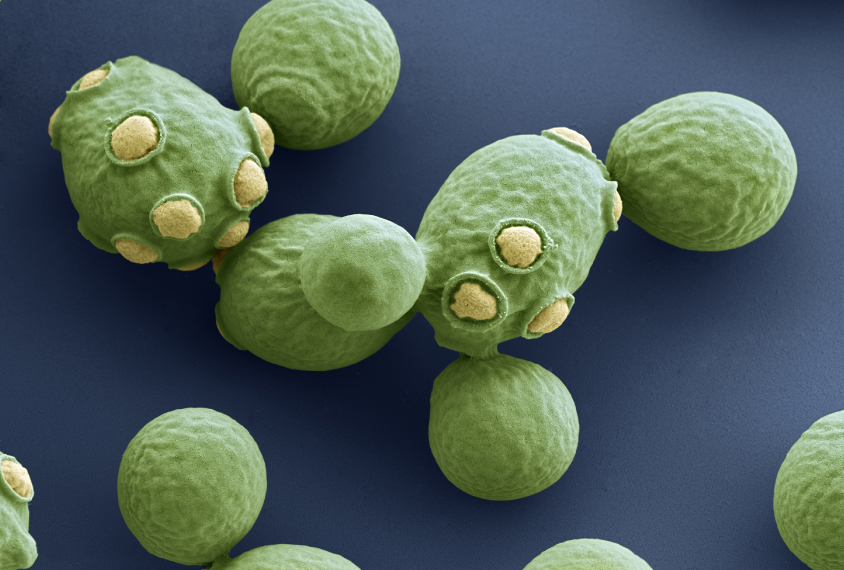
Yeast assay illuminates effects of mutations in top autism gene
Mutations in the gene PTEN that are tied to autism may be less harmful than those linked to a syndrome characterized by benign tumors.
Yeast assay illuminates effects of mutations in top autism gene
Mutations in the gene PTEN that are tied to autism may be less harmful than those linked to a syndrome characterized by benign tumors.

Mosaic mutations in sperm point to increased autism risk
More than 5 percent of mutations thought to have arisen spontaneously in a child with autism may in fact be inherited.
Mosaic mutations in sperm point to increased autism risk
More than 5 percent of mutations thought to have arisen spontaneously in a child with autism may in fact be inherited.

Rare autism mutations linked to low intelligence
People with autism who have rare, damaging mutations tend to have low scores on intelligence tests.
Rare autism mutations linked to low intelligence
People with autism who have rare, damaging mutations tend to have low scores on intelligence tests.
Explore more from The Transmitter
Head direction cells stably orient mice to outside world
The cells’ representations show little drift over time—unlike those of other navigation system neurons—and may provide a “rigid backbone” for more flexible sensory and cognitive responses.
Head direction cells stably orient mice to outside world
The cells’ representations show little drift over time—unlike those of other navigation system neurons—and may provide a “rigid backbone” for more flexible sensory and cognitive responses.
Juan Gallego discusses how manifolds are transforming our understanding of the coordination of neuronal population activity
A wealth of evidence supports the view that neural manifolds are real and useful, Gallego says, even if they may not completely solve the age-old mind-body problem.
Juan Gallego discusses how manifolds are transforming our understanding of the coordination of neuronal population activity
A wealth of evidence supports the view that neural manifolds are real and useful, Gallego says, even if they may not completely solve the age-old mind-body problem.
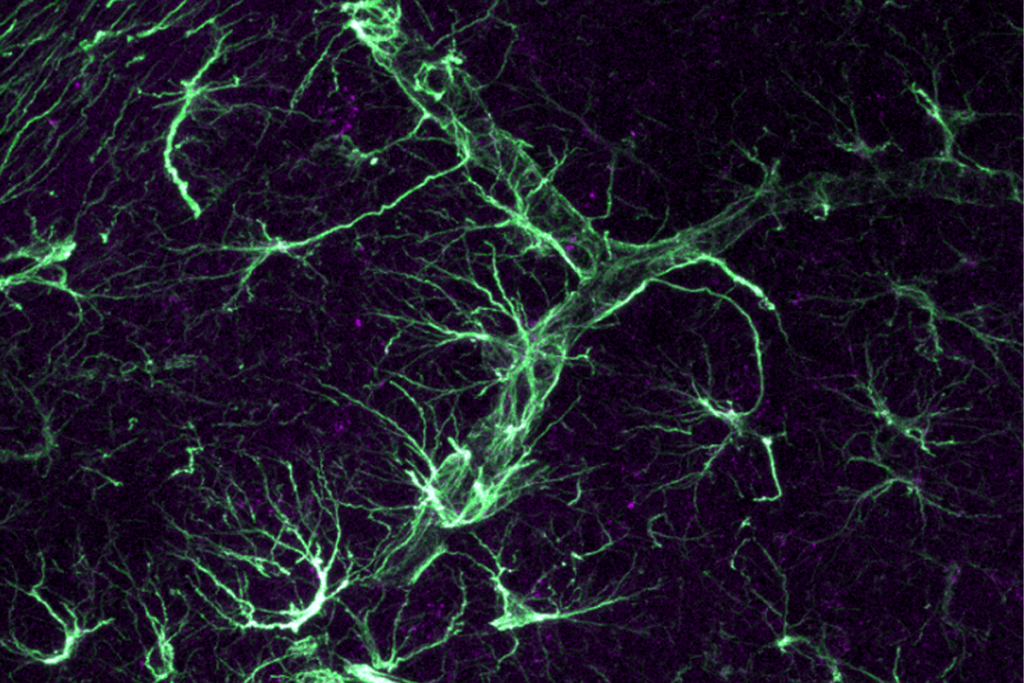
Astrocytes in mouse amygdala encode emotional state
The glial cells’ activity reliably tracks with freezing, hesitancy and other behaviors reminiscent of anxiety.
Astrocytes in mouse amygdala encode emotional state
The glial cells’ activity reliably tracks with freezing, hesitancy and other behaviors reminiscent of anxiety.