Frameshift
Recent articles
Neuroscientists with careers outside academic labs discuss their work and how they made the transition.
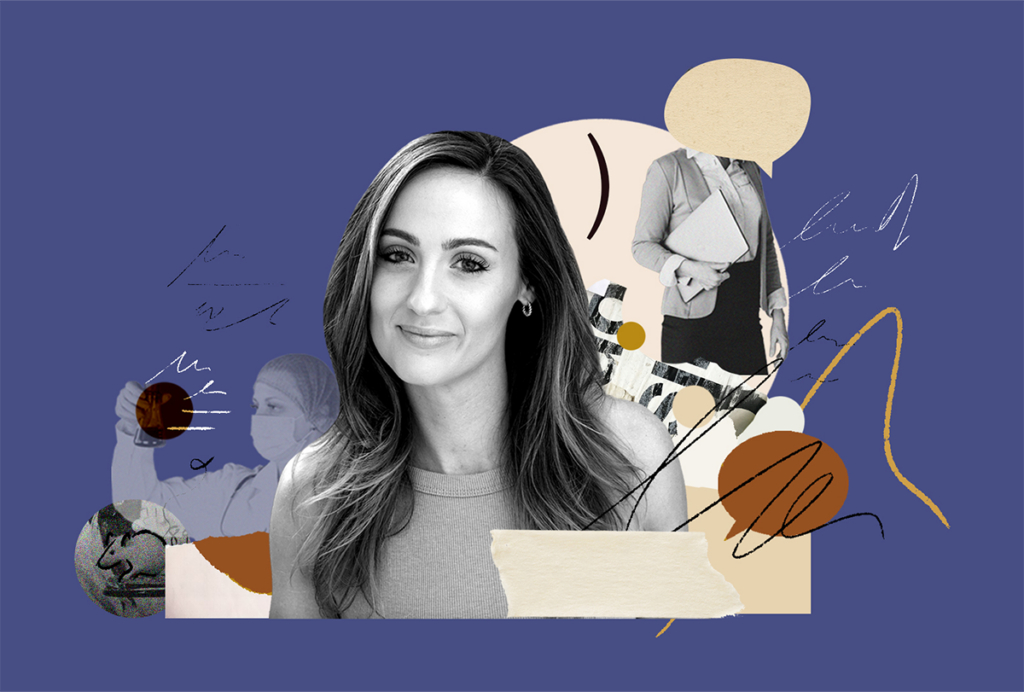
Frameshift: How Caitlin Vander Weele made science communication her business
Her favorite part of research was talking about it. So she left academia and turned that passion into a successful company.
Frameshift: How Caitlin Vander Weele made science communication her business
Her favorite part of research was talking about it. So she left academia and turned that passion into a successful company.
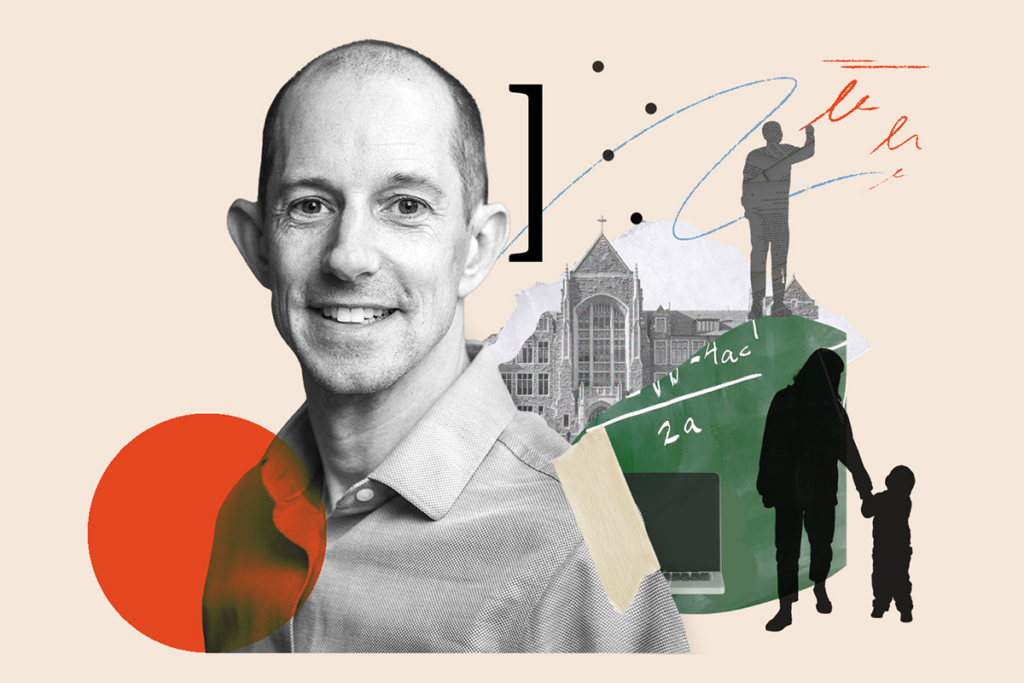
Frameshift: Raphe Bernier followed his heart out of academia, then made his way back again
After a clinical research career, an interlude at Apple and four months in early retirement, Raphe Bernier found joy in teaching.
Frameshift: Raphe Bernier followed his heart out of academia, then made his way back again
After a clinical research career, an interlude at Apple and four months in early retirement, Raphe Bernier found joy in teaching.

Frameshift: At a biotech firm, Ubadah Sabbagh embraces the expansive world outside academia
As chief of staff at Arcadia, Ubadah Sabbagh gets to do science while also pushing the boundaries of how science gets done.
Frameshift: At a biotech firm, Ubadah Sabbagh embraces the expansive world outside academia
As chief of staff at Arcadia, Ubadah Sabbagh gets to do science while also pushing the boundaries of how science gets done.
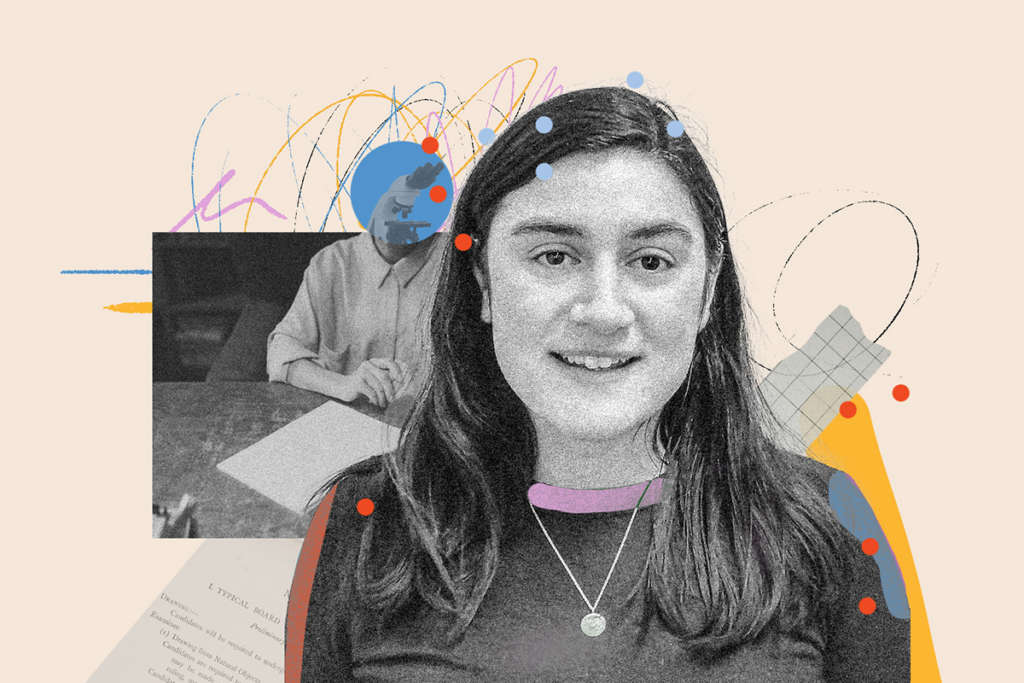
Frameshift: Shari Wiseman reflects on her pivot from science to publishing
As chief editor of Nature Neuroscience, Wiseman applies critical-thinking skills she learned in the lab to manage the journal’s day-to-day operations.
Frameshift: Shari Wiseman reflects on her pivot from science to publishing
As chief editor of Nature Neuroscience, Wiseman applies critical-thinking skills she learned in the lab to manage the journal’s day-to-day operations.
Explore more from The Transmitter
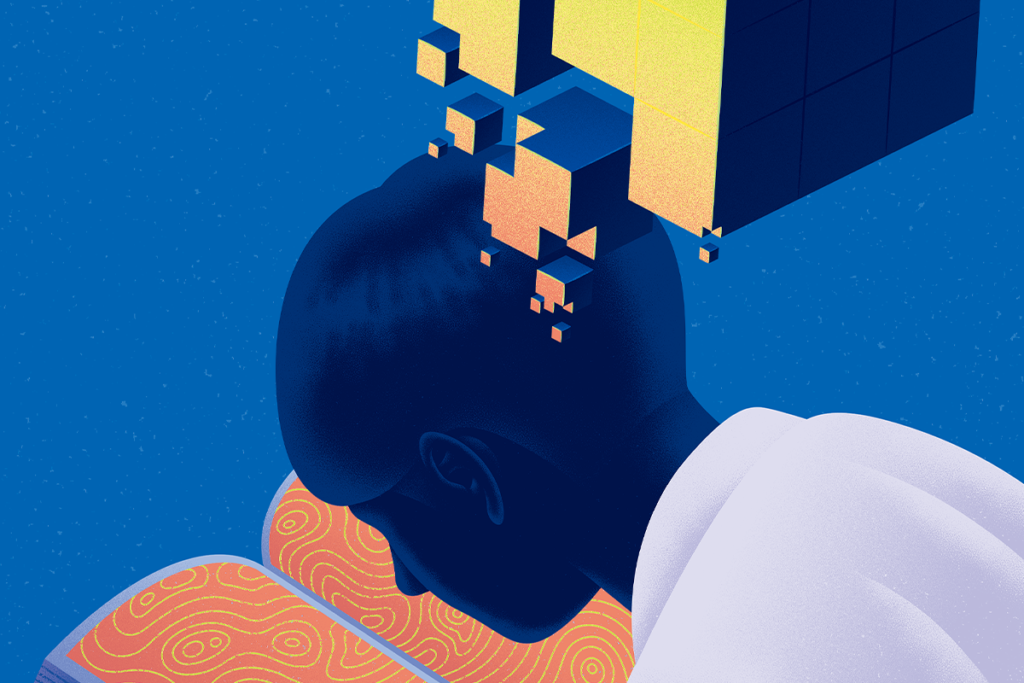
Error equation predicts brain’s ability to generalize
Four statistical measurements of neural network geometry capture how well brains and artificial networks use what they already know to solve new problems, a study suggests.
Error equation predicts brain’s ability to generalize
Four statistical measurements of neural network geometry capture how well brains and artificial networks use what they already know to solve new problems, a study suggests.

Embrace complexity to improve the translatability of basic neuroscience
Researchers must learn to view heterogeneity as an essential feature of the systems they study and a central consideration in experimental design, not a variable to control for or reduce.
Embrace complexity to improve the translatability of basic neuroscience
Researchers must learn to view heterogeneity as an essential feature of the systems they study and a central consideration in experimental design, not a variable to control for or reduce.
Romain Brette reveals fundamental flaws in commonly assumed neuroscience concepts
His new book, “The Brain, In Theory,” offers alternatives to many of the computer science frameworks currently driving theoretical neuroscience.
Romain Brette reveals fundamental flaws in commonly assumed neuroscience concepts
His new book, “The Brain, In Theory,” offers alternatives to many of the computer science frameworks currently driving theoretical neuroscience.