Open science
Recent articles
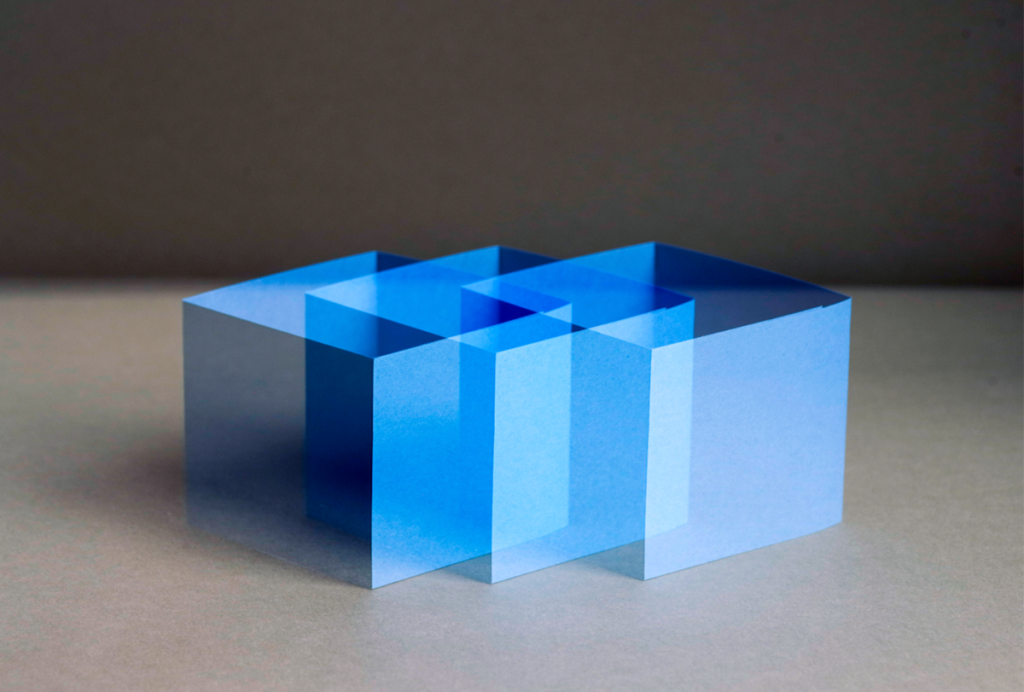
Sounding the alarm on pseudoreplication: Q&A with Constantinos Eleftheriou and Peter Kind
Most studies of neurological disorders in mice erroneously treat multiple samples from a single animal as independent replicates, according to a new analysis. But scientists and journals can take steps to curb this practice.
Sounding the alarm on pseudoreplication: Q&A with Constantinos Eleftheriou and Peter Kind
Most studies of neurological disorders in mice erroneously treat multiple samples from a single animal as independent replicates, according to a new analysis. But scientists and journals can take steps to curb this practice.
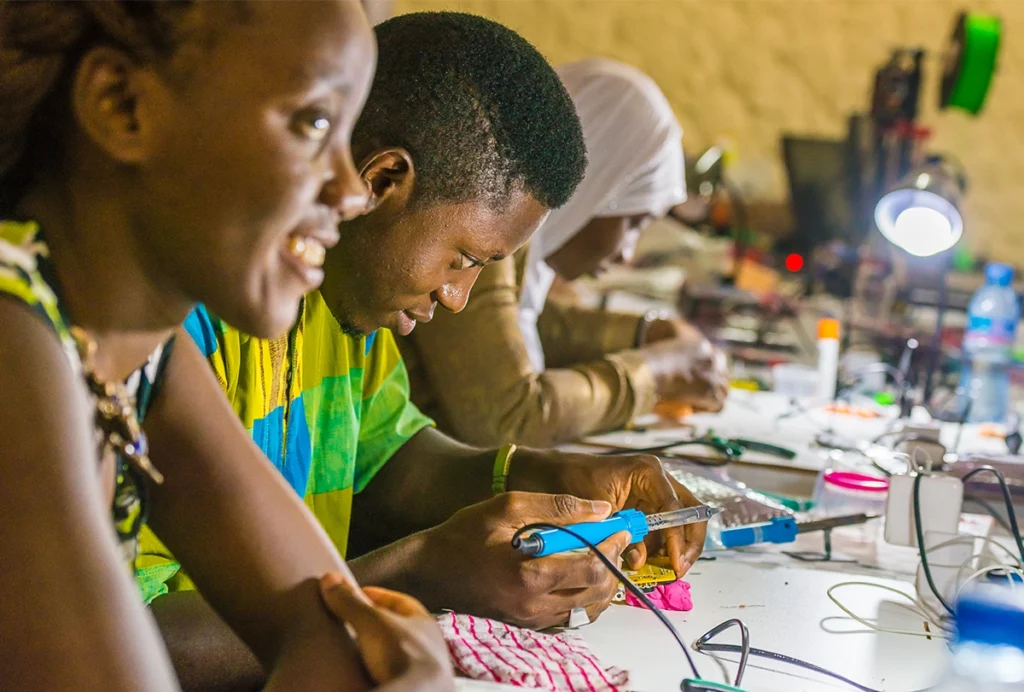
Addressing the lack of infrastructure and training that stymies African neuroscience
A newly launched research center in Nigeria could offer a model for expanding neuroscience across the continent.
Addressing the lack of infrastructure and training that stymies African neuroscience
A newly launched research center in Nigeria could offer a model for expanding neuroscience across the continent.
Explore more from The Transmitter
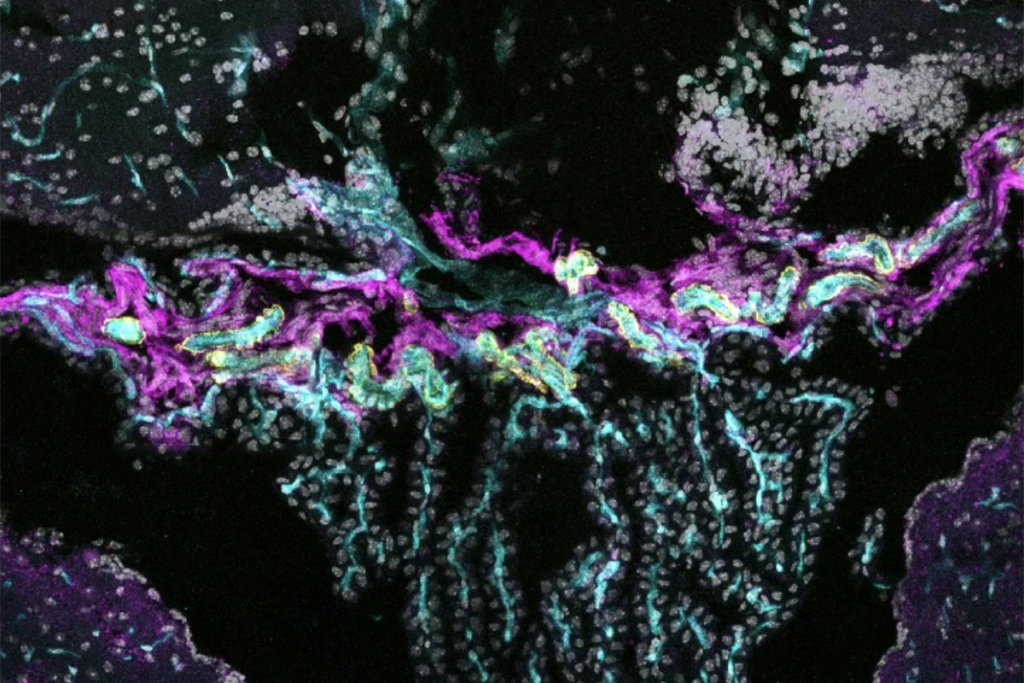
Newly identified barrier cells seal off choroid plexus from CSF, rest of brain
A long-overlooked layer of fibroblasts exists inside the choroid plexus of mice and humans, adding complexity to the area’s compartmentalization.
Newly identified barrier cells seal off choroid plexus from CSF, rest of brain
A long-overlooked layer of fibroblasts exists inside the choroid plexus of mice and humans, adding complexity to the area’s compartmentalization.
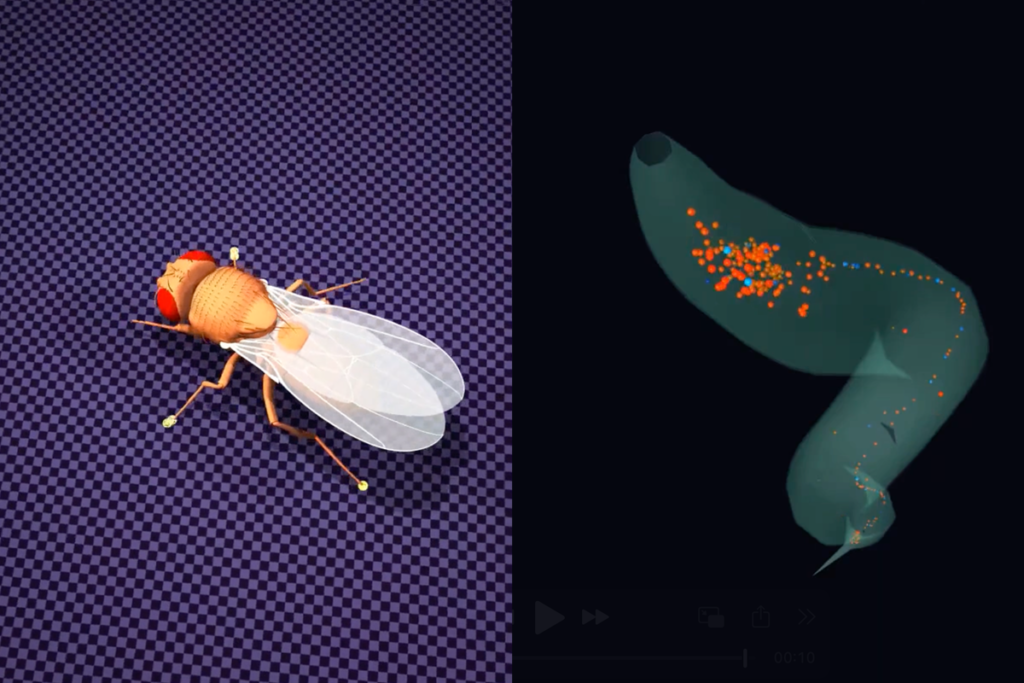
‘Digital sphinx’ raises questions about connectome models
The sphinx, with a worm’s brain and a fly’s body, illustrates the potential pitfalls of using deep-learning techniques to model biological processes.
‘Digital sphinx’ raises questions about connectome models
The sphinx, with a worm’s brain and a fly’s body, illustrates the potential pitfalls of using deep-learning techniques to model biological processes.
Taking a closer look at astrocytes and autism
These glial cells are increasingly linked to neurodevelopmental conditions and the regulation of social behaviors and anxiety.
Taking a closer look at astrocytes and autism
These glial cells are increasingly linked to neurodevelopmental conditions and the regulation of social behaviors and anxiety.