Brain computer interfaces
Recent articles
How will the field’s relationship to industry change over the next decade? Will a larger neurotechnology sector emerge?
Interactions between academic neuroscience and industry will grow, and the neurotech sector will expand, most survey respondents predict. The current funding upheaval in the United States may accelerate this trend as the field searches for new funding models.
How will the field’s relationship to industry change over the next decade? Will a larger neurotechnology sector emerge?
Interactions between academic neuroscience and industry will grow, and the neurotech sector will expand, most survey respondents predict. The current funding upheaval in the United States may accelerate this trend as the field searches for new funding models.
Without monkeys, neuroscience has no future
Research in primate brains has been essential for the development of brain-computer interfaces and artificial neural networks. New funding and policy changes put the future of such advances at risk.
Without monkeys, neuroscience has no future
Research in primate brains has been essential for the development of brain-computer interfaces and artificial neural networks. New funding and policy changes put the future of such advances at risk.
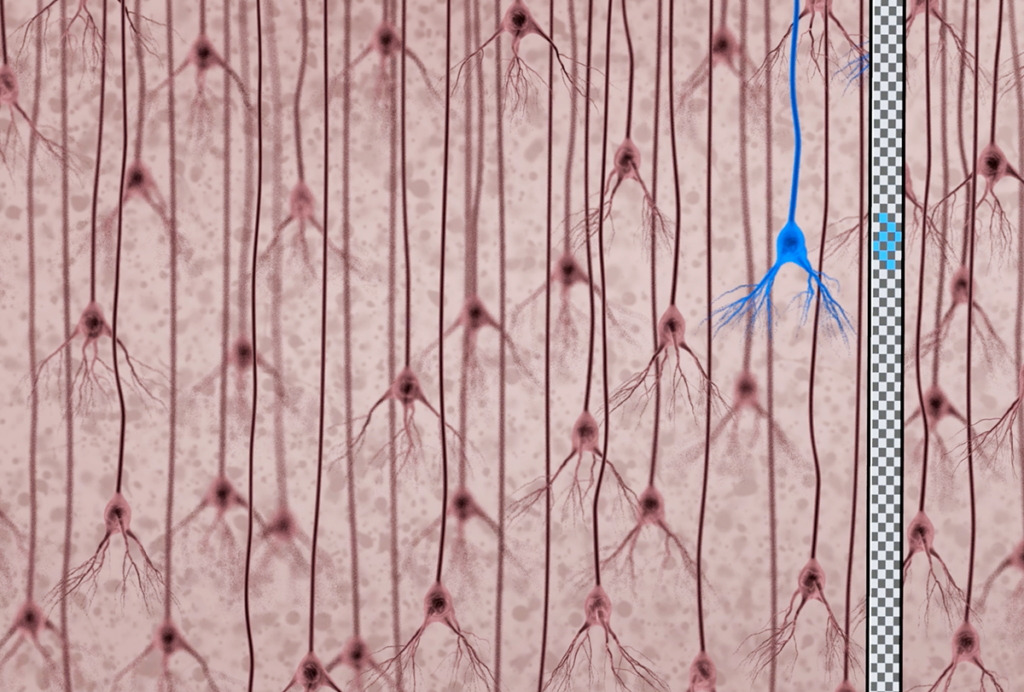
Tracking single neurons in the human brain reveals new insight into language and other human-specific functions
Better technologies to stably monitor cell populations over long periods of time make it possible to study neural coding and dynamics in the human brain.
Tracking single neurons in the human brain reveals new insight into language and other human-specific functions
Better technologies to stably monitor cell populations over long periods of time make it possible to study neural coding and dynamics in the human brain.
Explore more from The Transmitter
Taking a closer look at astrocytes and autism
These glial cells are increasingly linked to neurodevelopmental conditions and the regulation of social behaviors and anxiety.
Taking a closer look at astrocytes and autism
These glial cells are increasingly linked to neurodevelopmental conditions and the regulation of social behaviors and anxiety.
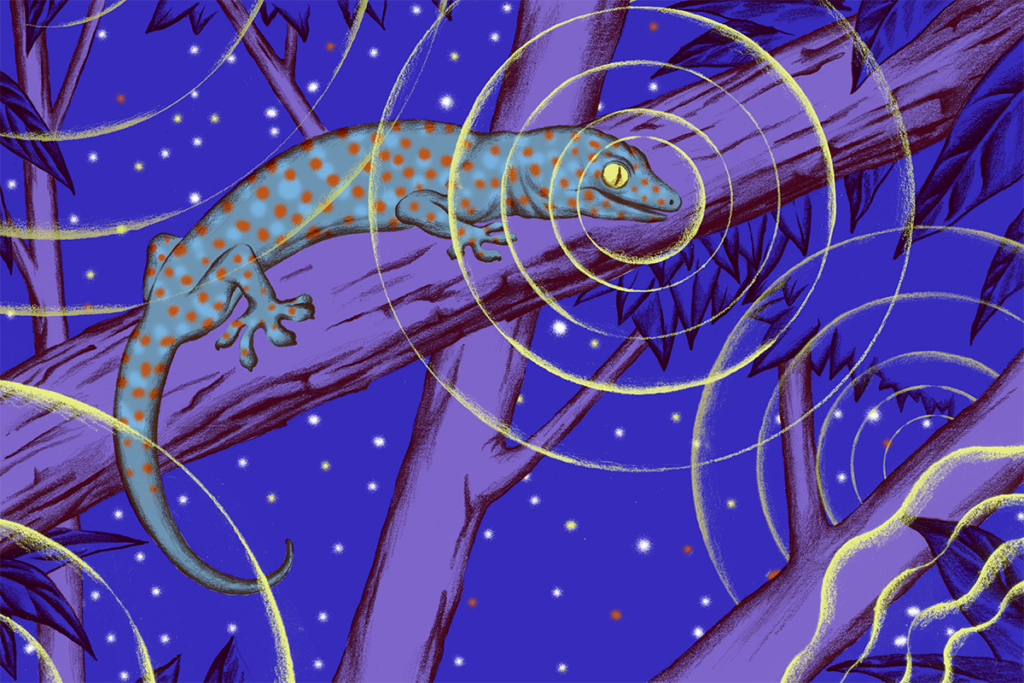
Neuro’s ark: Sounding out the evolution of hearing with geckos
Catherine Carr explains her discovery that geckos retain a vibration-sensing pathway previously thought to be lost when animals moved onto land.
Neuro’s ark: Sounding out the evolution of hearing with geckos
Catherine Carr explains her discovery that geckos retain a vibration-sensing pathway previously thought to be lost when animals moved onto land.
Researchers retract multisensory learning paper after failed replications
Even though one set of experiments did not hold up, the authors stand by the original conclusions of the work and plan to resubmit it as a new paper.
Researchers retract multisensory learning paper after failed replications
Even though one set of experiments did not hold up, the authors stand by the original conclusions of the work and plan to resubmit it as a new paper.