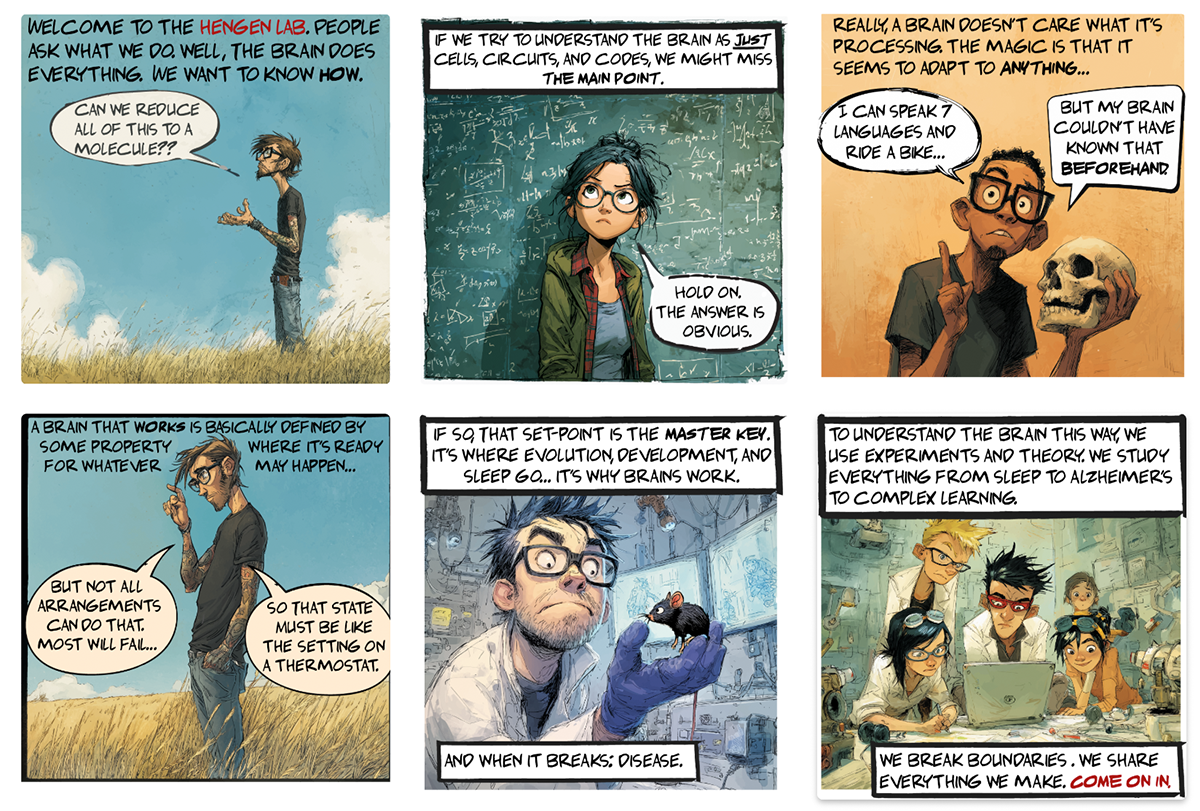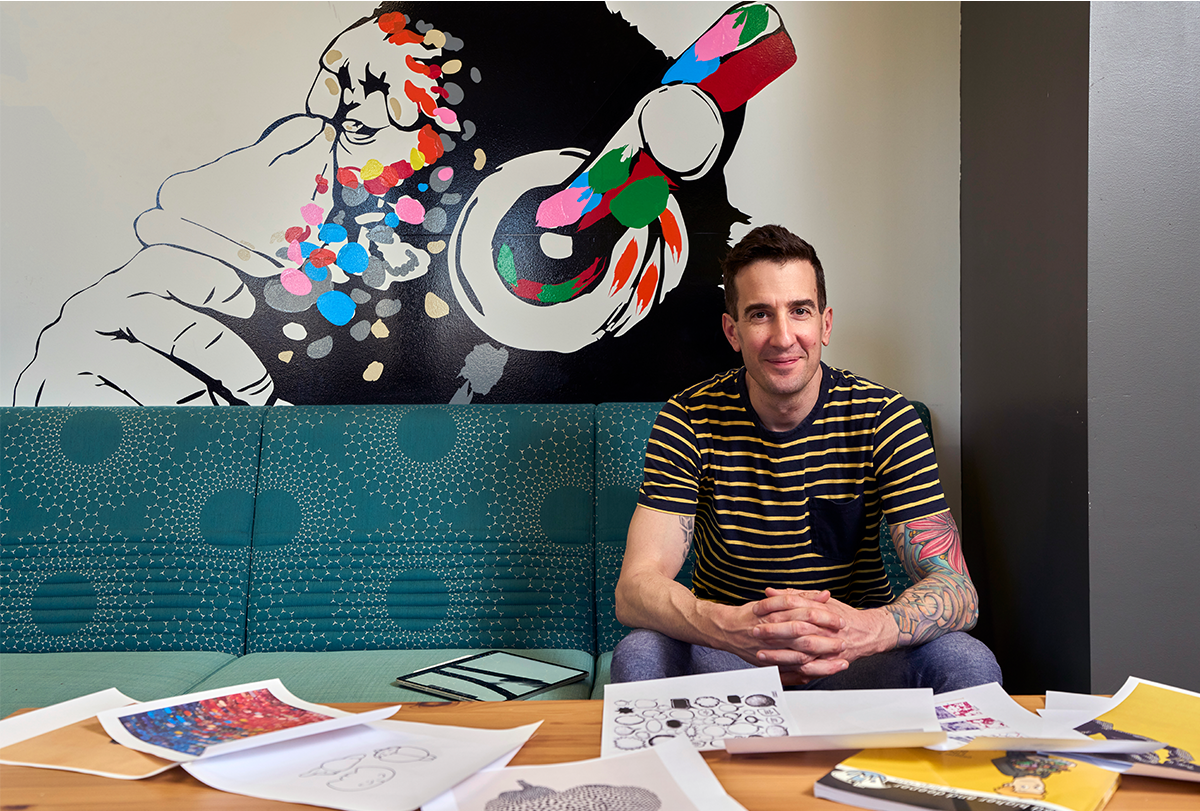
A few years ago, Keith Hengen wanted to find a new way to convey his work. “I increasingly felt that the standard, polished scientific talk was failing me in what I was trying to get across,” recalls Hengen, associate professor of neuroscience at Washington University in St. Louis. “My approach to scientific talks was to kind of get into the weeds and details as fast as possible. And the problem is that only works for people who are already experts in my field, and they can just read my papers.”
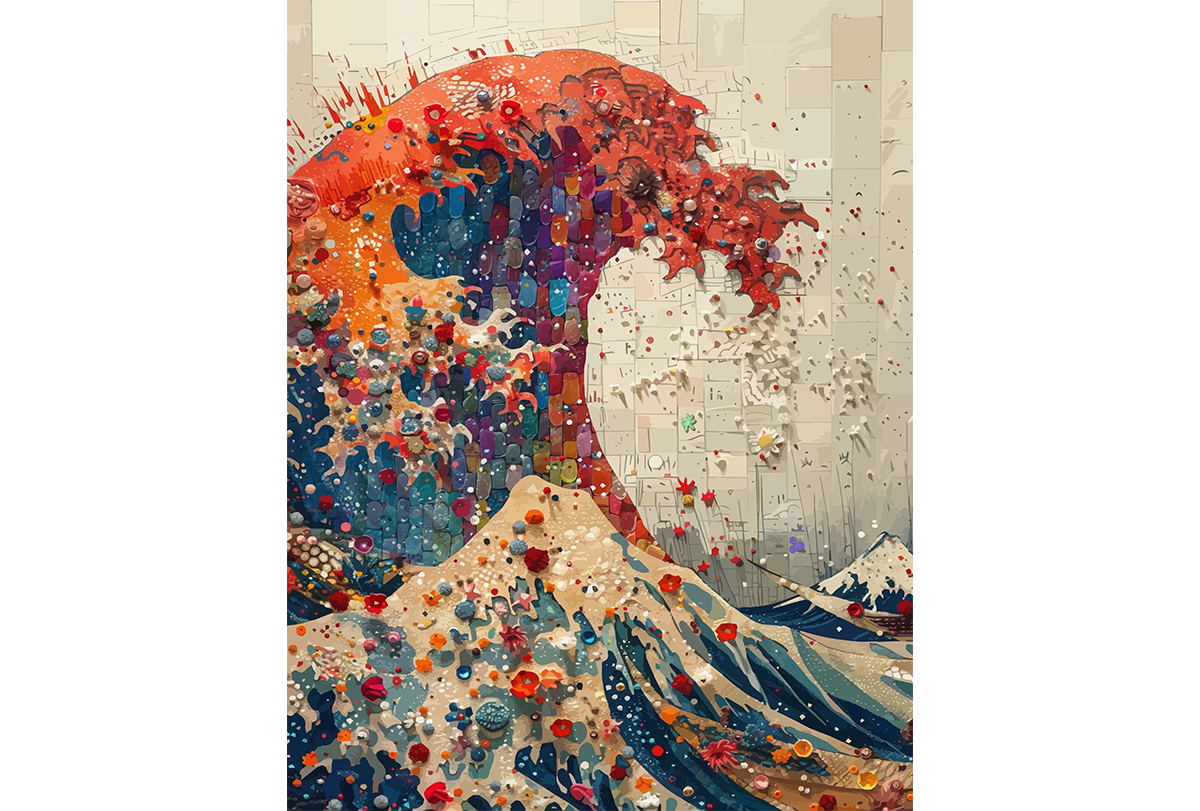
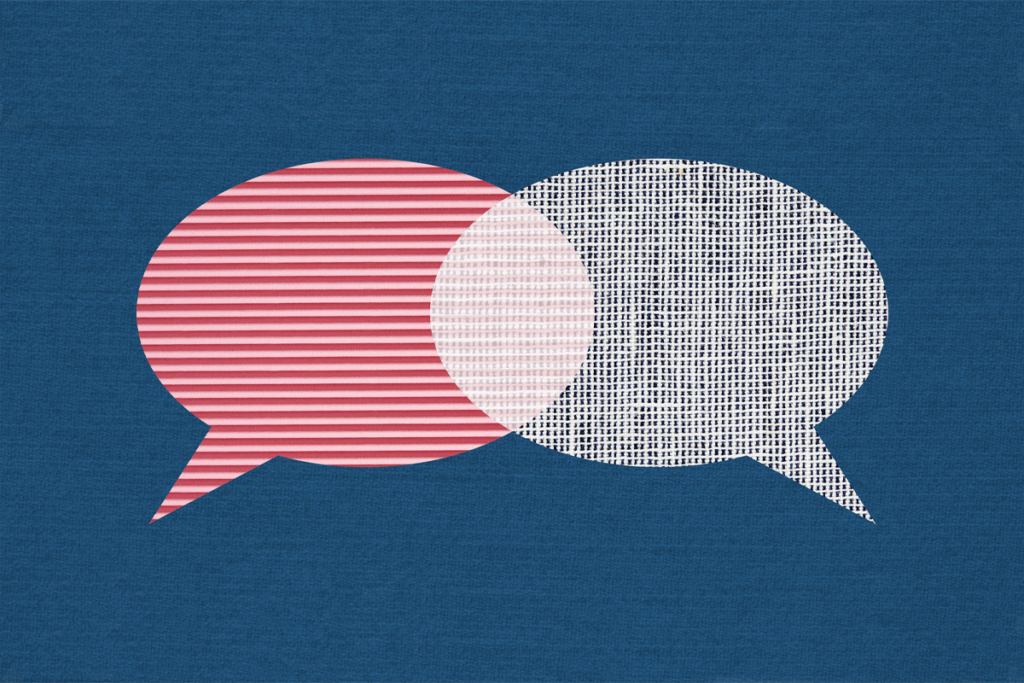
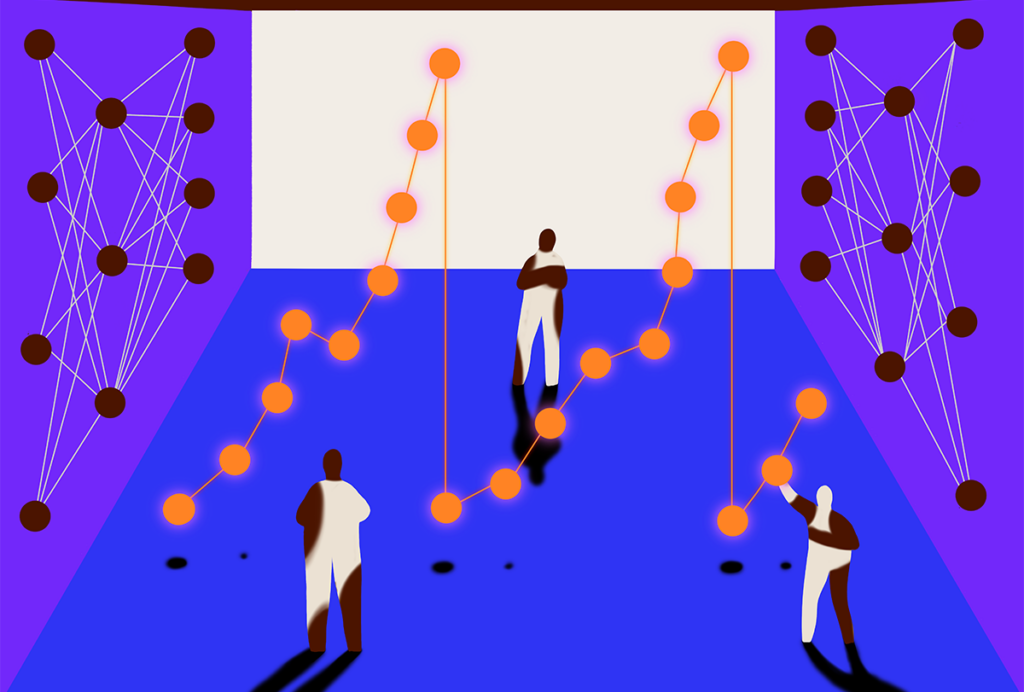
So Hengen, who studies the mathematical principles that govern neuronal networks, began creating images to help him “try to get big-picture ideas across first.” He had always wanted to be an artist but wasn’t confident in his freehand drawing abilities. He realized, however, that he could use computer software such as Adobe Illustrator to make his slideshows more expressive and “have more fun with this,” taking inspiration from tattoo designs and his local art museum, among other sources. He also uses artificial-intelligence tools such as Midjourney to generate final design elements and textures.
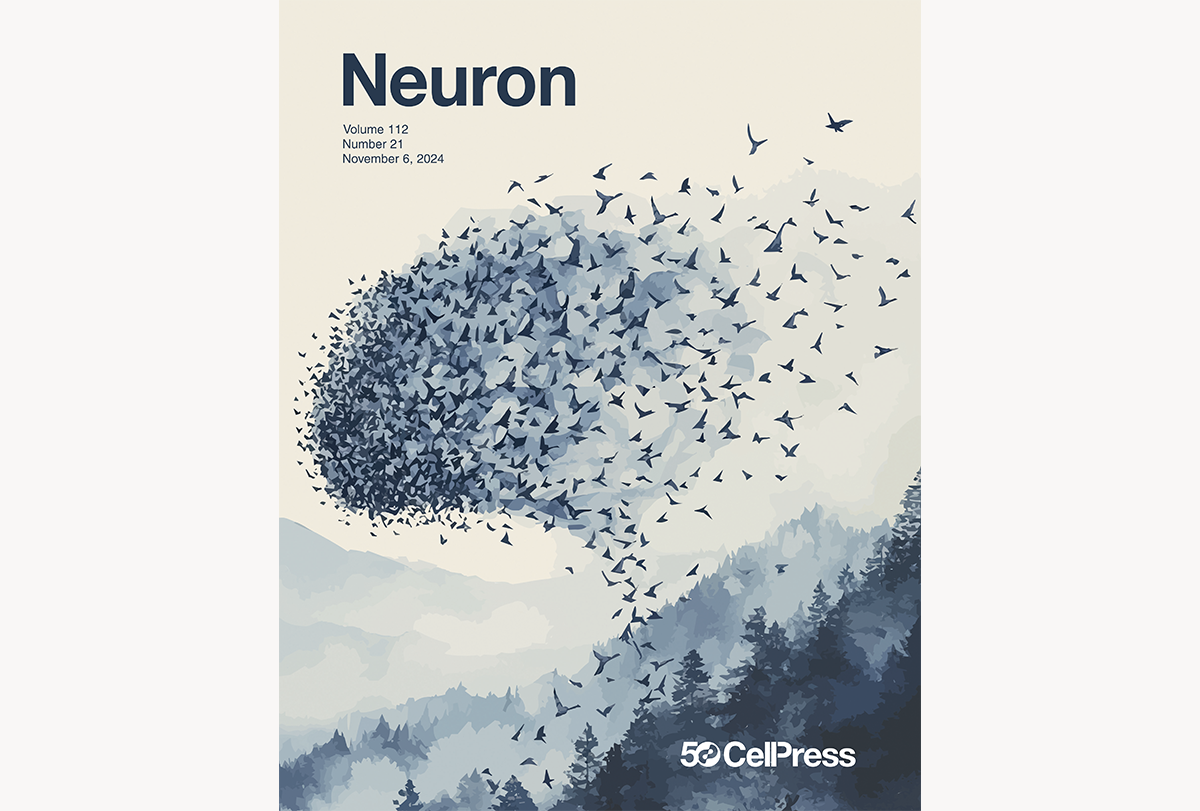
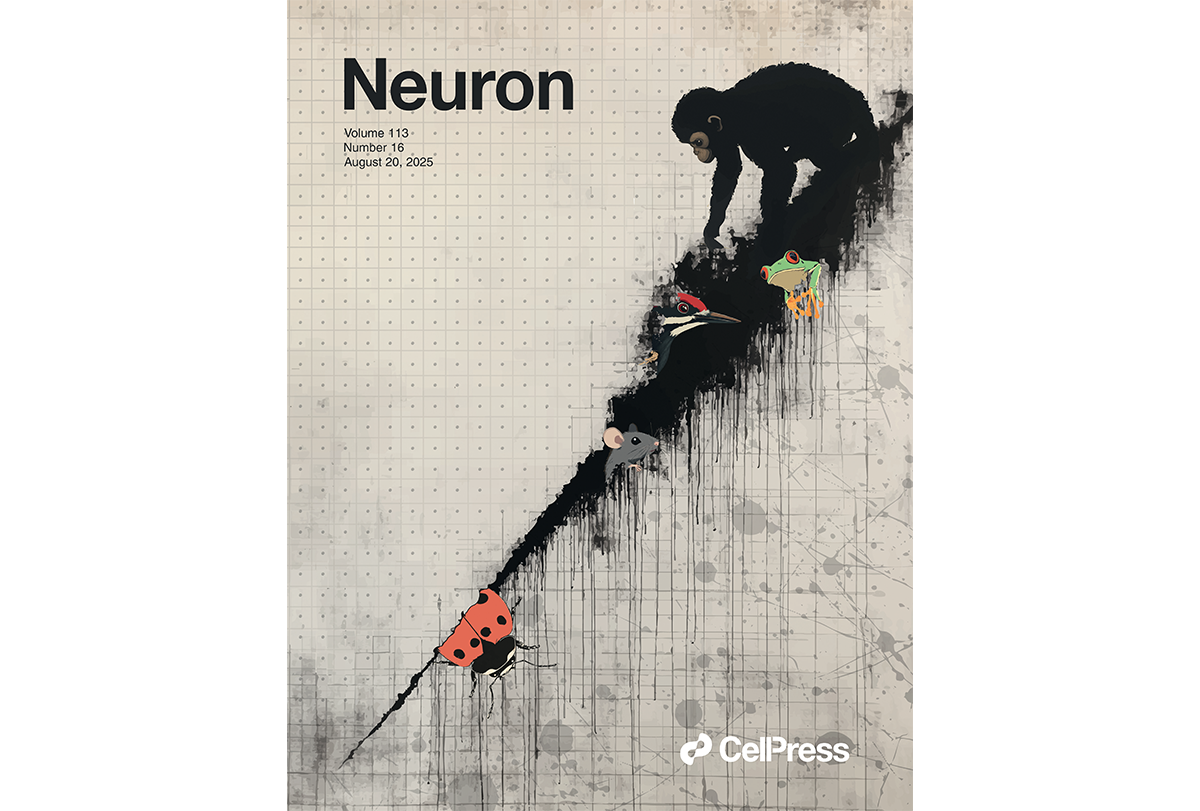
After presenting his artwork for the first time at his tenure talk, “most of the feedback I got was that it was the most accessible talk I’d ever given,” he says. Now he regularly features his illustrations in his presentations and on his lab website. Hengen’s visualizations have also appeared on the cover of Neuron.