Conrad Iyegbe is a postdoctoral research fellow in genetics and genomics sciences at the Icahn School of Medicine at Mount Sinai in New York City.
Conrad Iyegbe
Postdoctoral research fellow
Icahn School of Medicine at Mount Sinai
From this contributor
Africa’s genomic role: Q&A with Conrad Iyegbe and Niran Okewole
Psychiatric genomics promises to shed light on the genetic basis of autism, but it’s vital to include Africa in this research, Iyegbe and Okewole say.
Africa’s genomic role: Q&A with Conrad Iyegbe and Niran Okewole
By
Charles Q. Choi
28 November 2022 | 7 min read
Explore more from The Transmitter
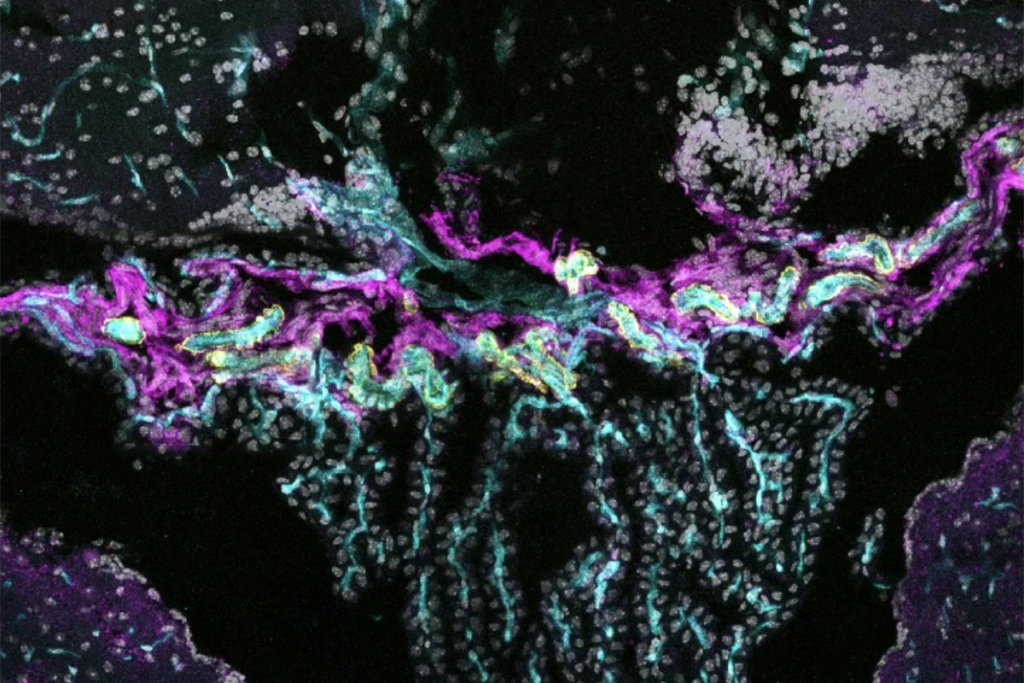
Newly identified barrier cells seal off choroid plexus from CSF, rest of brain
A long-overlooked layer of fibroblasts exists inside the choroid plexus of mice and humans, adding complexity to the area’s compartmentalization.
Newly identified barrier cells seal off choroid plexus from CSF, rest of brain
A long-overlooked layer of fibroblasts exists inside the choroid plexus of mice and humans, adding complexity to the area’s compartmentalization.
By
Claudia López Lloreda
3 April 2026 | 4 min read
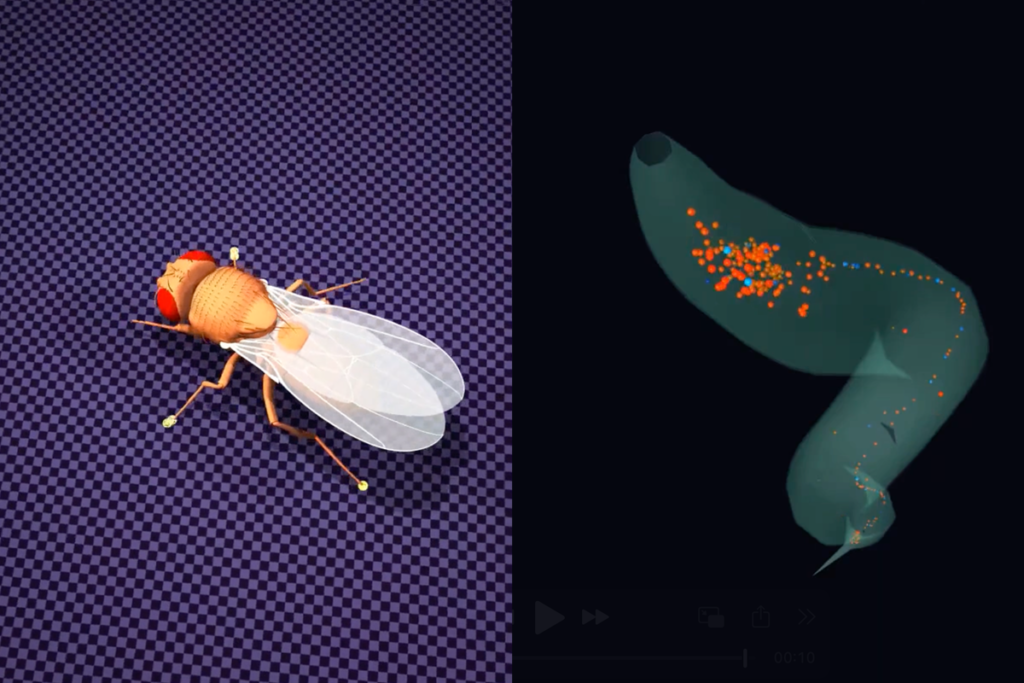
‘Digital sphinx’ raises questions about connectome models
The sphinx, with a worm’s brain and a fly’s body, illustrates the potential pitfalls of using deep-learning techniques to model biological processes.
‘Digital sphinx’ raises questions about connectome models
The sphinx, with a worm’s brain and a fly’s body, illustrates the potential pitfalls of using deep-learning techniques to model biological processes.
By
Natalia Mesa
2 April 2026 | 5 min read
Taking a closer look at astrocytes and autism
These glial cells are increasingly linked to neurodevelopmental conditions and the regulation of social behaviors and anxiety.
Taking a closer look at astrocytes and autism
These glial cells are increasingly linked to neurodevelopmental conditions and the regulation of social behaviors and anxiety.
By
The Transmitter
2 April 2026 | 2 min read