David Mandell is professor of psychiatry at the University of Pennsylvania and director of the Center for Mental Health Policy and Services.
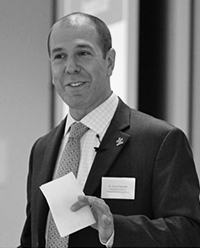
David Mandell
Professor
University of Pennsylvania
From this contributor
How to support Black scientists and clinicians in autism research
To address racial disparities in autism diagnosis and outcomes, we need more Black autism researchers and clinicians. Here are some tips to help recruit and train them.
How to support Black scientists and clinicians in autism research
By
Desiree Jones, David Mandell
3 November 2020 | 5 min read
Community delivery of autism therapies lags far behind evidence
Most community clinicians do not deliver care that is in line with the latest evidence — and they are not improving over time.
Community delivery of autism therapies lags far behind evidence
By
David Mandell
23 July 2019 | 5 min read
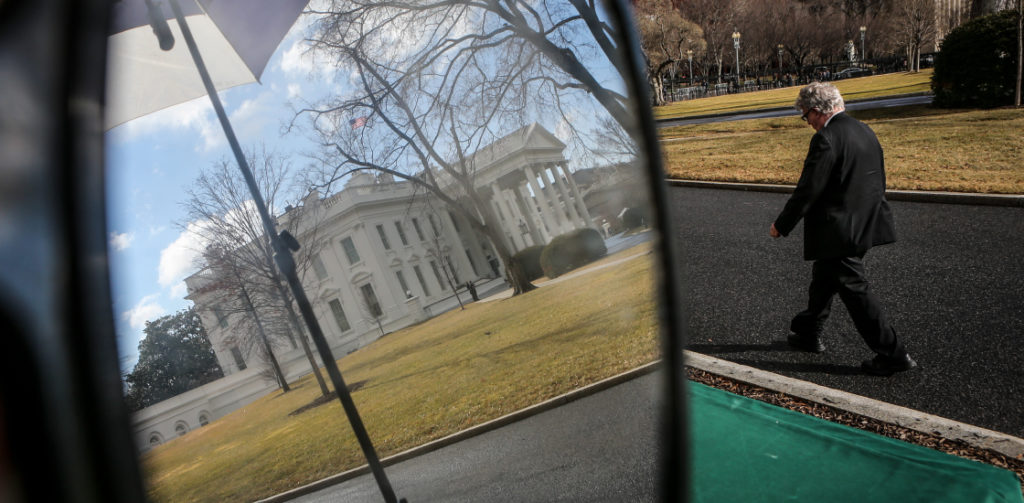
Why U.S. science may seriously suffer from a government shutdown
Even a brief shutdown of the government can dramatically affect the process of conducting science and the support for young scientists.
Why U.S. science may seriously suffer from a government shutdown
By
David Mandell
30 January 2018 | 1 min read
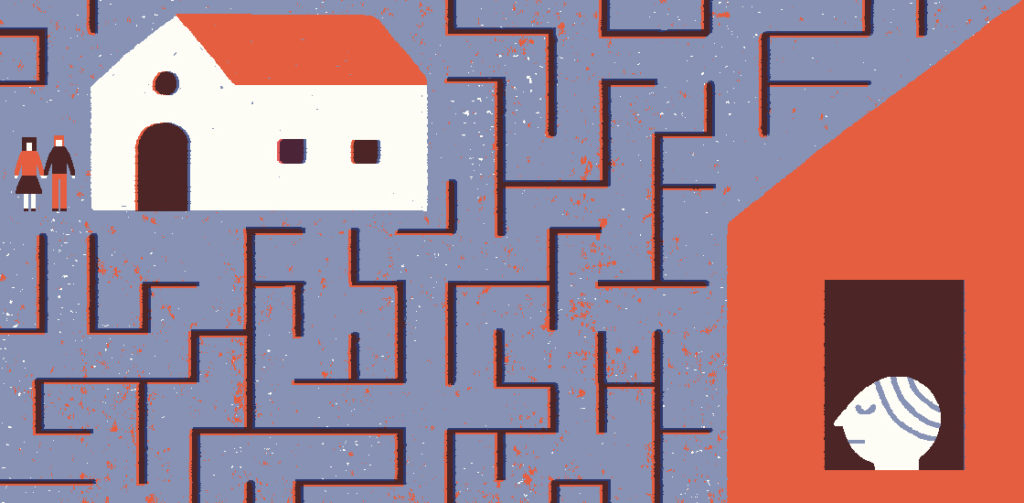
Why too many children with autism end up in foster care
The foster care system is becoming a critical component of care for children with autism.
Why too many children with autism end up in foster care
By
David Mandell
9 January 2018 | 5 min read
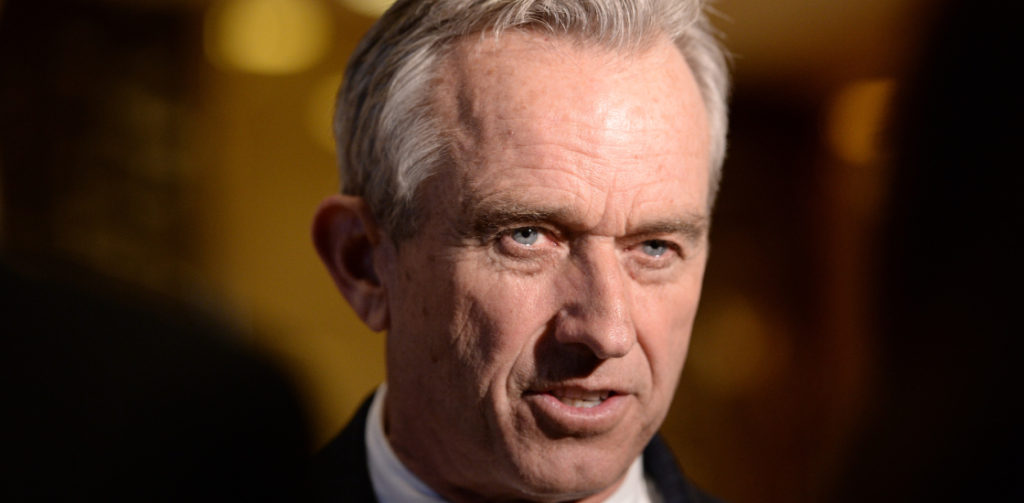
Smoke, mirrors and Robert Kennedy Jr.’s vaccine safety panel
Don’t let Robert F. Kennedy Jr.’s appointment distract us from fighting the policy changes that could have dire consequences for people with autism.
Smoke, mirrors and Robert Kennedy Jr.’s vaccine safety panel
By
David Mandell
12 January 2017 | 5 min read
Explore more from The Transmitter
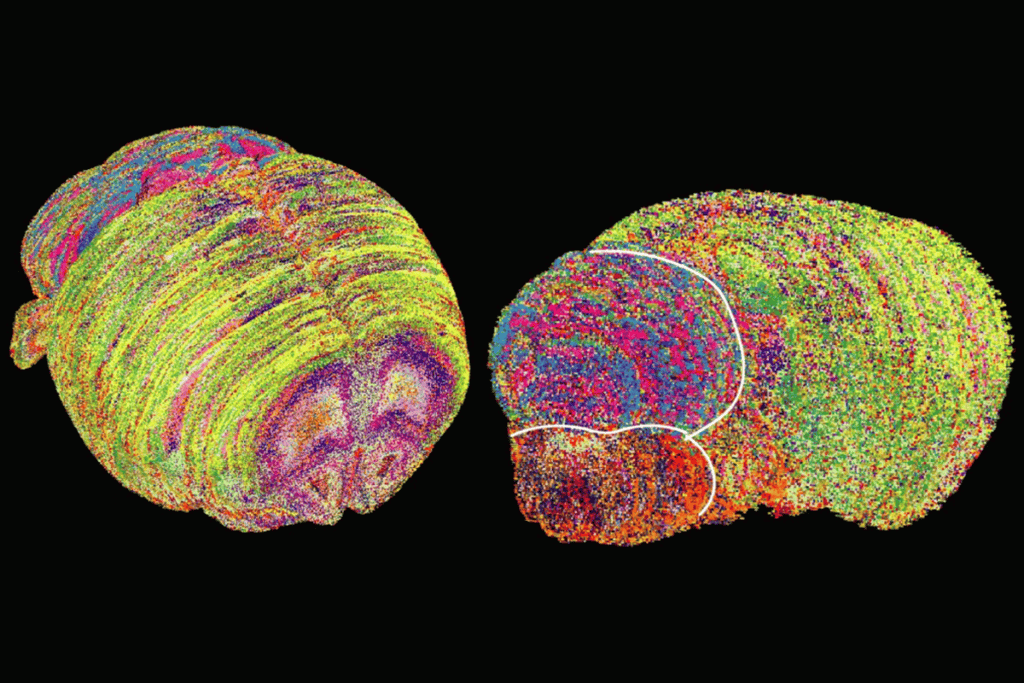
Lipids enter brain mapping limelight
Two new studies, including the first whole-brain lipid atlas in mice, uncover unforeseen complexity and influence during pregnancy and aging.
Lipids enter brain mapping limelight
Two new studies, including the first whole-brain lipid atlas in mice, uncover unforeseen complexity and influence during pregnancy and aging.
By
Lauren Schenkman
27 October 2026 | 6 min read
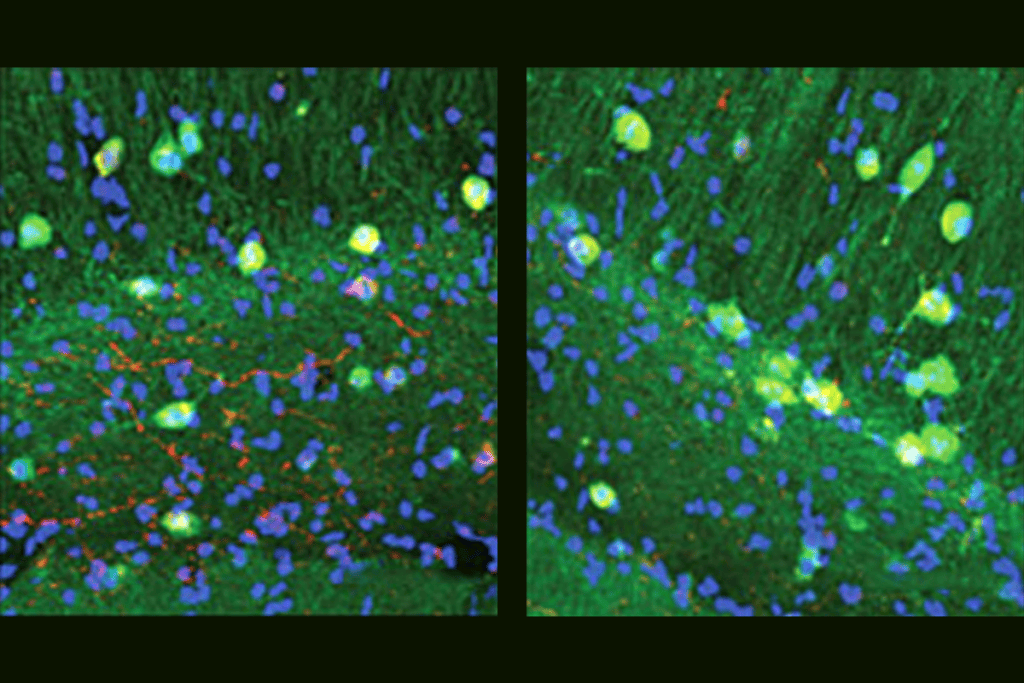
Behavioral phenomics in zebrafish; and more
Here is a roundup of autism-related news and research spotted around the web for the week of 26 October.
Behavioral phenomics in zebrafish; and more
Here is a roundup of autism-related news and research spotted around the web for the week of 26 October.
By
Jill Adams
27 October 2026 | 2 min read
Neuroscience gave AI its start. What happens now?
David Sussillo maps the two fields' divergent paths, and where they might still meet.
Neuroscience gave AI its start. What happens now?
David Sussillo maps the two fields' divergent paths, and where they might still meet.
By
Emily Singer
27 October 2026 | 10 min read