David Sassoon is the founder and publisher of InsideClimate News, the nonpartisan and nonprofit news organization that won the Pulitzer Prize for National Reporting in 2013. He has been a writer, editor and publisher for 25 years, involved with public interest issues, including human rights, cultural preservation, healthcare, education and the environment. In 2003, he began researching the business case for climate action for the Rockefeller Brothers Fund. As an outgrowth of his research, Sassoon founded a blog in 2007 that has grown and evolved into InsideClimate News. He earned his undergraduate degree from Harvard University and a master’s degree from Columbia University’s Graduate School of Journalism. He is the author of “Tiny Specks in a Hurry: The Story of a Journey to Mustang.”
David Sassoon
Publisher
InsideClimate News
Explore more from The Transmitter
Commentary: Citation graphs may underestimate neuroscience’s influence on AI
An alternative, albeit less quantitative, way to trace this history is through the people who carried ideas between the fields.
Commentary: Citation graphs may underestimate neuroscience’s influence on AI
An alternative, albeit less quantitative, way to trace this history is through the people who carried ideas between the fields.
Commentary: The rising absolute number of neuro-inspired AI papers represents a substantial footprint
Many of the design choices present in the current generation of artificial-intelligence tools parallel purported properties of the brain.
Commentary: The rising absolute number of neuro-inspired AI papers represents a substantial footprint
Many of the design choices present in the current generation of artificial-intelligence tools parallel purported properties of the brain.
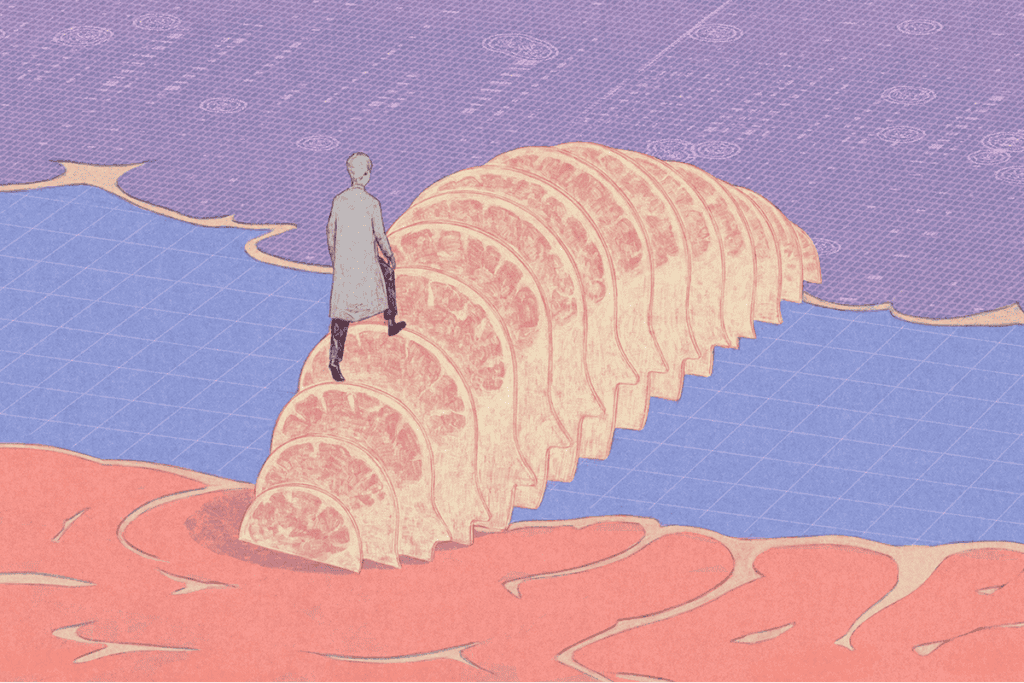
Examining the bridge between neuroscience and AI
A citation analysis reveals that the connection between the two fields is real and gaining momentum. But it’s also narrow and tool-heavy; we need to find ways to widen it.
Examining the bridge between neuroscience and AI
A citation analysis reveals that the connection between the two fields is real and gaining momentum. But it’s also narrow and tool-heavy; we need to find ways to widen it.